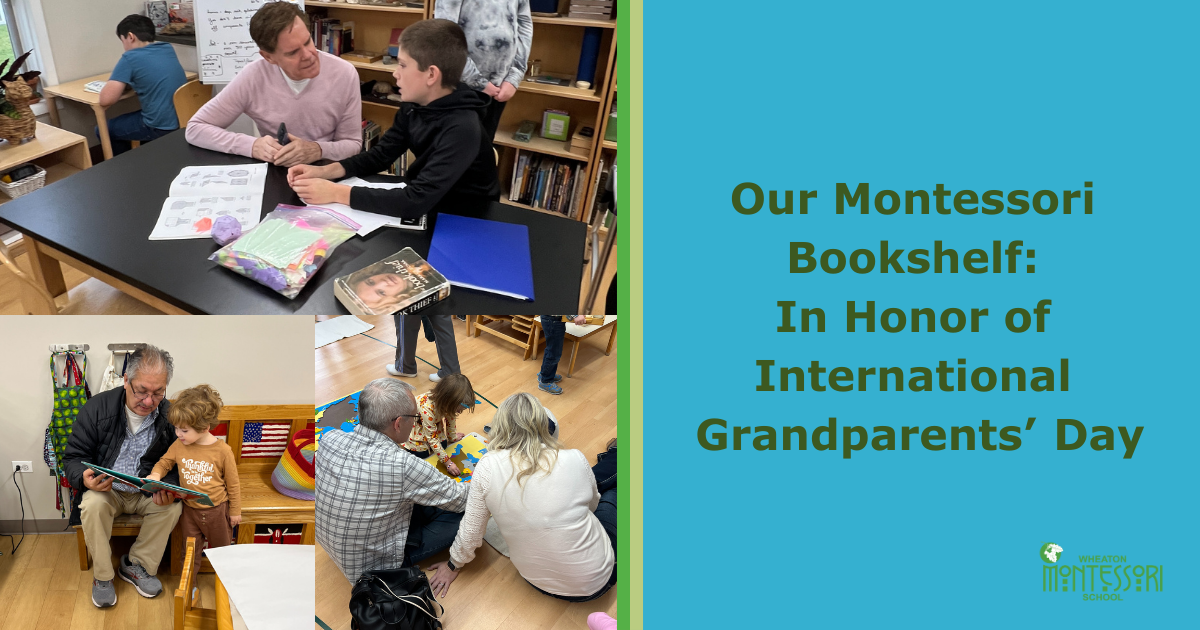
Grandparents and/or chosen grandfriends are such valuable parts of our children’s lives. In honor of Grandparents’ Day (September 8) and the desire to use the whole month to do “grand” things, we’re sharing our favorite picture books that highlight the connection between grandparents and their grandchildren.
At Wheaton Montessori School, we host a yearly Grandparents’ Day event to honor Grandparents and Invited Special Grandfriends of our current families. This year, our Grandparents' Day is scheduled for November 26th at our school. Mark your calendars for this very special event.
We hope your families can read books, spend time together and reflect upon what they value about grandparents. Grandparents, grandfriends, and grandchildren can keep creating their own stories together too!
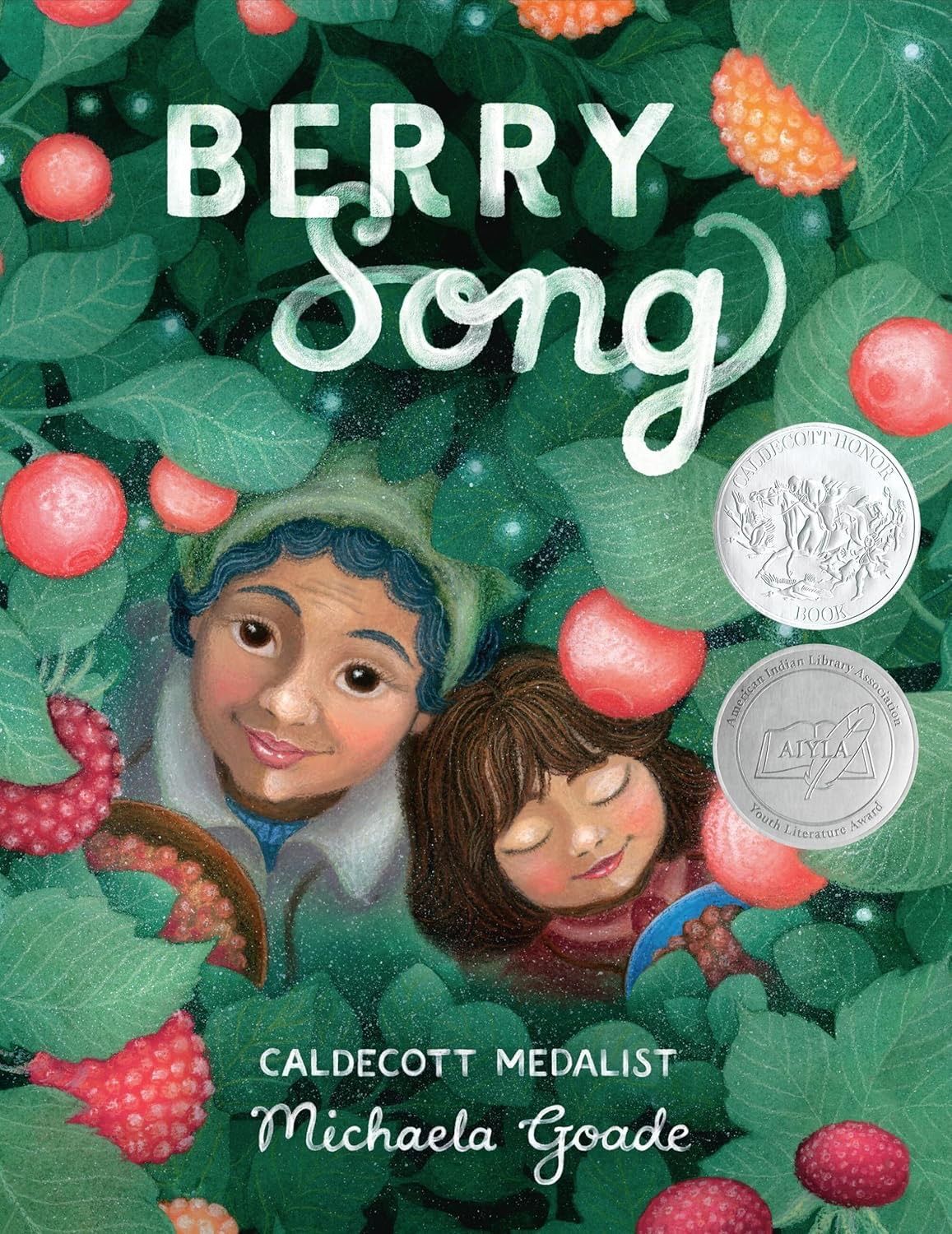
by Michaela Goade
With mystical illustrations that are also grounded in botanical bounty, this book shares the joy of a child’s connection with her grandmother and weaves it together with the power of sharing traditional ways of honoring the land and its gifts. After responsibly harvesting food together, the child and her grandmother cook, feast, and share. The seasons change, and the story continues as the girl takes her little sister’s hand to begin the process again. The extensive author’s notes are also incredibly powerful and worth savoring.
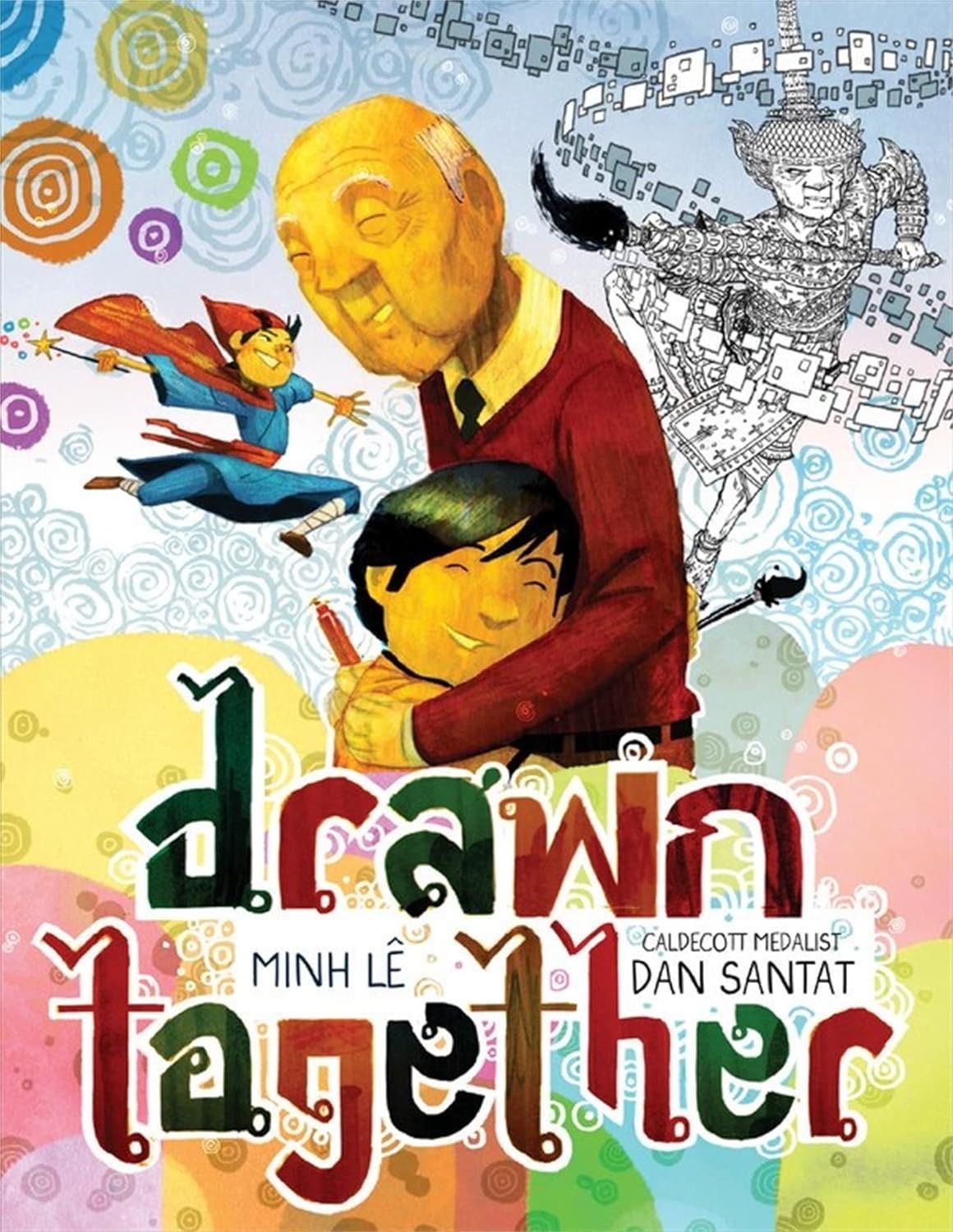
by Minh Lê, Illustrated by Dan Santat
“Sometimes you don’t need words to find common ground.” This book perfectly illustrates this tagline. The story even starts without words, just images in graphic novel style displaying the boy getting dropped off at his grandfather’s house. We see all the ways they don’t connect and yet when the boy decides to pull out paper and draw, the grandfather gets his sketchbook. A whole new world opens up between them, and the narrator begins to use words to share the experiences of grandfather and grandson. The illustrations both show contrasting generational and cultural experiences and how a shared love for drawing can bridge a divide.
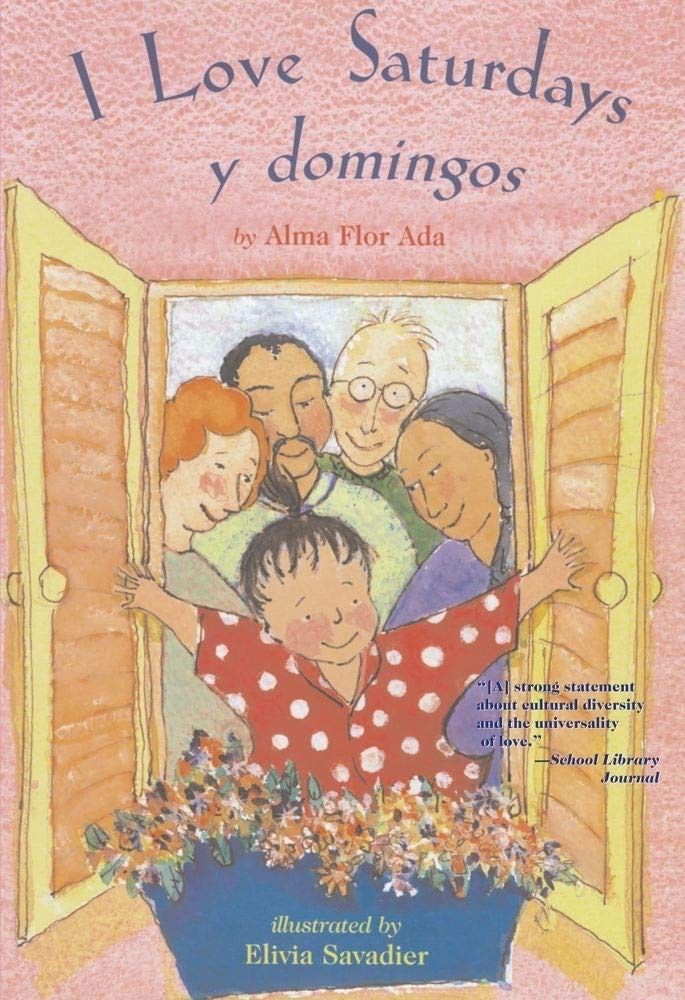
by Alma Flor Ada, Illustrated by Elivia Savadier
Two sets of grandparents offer two very different sets of cultural experiences, which are lovingly depicted in this story of how a young girl appreciates her Saturdays and Sundays. With Spanish carefully woven throughout the storyline, especially to show the contrast between Saturdays y Domingos (and Sundays), we encounter the joy and delight of different traditions and daily routines. By the end of the book, the two sides of the family come together for the girls’ birthday and demonstrate the significance of togetherness.
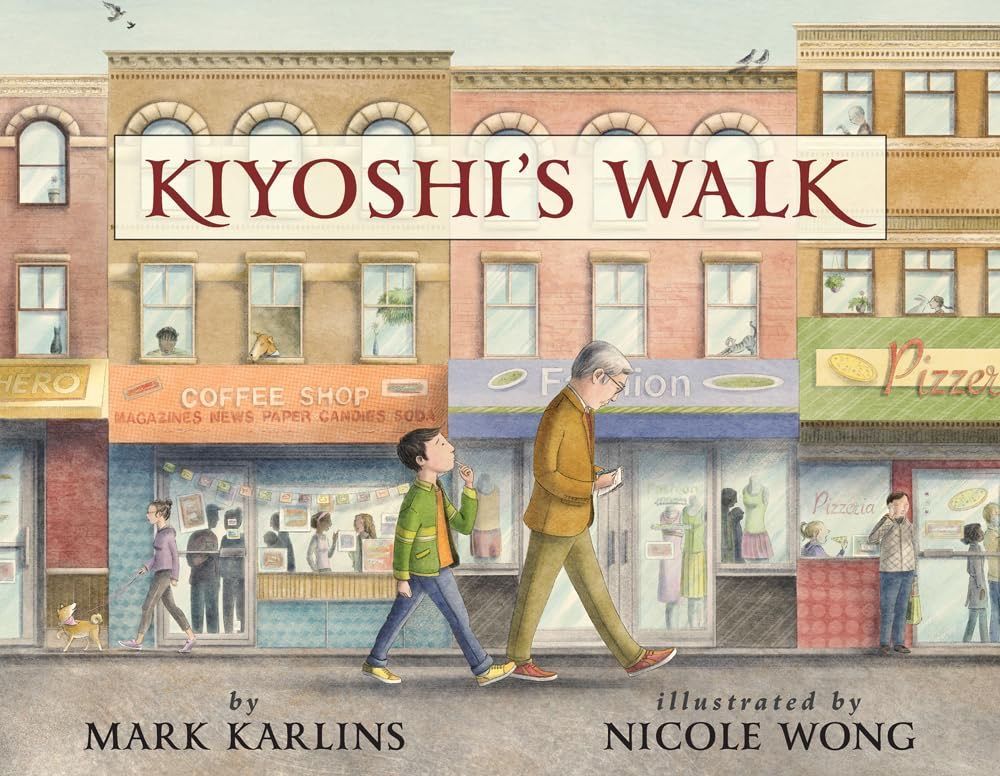
by Mark Karlins, Illustrated by Nicole Wong
In addition to being a lovely portrayal of how a wise, quiet grandfather helps his grandson discover his own answers, this book is an excellent introduction to haiku. The story begins with Kiyoshi watching his poet grandfather compose a haiku and wondering aloud where poems come from. His question leads grandfather and grandson on a neighborhood exploration full of wonder, connection, new poems, new questions, and ultimately profound insights.
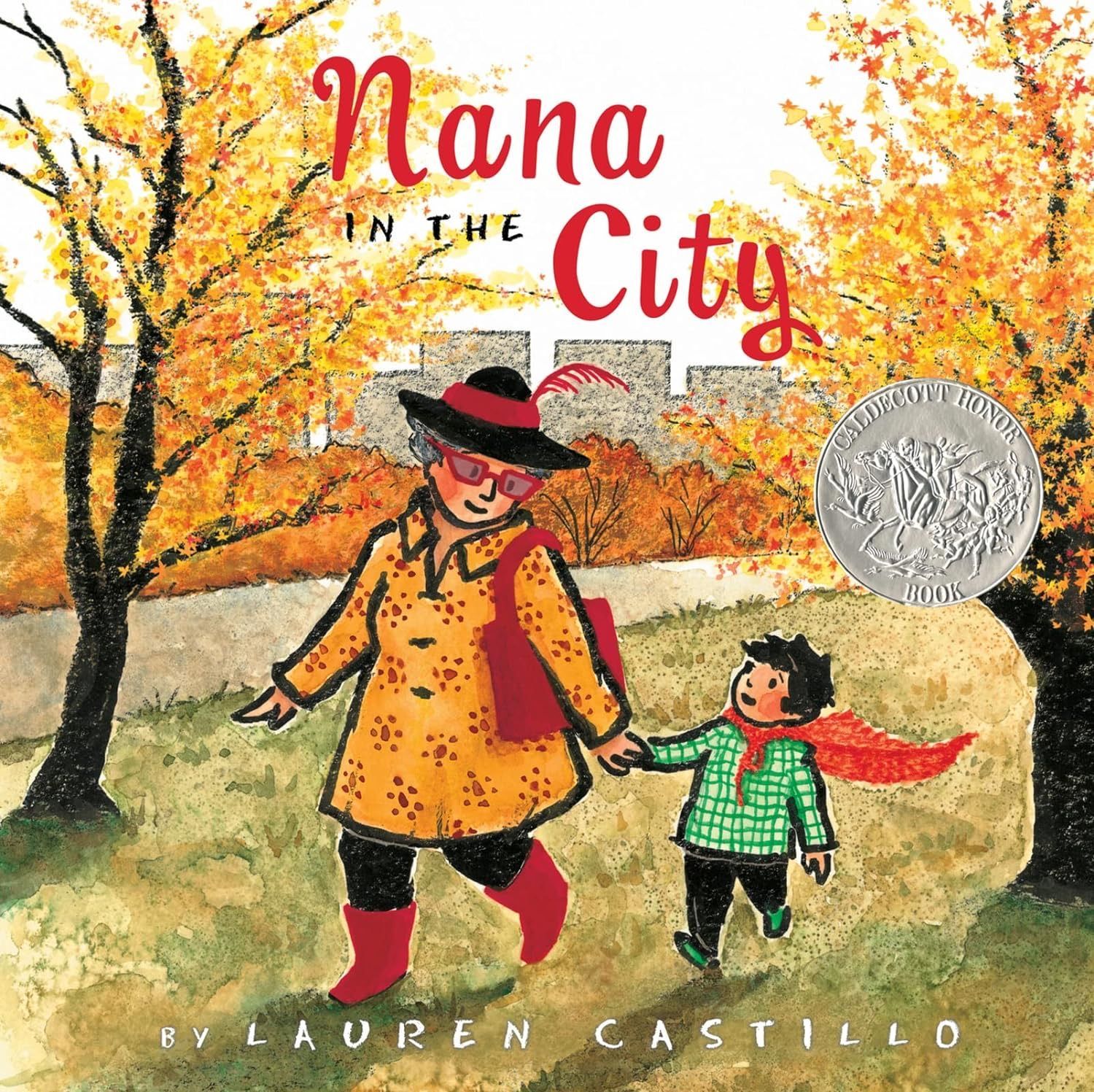
by Lauren Castillo
A Caldecott Honor book, the story begins with a young boy coming to visit his Nana in the city. He finds the place too loud, busy, and scary, so his Nana promises to show him how wonderful the city can be. While he sleeps, she knits him a red cape for him to wear and feel brave during their excursion throughout the city. With a newfound perspective, he is able to see the extraordinary and why his Nana wants to be there (and how he can look forward to visiting again!).
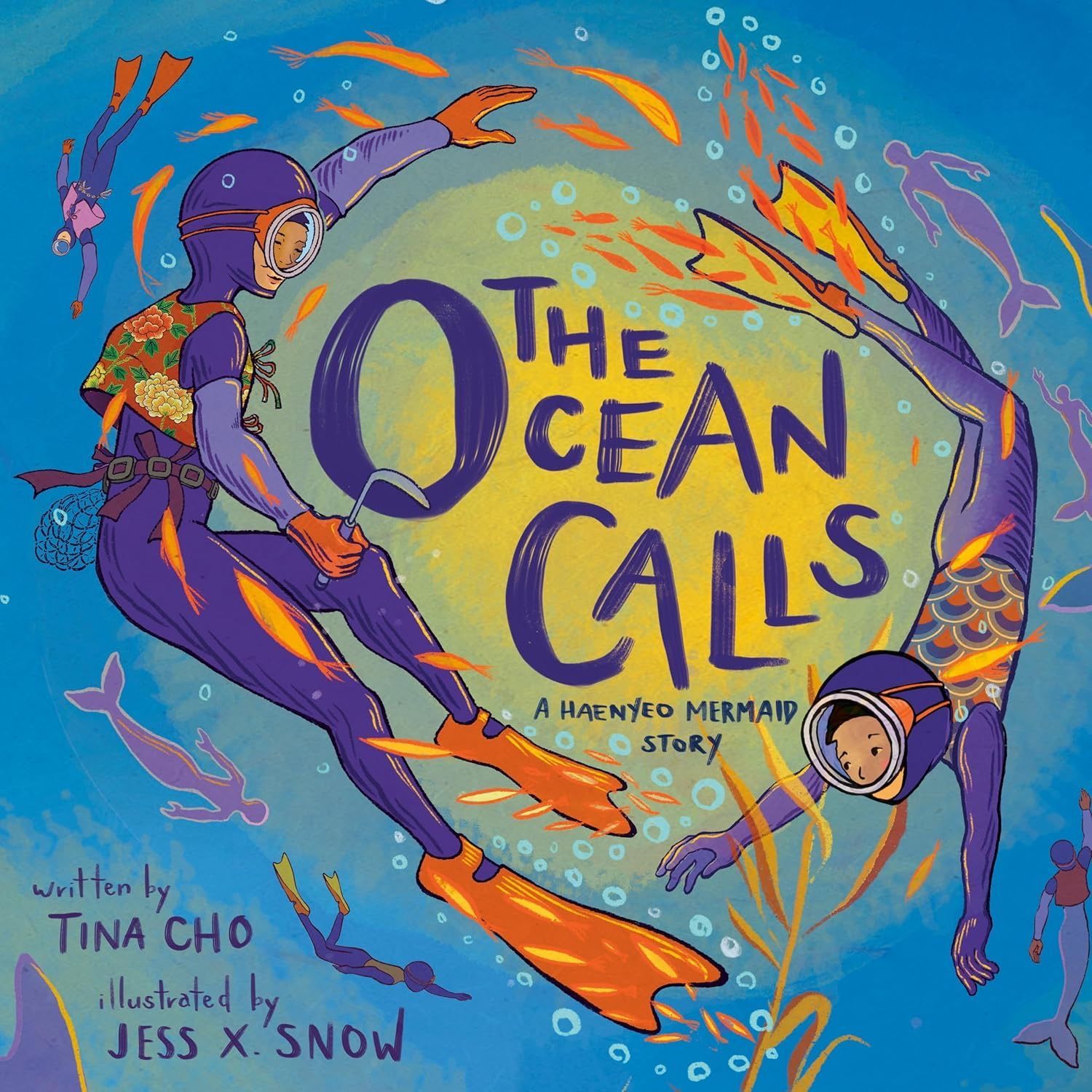
The Ocean Calls: A Haenyeo Mermaid Story
by Tina M. Cho, Illustrated by Jess X. Snow
With a stunning use of color, The Ocean Calls reminds us of the power of patience and how traditions are passed from one generation to the next. Dayeon longs to be a treasure-hunting mermaid like her grandma, yet also holds deep fear from a previous experience in the ocean. Her “what if” questions are calmed by her grandmother’s calm presence and reminder about haenyeo tradition. Although subtle, the book also visually shares the power of a community of women serving as support.
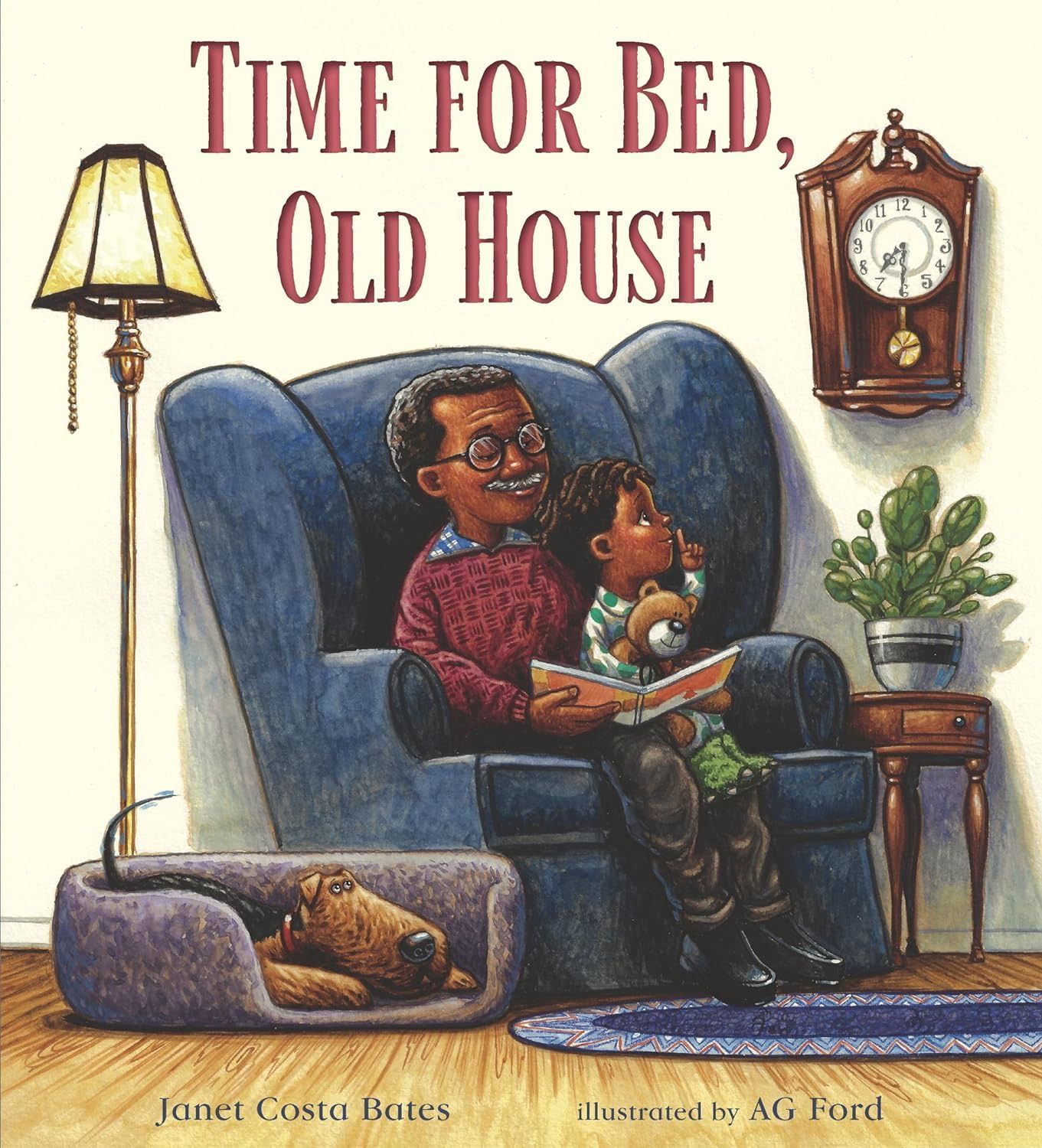
by Janet Costa Bates, Illustrated by AG Ford
It can be a treat to sleepover at a grandparent’s house, but it can also be scary, too. So Isaac’s grandfather takes a different approach, leading Isaac on a tour through the house to “put it to bed.” They move slowly and quietly. They dim the lights. They draw the blinds. And they check on all the sounds. The cozy illustrations make you feel right at home, and some include a perspective that makes it feel like you are in the room, too. The best part is how the story shows the arc of how Isaac takes ownership of the process and as a result, feels safe and secure.
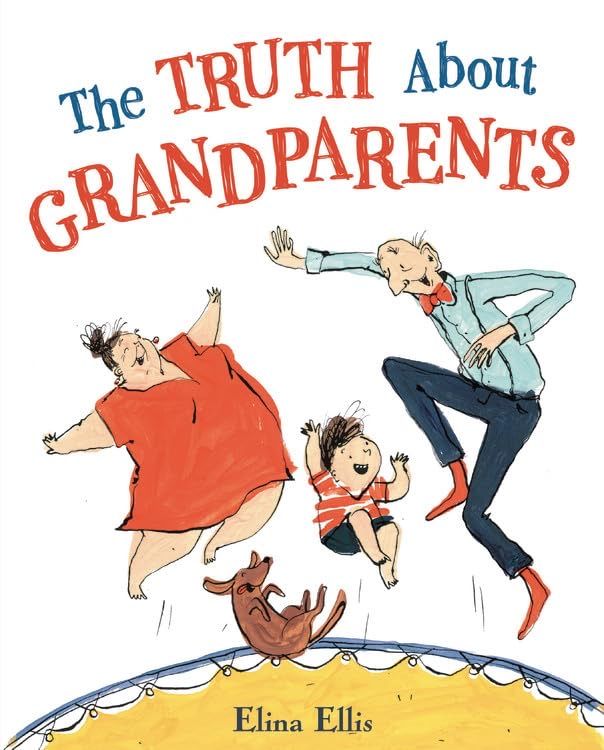
by Elina Ellis
If you and your children are in the mood for a fun-loving frolic, this book is just what you need! The child narrator introduces their “really old” grandparents (plus their “wrinkly faces” and “funny teeth”). While the words on the page state one thing that the narrator has heard about old people, the illustrations show the child’s experience sharing adventures and all sorts of fun with their grandparents. Full of zest and joy, this book can’t help but bring out smiles (and maybe even ideas of fun things to do together!).
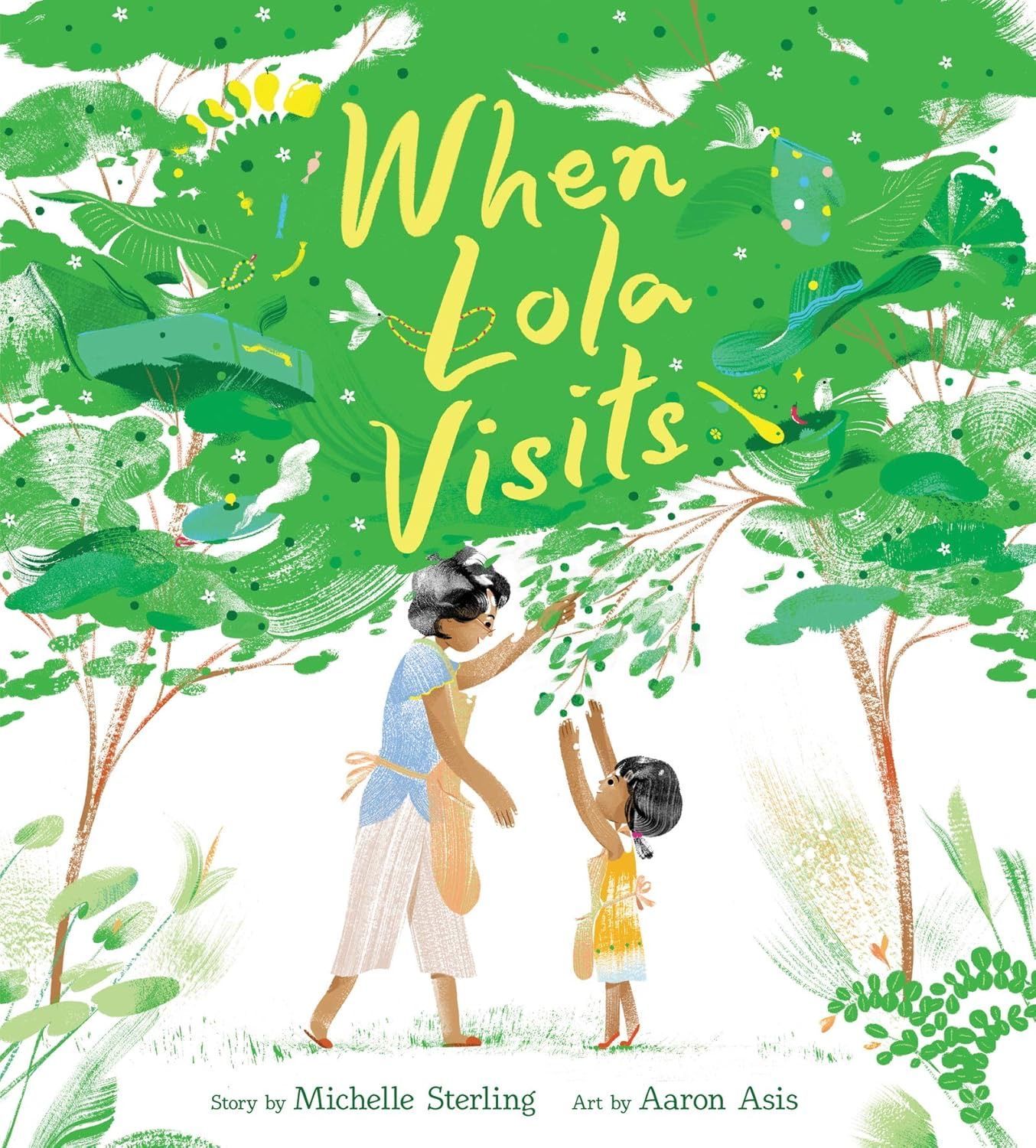
by Michelle Sterling, Illustrated by Aaron Asis
With simple illustrations, the story focuses on the scents of summer, including all the smells and experiences that are part of a grandmother’s summer stay. The repeating refrain of “summer smells like” weaves together a whimsical, wispy nostalgia, while also showing how different traditions “like kalamansi pie and fireworks on the Fourth of July” can come together in powerful ways for young children. The book also brings together the contrasting feelings that can arise when the beauty of summer ends and the promise of a new school year begins.
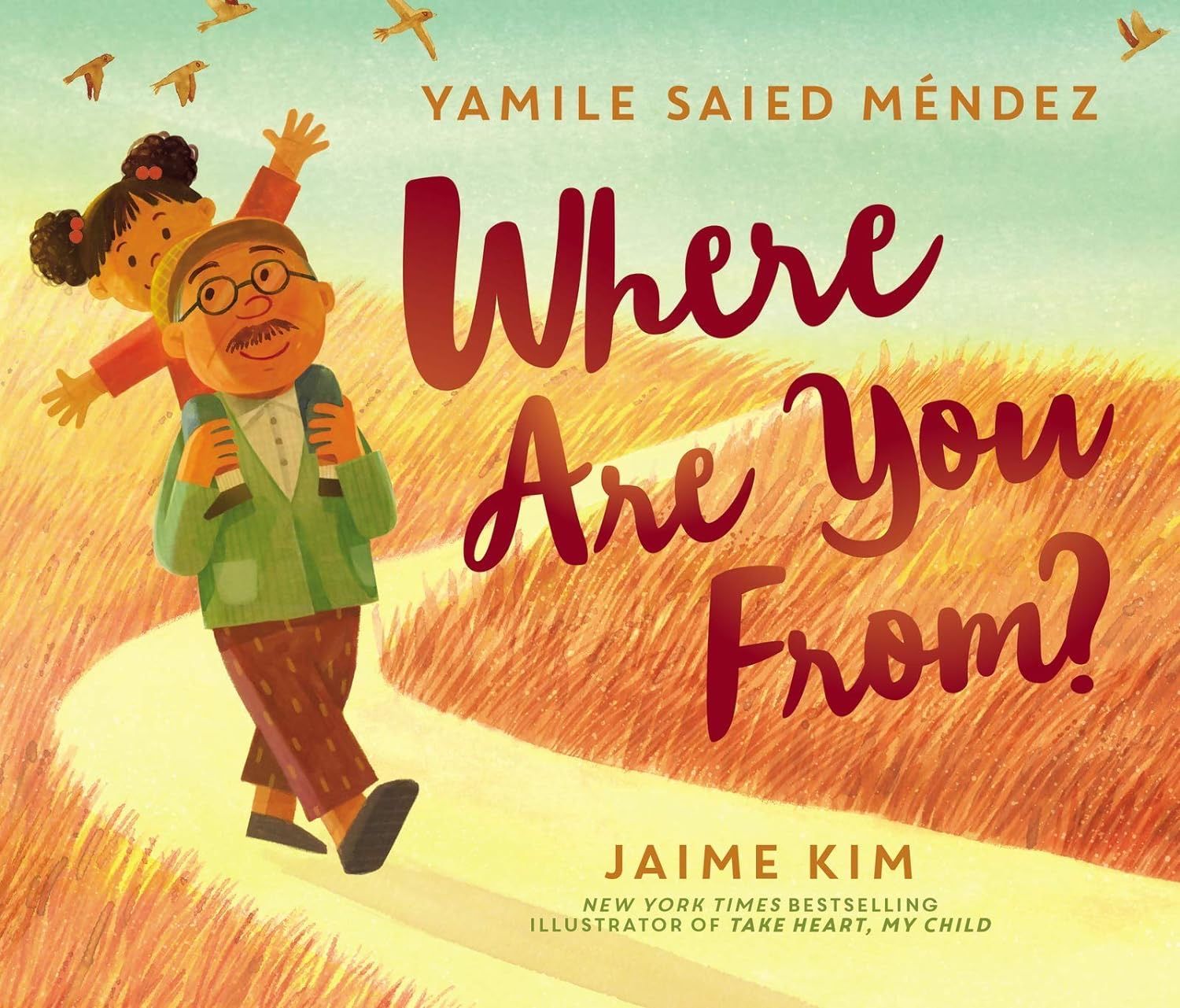
by Yamile Saied Méndez, Illustrated by Jamie Kim
This is a perfect book for when children feel stumped by the question, “Where are you from?” The main character asks her Abuelo. What he shares is both beautiful and inspiring, reminding him of his granddaughter, and perhaps all of us, of the places and ancestors who are so much a part of who we are. But this expansive answer doesn’t satisfy his granddaughter who wants to know where she is really from. His answer captures the essence of who she is and where she is from and establishes the power of personal love and ancestral connection.
We hope you enjoy these books as much as we have! Here is a printable copy of the list of books. We also love to have grandparents and grandfriends come to the school for a tour. Current families can send an email to our office at discover@wheatonmontessori.org or call us at 630-653-5100 to set up a visit.