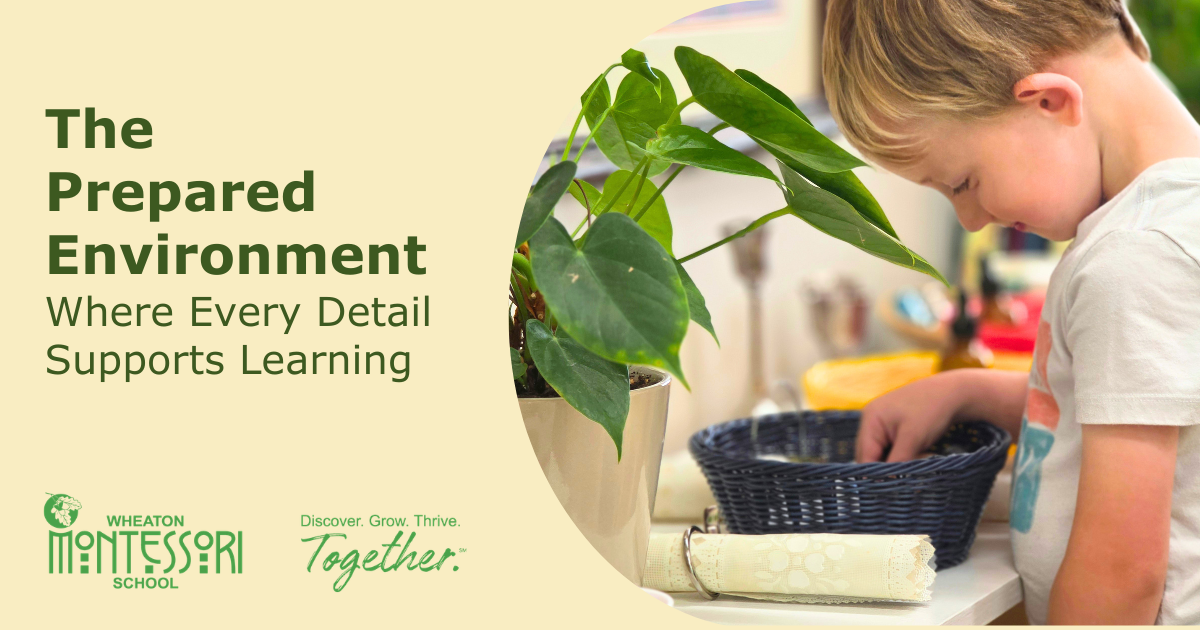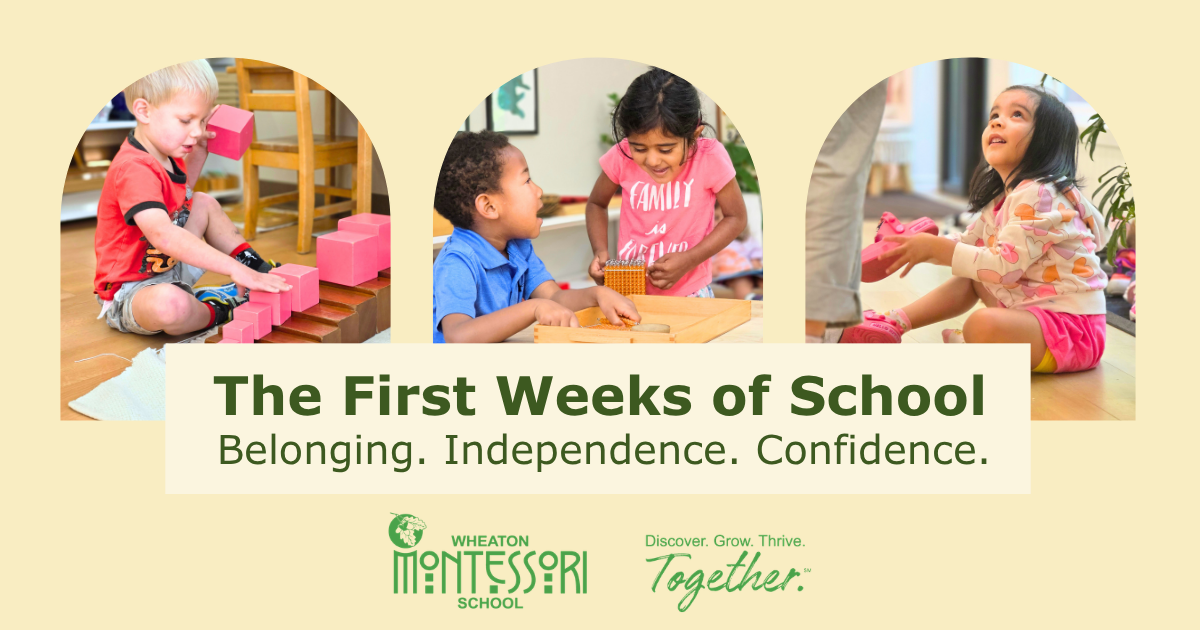
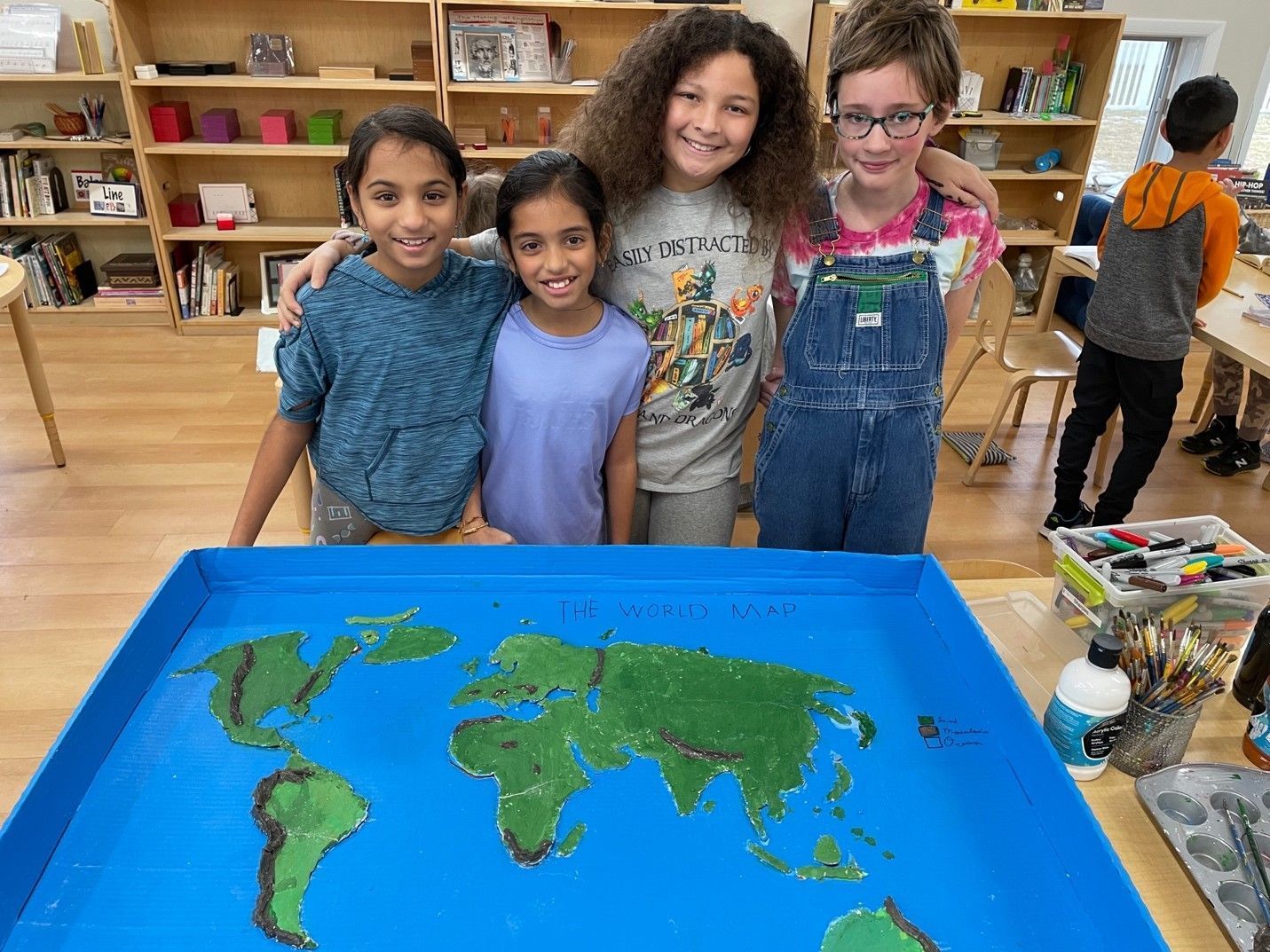
When visiting a Montessori classroom, it sometimes feels surprising to see children of a range of ages in one room. Before they set foot in the classrooms, visitors often ask how teachers can challenge and support children of very different sizes and abilities in one environment. There are many factors, but one reason the mix of ages works so well in Montessori is because we have “multi-year cycles” (3-4 years in primary, 6 years of elementary, and 3 years for adolescence).
What is a Montessori Three-Year Cycle?
In Montessori, children typically enter a classroom as the youngest children and then stay in the same learning community for at least three years. Over the course of those years, they cycle through a rhythm of growth and development.
When children first come into a new classroom, it is a bit like what happens when transplanting a perennial flower; they need time to establish their roots and initially don’t show a great deal of external growth. During their first year in the classroom, children explore their environment and make sense of their new community.
During the second year, children are more established and, like perennial flowers, often grow and blossom a bit more. During this time children experiment in a learning space where they feel comfortable and established.
By their third year, students are the experts in their community. They thrive. Children who complete a three-year cycle have established roots, extended themselves, and have been afforded the time and space to bloom in exciting new ways.
Evolving Roles
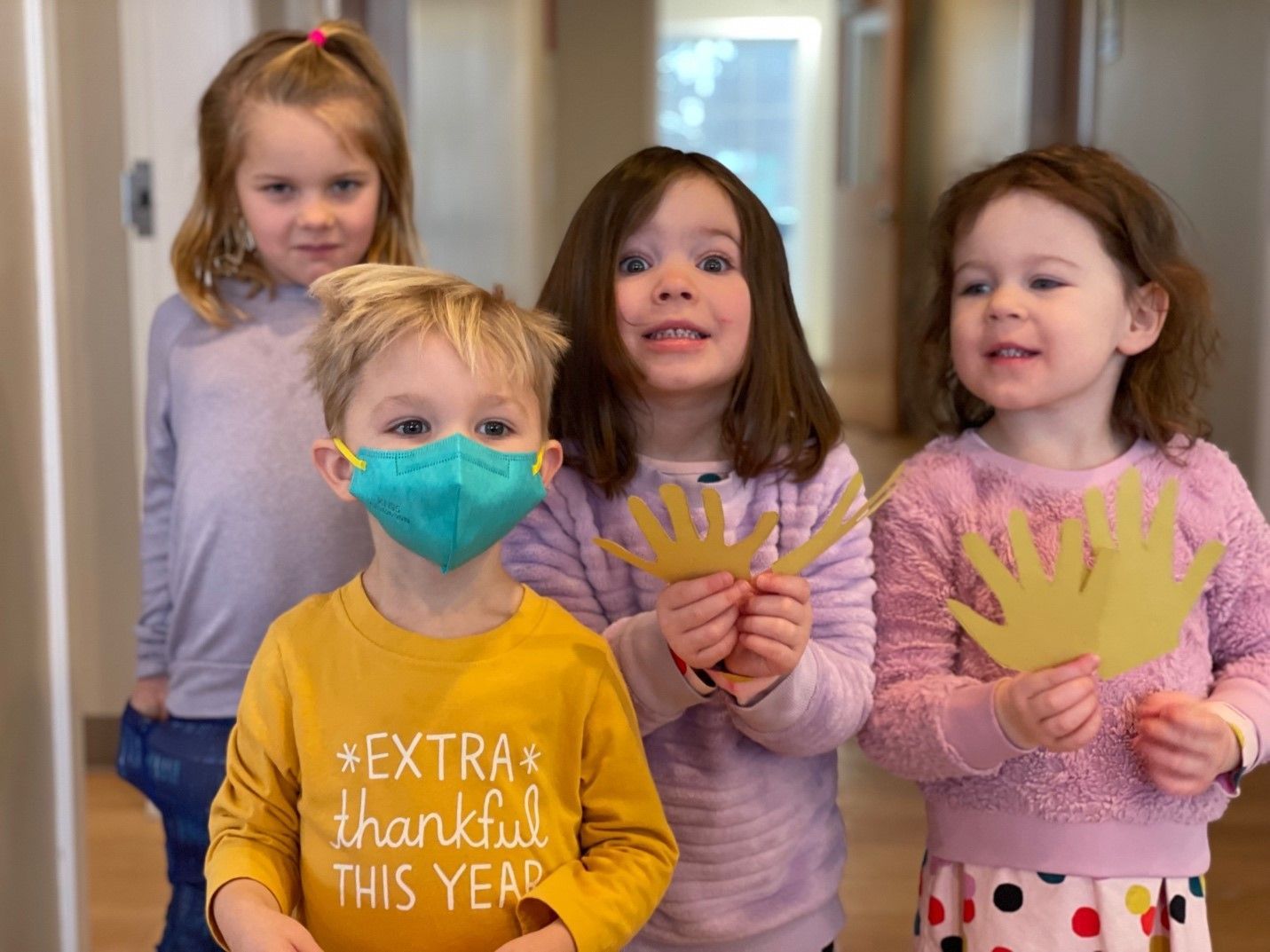
Because children in Montessori classrooms are with each other for a series of years, their learning community becomes a family. All students have an opportunity to play the role of the youngest, middle, and oldest child, and they experience the responsibilities and opportunities that come with each of these roles.
Younger children look up to their older peers, quickly learning through observation how to behave, what is acceptable, and even what to look forward to in terms of advanced work. The oldest in the class serve as mentors, leaders, and even teachers. As older students perfect their skills, they share what they have learned and synthesize their own knowledge. This process is mutually beneficial and encourages children to aspire to bigger and bigger work while building confidence.
Consistency of Community
By having a consistent community for at least three years, children build a foundation that serves them in multiple ways. Beyond solidifying academic and practical life skills, children establish long-term relationships with their peers and the adults in the environment.
With their training and sensitivity to developmental needs, Montessori teachers understand individual children’s learning styles, rhythms, and needs. They tailor presentations to the individual, recognizing where and how to help children stretch beyond their comfort zones. As a result, children feel secure enough to take risks in their learning.
An additional benefit is that over the course of multiple years, a meaningful and supportive partnership develops between families and Montessori guides. A consistent community provides structure that empowers our children and our families.
Zone of Proximal Development
The three-year cycles of Montessori mixed-age classrooms provide children with scaffolding to work in collaboration with more knowledgeable peers and a skilled adult. Supportive learning environments allow children to make connections they wouldn’t necessarily be able to make on their own. Psychologist Lev Vygotsky called this scaffolding the “zone of proximal development.” As children grow within their zone of proximal development, they develop more confidence and are able to practice new skills and abilities. They have social support through meaningful, purposeful interactions with others.
As children continue learning and consolidate their knowledge, they experience new possibilities for growth in a family-like learning community. The mixed-age experience is an essential component of what we do, and our three-year cycles make it possible.
Come see the benefits for yourself! Schedule a tour to get a first-hand glimpse of this three-year cycle in action.