While there has been a certain amount of awareness of how COVID has impacted young children, we thought it would be helpful to shift our attention toward those in their elementary and adolescent years. While the impacts may manifest differently, those in the middle of their school years also experienced considerable disruptions from COVID. From increased anxiety and physicality to challenges in social interactions and work engagement, elementary-aged children and adolescents are facing their own share of struggles.
Social Development
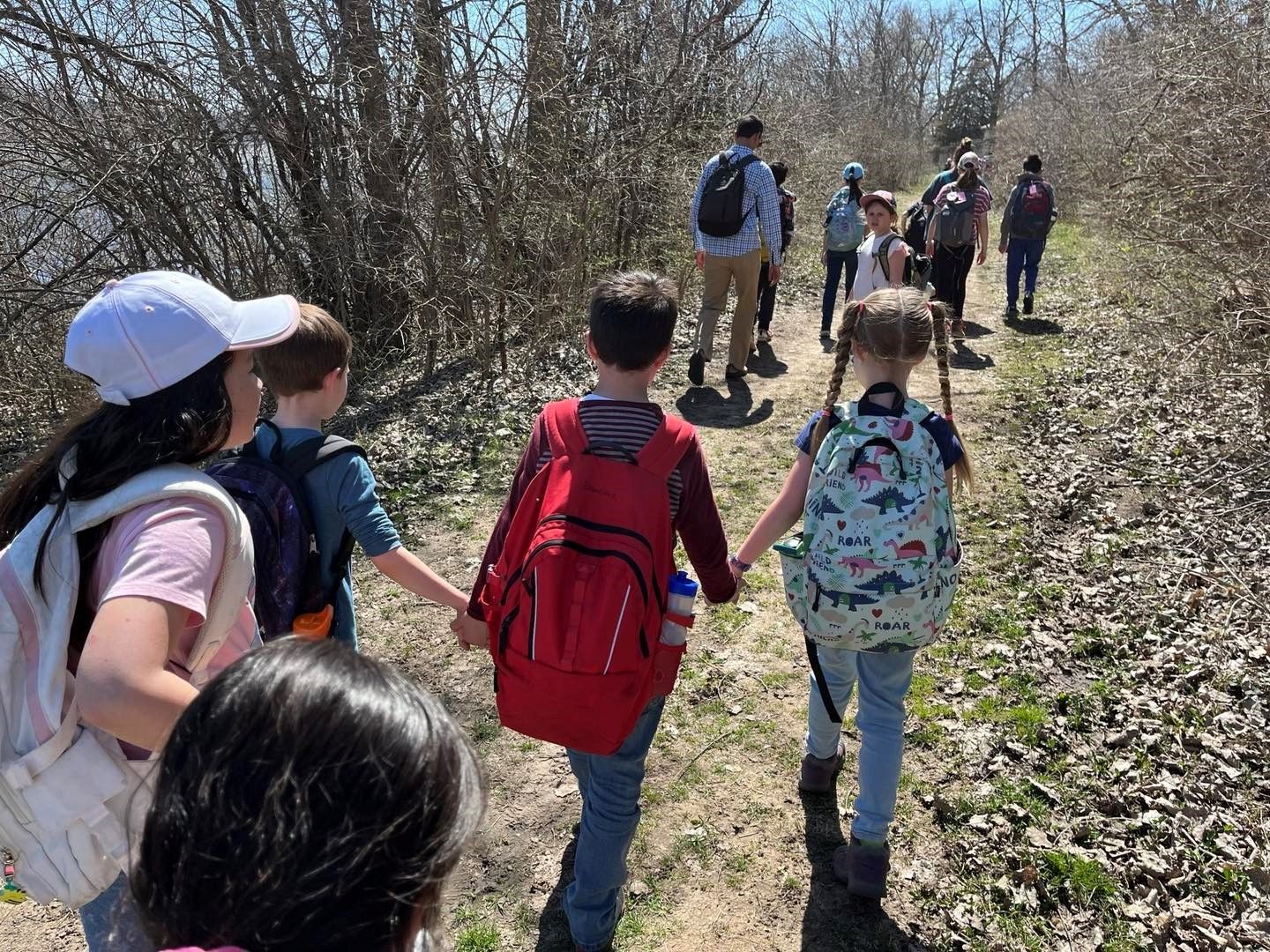
Those who experienced the start of the pandemic during their elementary and early adolescent years were at home during a time when developmentally they needed to connect with peers and figure out their social identity. It’s during this time that our kids develop their own sense of individuality within the context of community. This interplay amongst peers allows older children to both develop their ability to communicate with others while processing how their individual actions impact those around them. The result? Our young people begin to learn how to practice empathy for others while also advocating for themselves.
During the lock-downs and distancing from COVID, many children missed out on key formative experiences, like how to join a group, how to invite others into a group, and even how to have positive conversations. Wheaton Montessori School is here to help students navigate these tricky interactions. Our teachers model how to practice these in short acting lessons. Some students watch, some jump in to lead roles, and all benefit from being part of the conversations. Often students need repeat opportunities and real life experience to incorporate these skills into their day to day. In addition to our teachers modeling best practices, our multi-age learning environment provides an opportunity for our younger children to model older students’ respectful behavior as well. This is where high fidelity Montessori classrooms excel. The delicate balance of freedom and responsibility that teachers and our classrooms hold creates natural interactions, real world socializing and accountability.
Children’s awareness of others’ physical space has been impacted, perhaps due to maintaining six feet of distance or even having more time in close proximity to screens. As children have been able to be together again, the boundary line of what is too close or what is too physical is something they are having to rediscover with the guidance of our teachers. These interactions are a daily part of our classrooms.
Direct instructions and guidance enables children to further develop their social skills as well as creativity. Elementary-age children love to role-play. Acting out different scenarios allows them to build on their creativity and expansive thinking. Conversations with your children and teens about the qualities of a good friend and how to be a good friend to others is another aspect you can help with at home to foster developing friendships and healthy peer interactions.
Our adolescents’ need for social interactions faced a major setback during the pandemic. While wearing masks and socially distancing was beneficial for community health, our students needed extra support to navigate a typical challenge for teens which is to read facial expressions, body language, and tone. Fortunately, for Montessori teachers, social and emotional lessons are one of the underpinnings of our work. Today, we continue emphasizing listening to others’ spoken words and nonverbal communications.
Regulating Emotions & Managing Anxiety
During the elementary age, our children are developing their emotional skills, which provide an important base before young people enter their more tumultuous adolescent years. Major emotional skills mastered during this stage include how to adjust to different rules and social norms for behavior, understand others’ feelings, practice more control and management of emotions, and develop strategies for patience and general adaptability.
In addition to not having as much opportunity to flex these social-emotional muscles, so much was outside of our children’s control during the early COVID years. As a result, more young people have developed increased anxiety, which can manifest in a multitude of ways.
For some children, just the transition into the school building and away from parents or caregivers can cause anxiety to flare up. For others, trying to figure out how to interact with peers in-person can be anxiety-provoking.
To help, we focus on communication and collaboration. This can range from recognizing and discussing emotions when children are calm, to remaining open and empathetic when strong emotions surface. It’s essential that, as adults, we model emotional regulation so our young people can see how we use coping strategies, like taking deep breaths or stepping away from a situation, rather than just reacting.
We make sure to address our kids’ behavior rather than their emotions. This helps young people understand the distinction between their feelings and their actions. For example, if someone feels angry, that is just a feeling, which is neither good nor bad. However, if someone were to act on that feeling by hitting another person, the behavior of hitting is unacceptable. When we handle disciplinary situations, our responses can help our kids begin to internalize that it is okay to experience a range of emotions and that they have choices and limits in terms of how they behave.
Involving our children in the conversation is essential. They might need help voicing or expressing their emotions and anxieties so worries don’t stay hidden inside where they can easily proliferate. Most importantly, we need to help ensure that children don’t keep avoiding whatever is causing them stress or anxiety. Our teachers believe that students benefit from feeling AND doing. We love to see students accomplish activities within an encouraging community where each student is recognized for their strengths.
Getting Back Into the Rhythm
Healthy routines are important for older children and teens, who need structure and predictability to offset the stress associated with the changes they begin to experience in their social lives, their bodies, and even their emotional experiences. With all the disruptions of the pandemic, we need to be especially sensitive to the importance of following through and following up. Our children need us, as adults, to hold consistent, firm, and kind boundaries, so that they can feel secure and settled.
From regular sleep and predictable mornings to completing chores and finishing assignments, routines can be the guide. With older children and teens, we also need to engage in respectful, curious conversations about what causes them to feel stressed, tired, or overwhelmed. Ideally, we are encouraging our young people to take an active role in planning routines that will help them manage themselves better. If we brainstorm with our kids and write down the plan together, we can more easily revisit what is going well and what might need to be modified. Also be sure to celebrate the wins and compassionately communicate if something isn’t working well.
Above all, our young people need our patience and understanding. This requires us, as adults, to remain present and supportive. If concerns arise, we can work in harmony to compassionately identify possible problems and strategize practical solutions.
We all need a helping hand.
To see how we support students' emotional regulation, social development, and intellectual engagement, come visit our school. We love to share what we do!