
At Wheaton Montessori School, we want to ensure that children are immersed in the wonders of the natural world and biology is interwoven into daily life through experiences and more formal lessons.
Certain themes permeate our study of biology, one of which is the fact that all forms of life have needs, which must be satisfied if the organism is to be able to survive and reproduce. A top priority is the need for food. This is one way we distinguish plants from animals. Plants can make their food. They have to satisfy their needs wherever they grow.
Our presentations help children appreciate how alive plants are. We want to help children identify the miraculous powers of plants, which leads to explorations of plant anatomy and the functions of parts of plants. Often our students have been caring for and cultivating plants since they were toddlers in their classrooms.
Children are captured by the beauty and power of the plant world. Because they often love to pour through botany books, we’re sharing a few of our favorites. We hope these books inspire more investigation, exploration, and perhaps even some home-based growing and gardening!
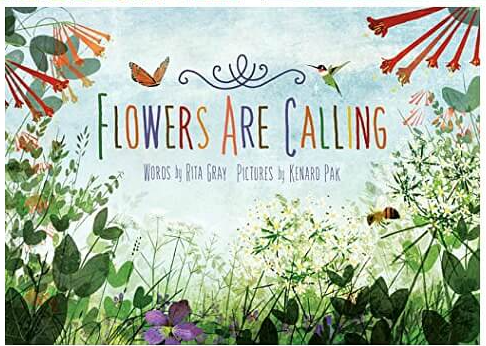
By Rita Grey, Illustrated by Kenard Pak
This book is an excellent introduction or companion to Montessori lessons on the story of the flowers, parts of the flower, and how flowers ensure pollination. Grey weaves together a lovely narrative of what creatures do or don’t respond to flowers’ calls. The simple rhyming storyline appeals to the youngest children, while specifics about adaptations of particular flowers and pollinators can spark the interest of older investigators. The end of the book offers an invitation to children to look again at the flowers before them and offers insights into what children may see–color, pattern, shape, smell, and time of opening–and what those means in terms of the types of pollinators the flowers are trying to attract.
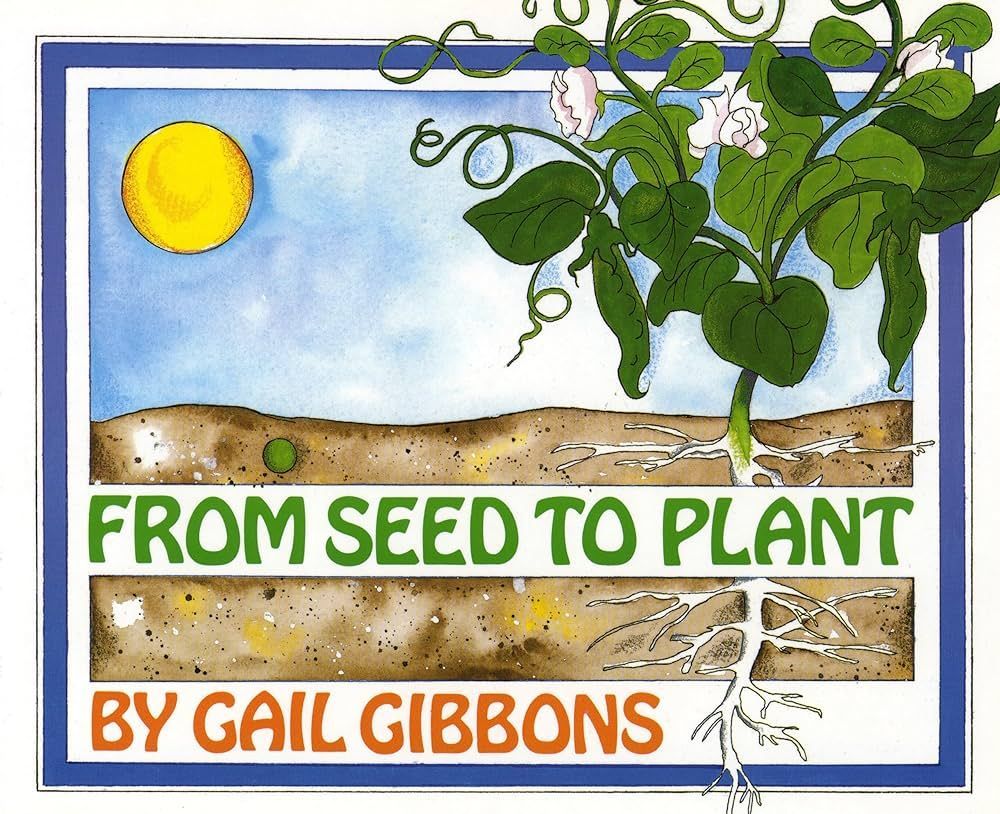
By Gail Gibbons
Although seemingly simple in its illustrations and text, this picture book provides an excellent overview of multiple botany lessons we explore in Montessori classrooms: from pollination to seed dispersal, parts of a flower to parts of a seed, and more! This is a handy reference book for young children and a perfect introduction to complex concepts. Plus, a seven-step “From Seed to Plant” project at the end of the book is a perfect activity for young botanists.
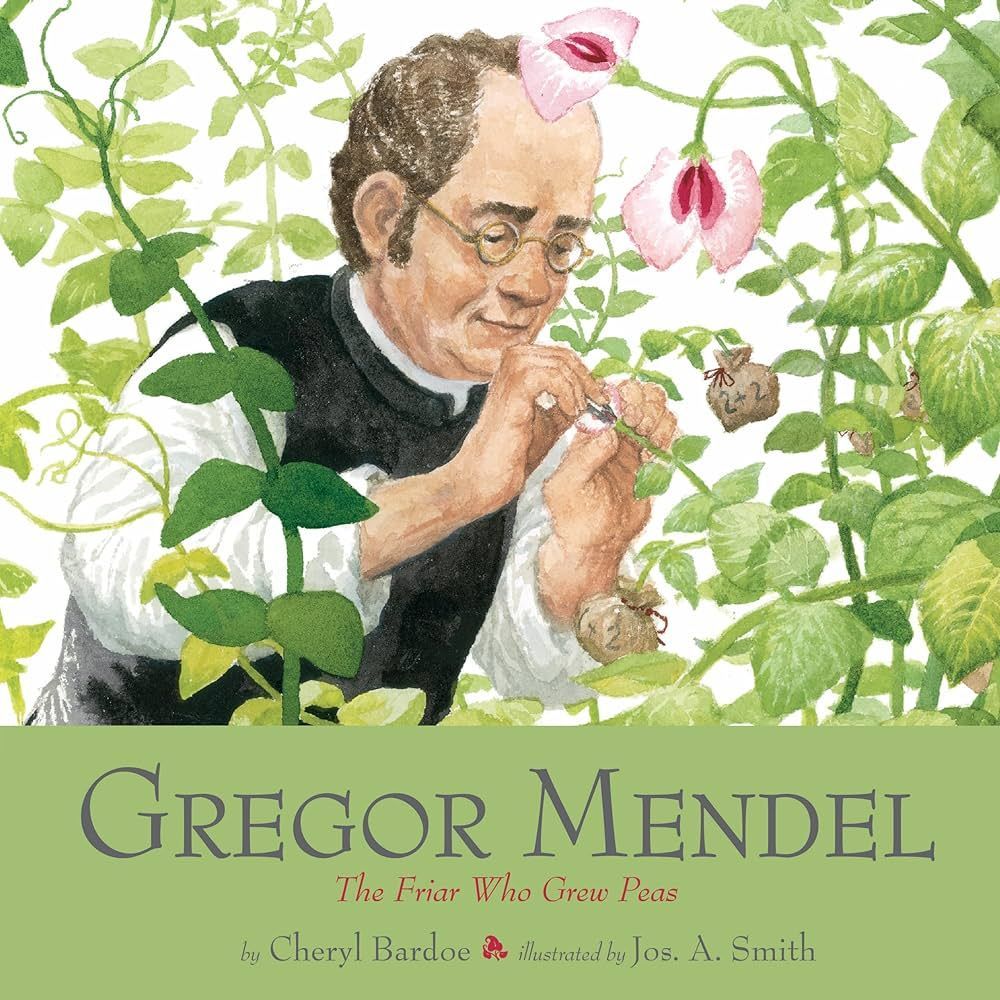
Gregor Mendel: The Friar Who Grew Peas
By Cheryl Bardot, Illustrated by Jos. A. Smith
Although in picture book form, this is an excellent introduction for more advanced thinkers and budding scientists who are curious about genetics and/or botany. The story follows the life of Gregor Mendel, a curious young boy who, despite great obstacles, was able to continue his studies and eventually conduct elaborate experiments to better understand how species pass on genetic traits to their offspring. This fascinating story of perseverance and exactitude also overlays nicely with a study of botany. The author’s note at the end is worth a read, too!
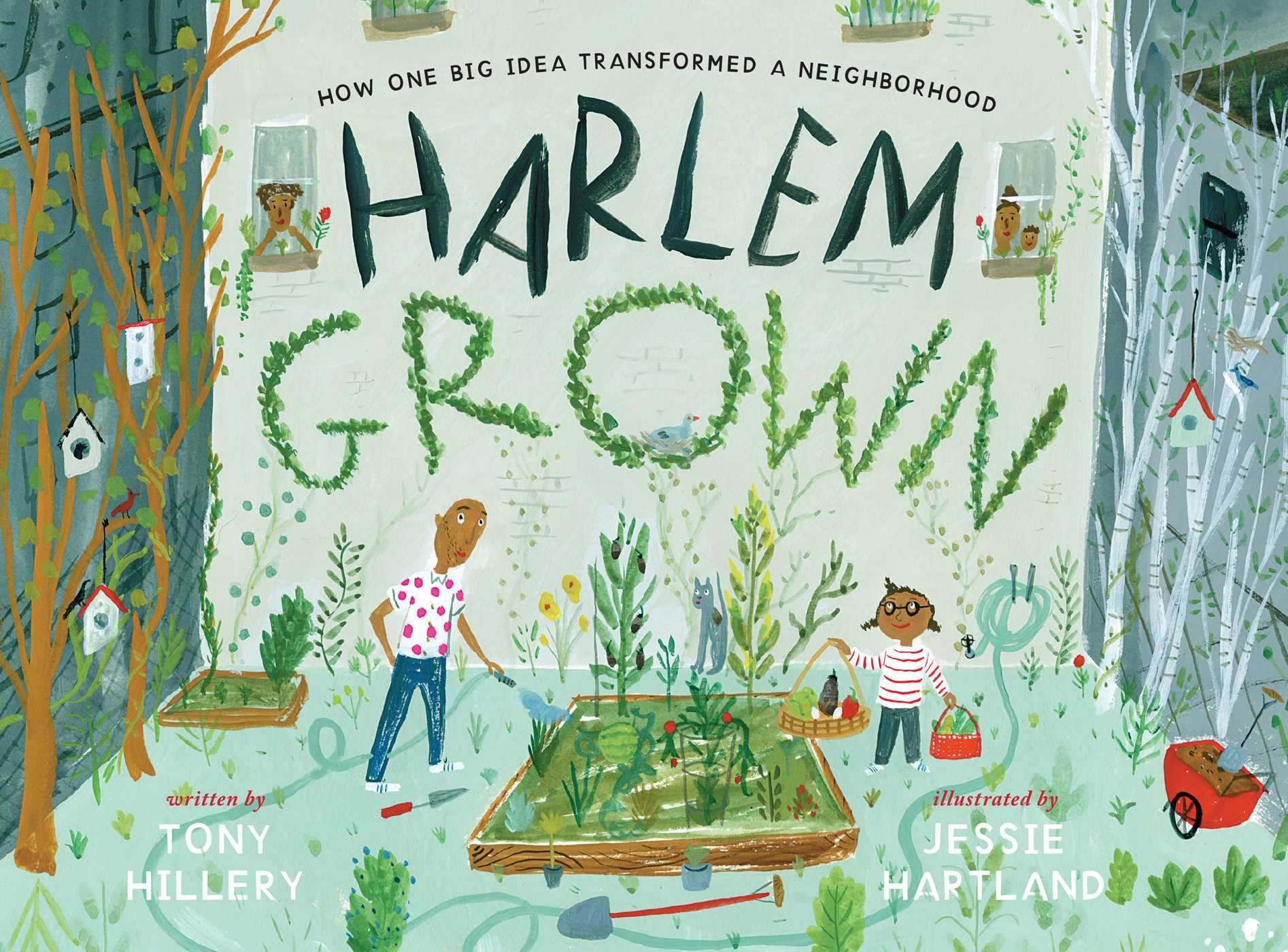
Harlem Grown: How One Big Idea Transformed a Neighborhood
By Tony Hillery, Illustrated by Jessie Hartland
This true story by the founder and director of Harlem Grown provides an inspiring reminder of the power of people coming together to create change. A trash-filled lot across from a school gets transformed into a community garden. Little details in the story, like the protagonist’s wilting plant, offer a reminder that it’s possible to try again, with bountiful results! Additional resources at the end of the book offer steps for starting a garden anywhere, as well as websites and additional books for both children and adults.
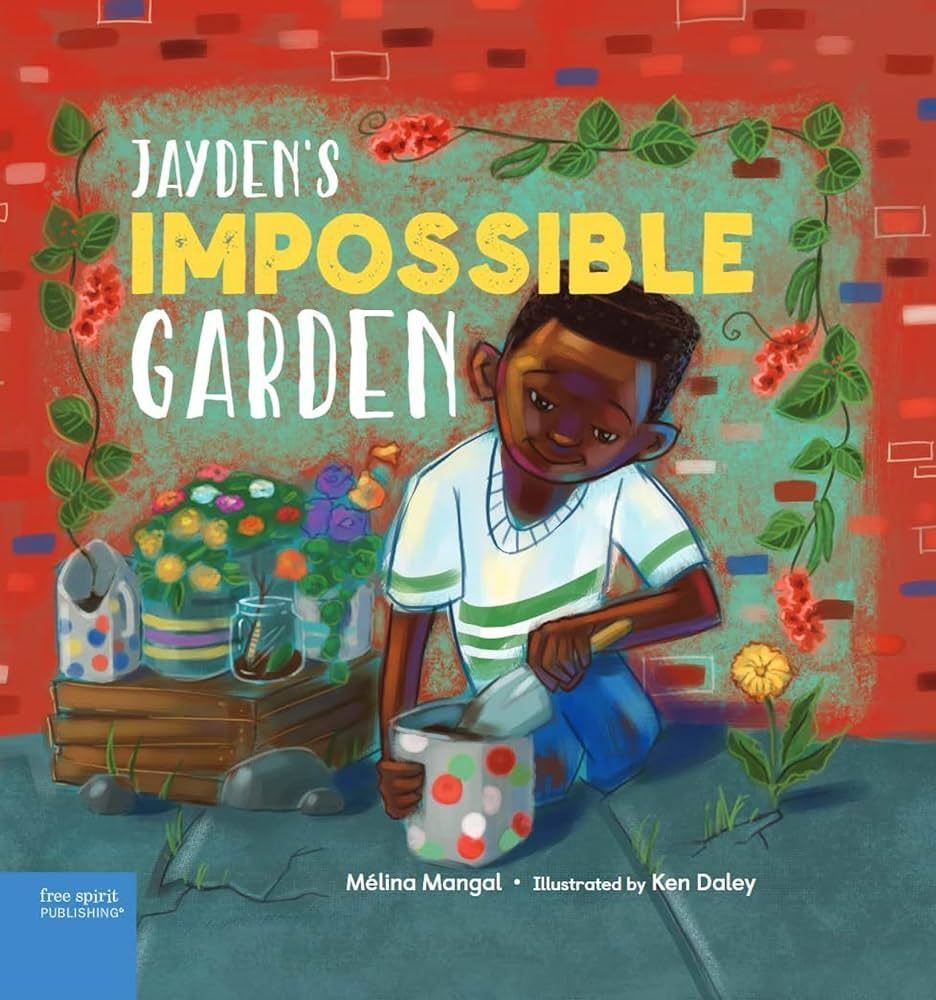
By Mélina Mangal, Illustrated by Ken Daley
Sometimes it is the power of many that makes a difference and sometimes it is the power of a few. This story is about one boy who believes that there is nature amidst his city streets, how he finds someone who feels the same way, and what they create together by paying attention to the little things that bring them joy. The result? They highlight the beauty around them and can show others the magic of nature, right in the middle of their city. For children inspired by this story, there are instructions at the end (which require a bit of adult support) for inviting nature into our lives through recycled crafts, such as a coffee container planter and milk jug bird feeder.
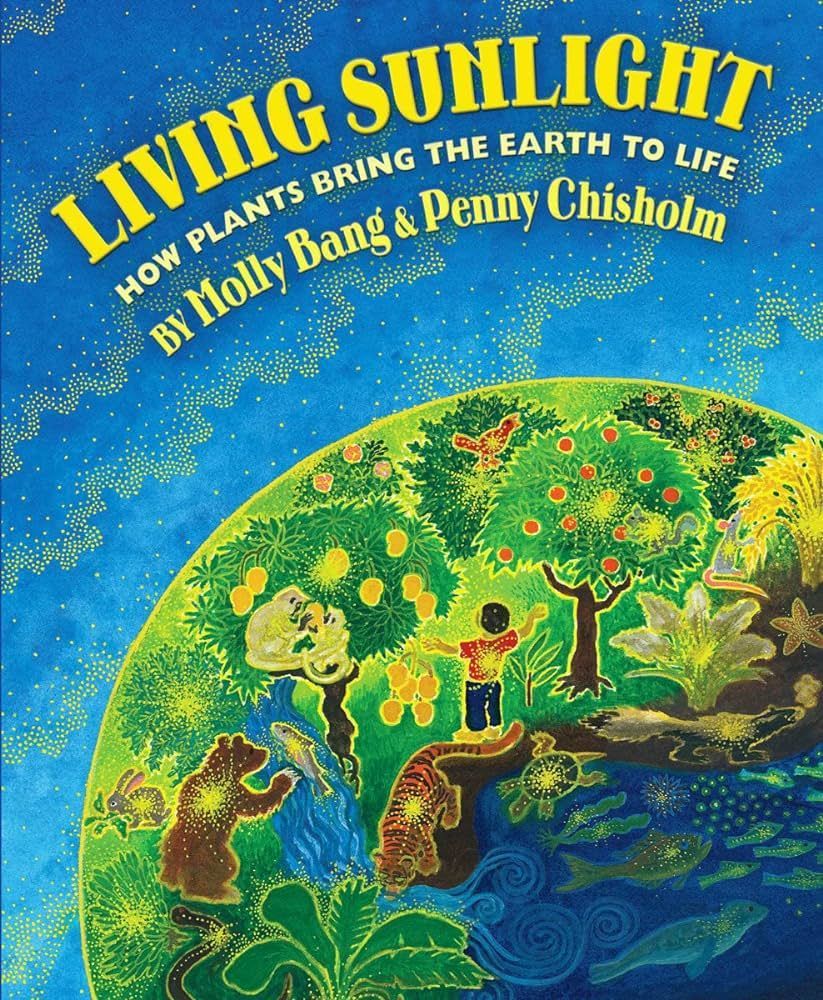
Living Sunlight: How Plants Bring the Earth to Life
By Molly Bang and Penny Chisholm, Illustrated by Molly Bang
With classic Molly Bang vibrant colors, this picture book brings the complexity of how photosynthesis connects the energy of the sun and all living things on Earth into a format that even young children can enjoy. The text provides a perfect balance of being accessible to all ages and yet rich enough with scientific concepts to appeal to elementary learners. For those especially keen on the science, the authors provide a complete breakdown of the concepts with each idea connected to thumbnail images from pages throughout the book. And if that weren’t enough, the book provides a meditative, heart-centered message that can help readers feel both grounded in themselves and connected to the universe.
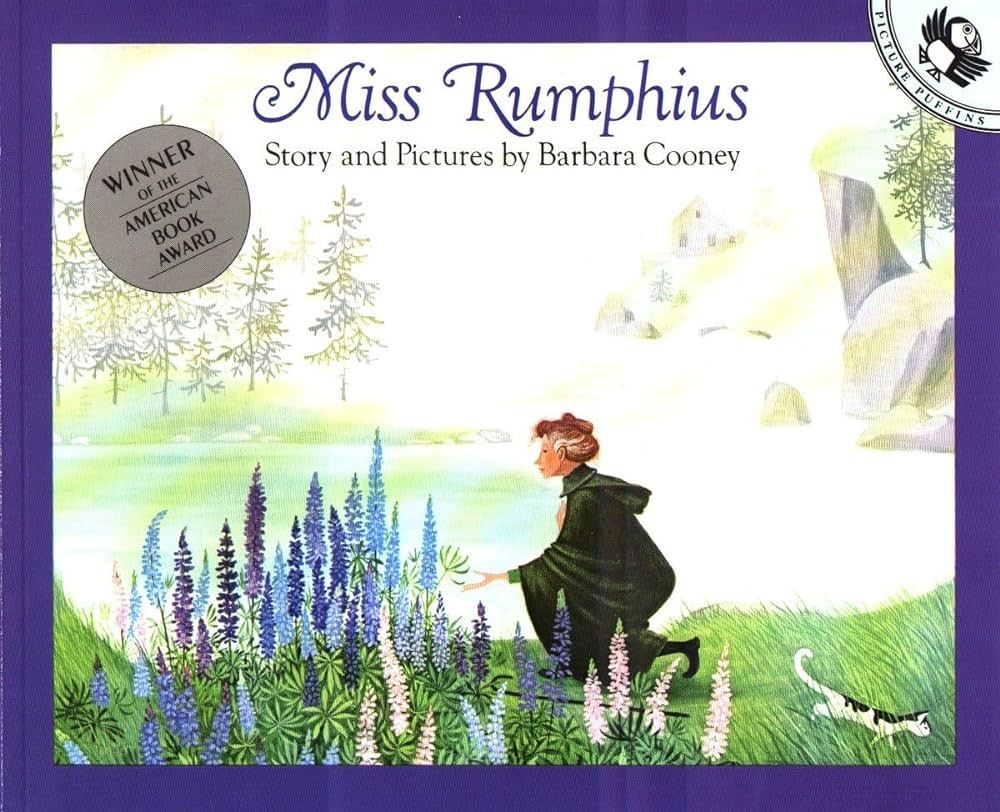
By Barbara Cooney
Although not specifically about botany, this inspiring tale is a must-have for any home library. A little girl shares the story of her great-aunt Alice (or Miss Rumphius), a story with an underlying message of how one person can make the world more beautiful. After many worldwide adventures, Miss Rumphius realizes she can help the wind and birds spread lupine seeds. So she does. One of the most beautiful aspects of this story is how it weaves together the cycles of life with how we can inspire the next generation to continue making the world more beautiful, in whatever ways we can.
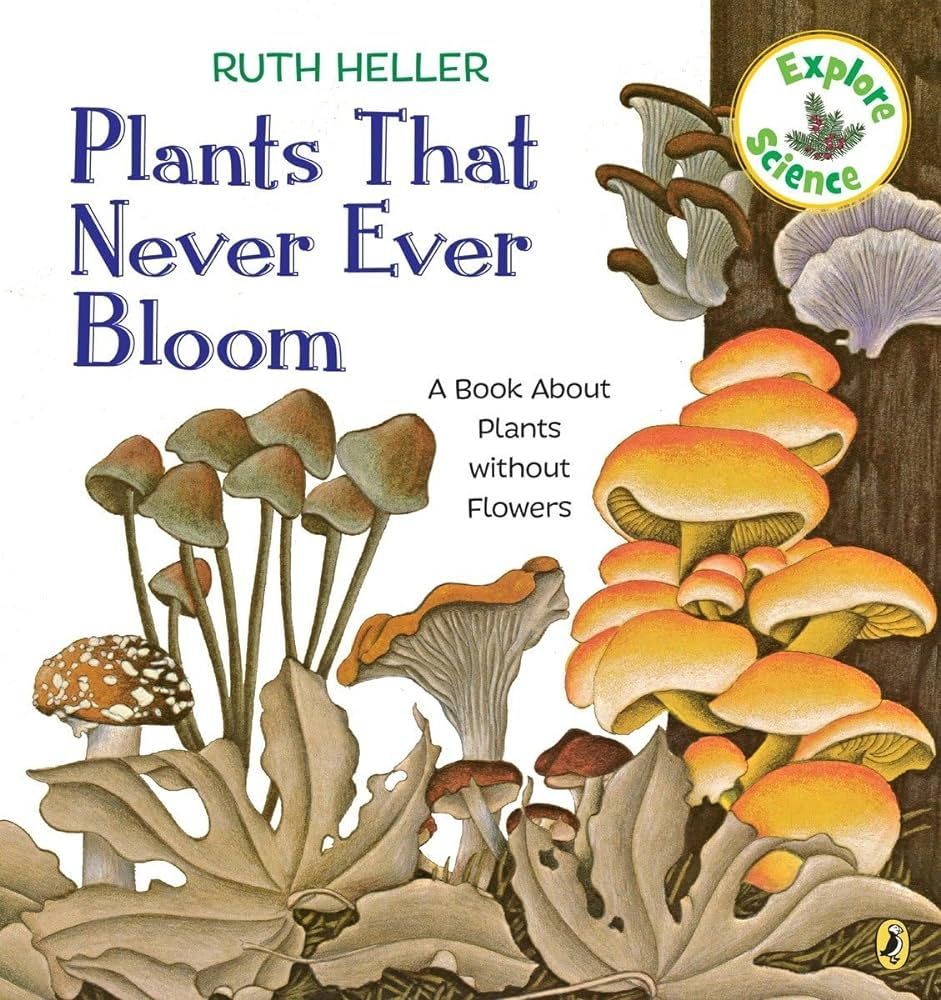
By Ruth Heller
An excellent follow-up to The Reason for a Flower, this book explores the magical world of fungi, ferns, algae, and more. It references the ancient nature of some of these non-flowering plants and also the peculiar exceptions, such as gymnosperms. This picture book provides a wonderful launching pad for further studies of the plant world!
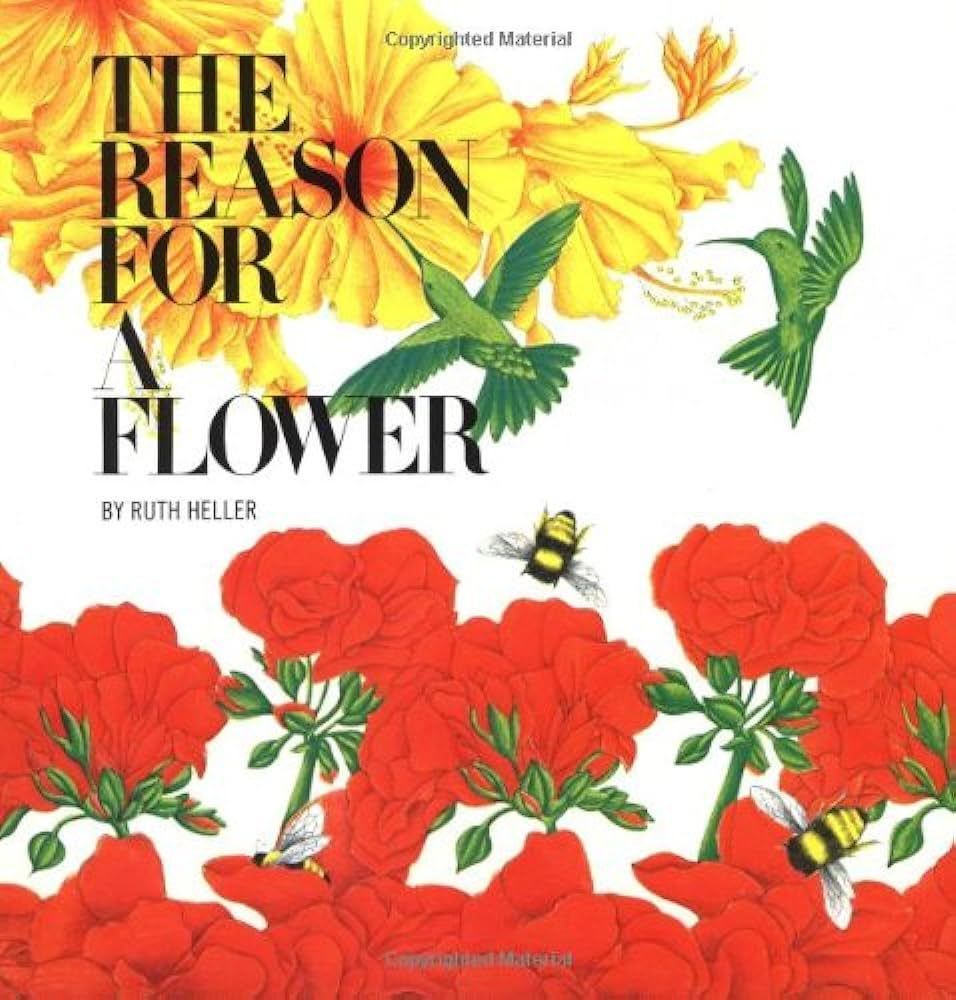
By Ruth Heller
In her rhyming prose and vivid illustrations, Heller takes us on a lively journey through the purposes and practicalities of flowering plants. She artfully blends text and image, while ensuring the information is precise and accurate. The Reason for a Flower is a wonderful companion to any study of flowers and at the very end plants a seed (pun intended) for the companion book, Plants that Never Bloom.
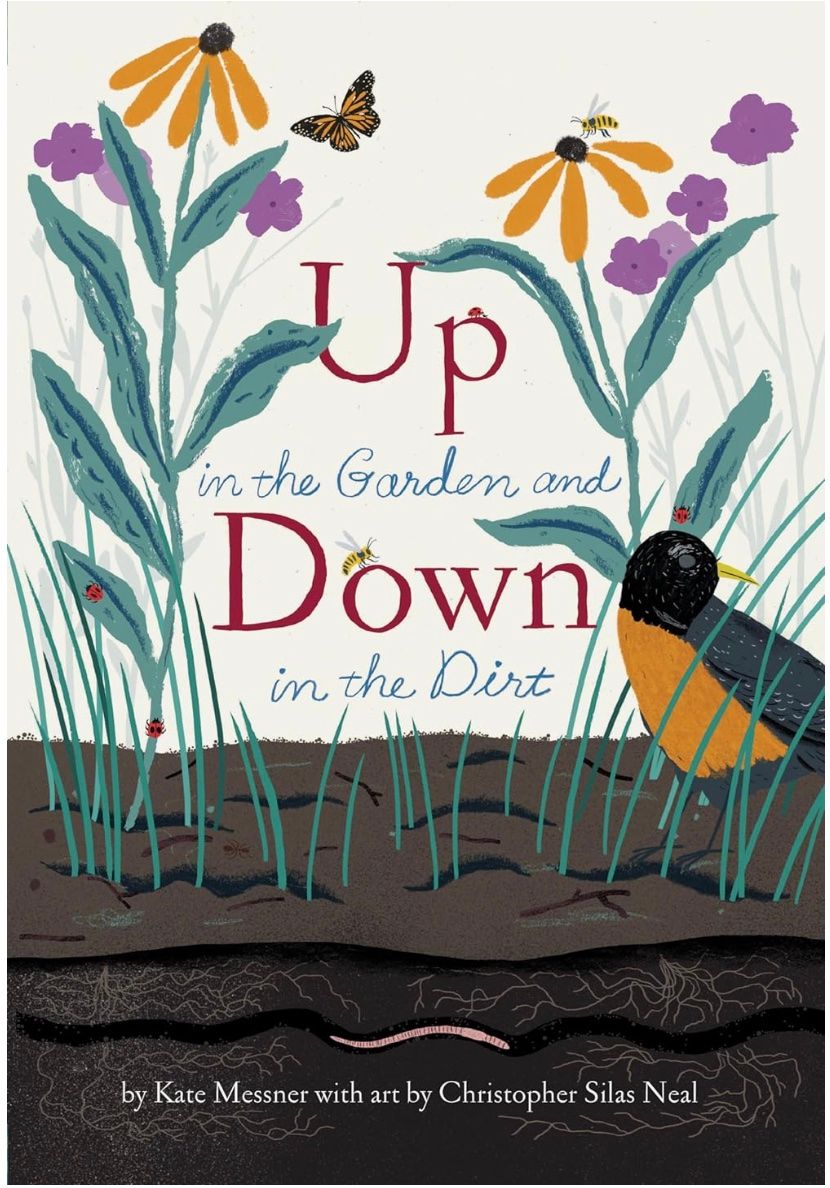
Up in the Garden and Down in the Dirt
By Kate Messner, Illustrated by Christopher Silas Neal
From the creators of Over and Under the Snow, this picture book takes young readers on a seasonal journey through the seen and unseen of a backyard garden. While a child and her grandmother tend the soil, enjoy their harvest, and shift with the seasons, a whole host of organisms also do their work down in the dirt. This is a great way to introduce the interconnectedness of life and how humans are amongst many amazing creatures doing beautiful work. The end-of-book details about all the animals illustrated throughout the pages are an amazing bonus, too!
We hope these books inspire some outdoor exploration. You can download a printable list of these titles for your next visit to the bookstore or library. Also, if you’d like any inspiration for how to incorporate botany studies into your child’s life, come visit our school. We love to share more about what we do.
Current families are invited to schedule a classroom observation by clicking on the green buttons below.
We have limited enrollment for children who will be between 2.5 and 4 years of age for summer and fall 2024 start dates. Prospective families are invited to schedule a school tour by clicking on this link or the green Schedule a Tour button on the upper right-hand corner of this page.