Happy Martin Luther King Jr. Day! We work to uphold the values of Dr. King at Wheaton Montessori School. Both humanitarians, Dr. Martin Luther King Jr., and Dr. Maria Montessori, upheld a dream for humanity and believed reverently that peace could be realized.
In his Nobel Peace Prize acceptance speech in 1964, Dr. King asserts: “Nonviolence is the answer to the crucial political and moral questions of our time; the need for mankind to overcome oppression and violence without resorting to oppression and violence. Mankind must evolve for all human conflict a method that rejects revenge, aggression, and retaliation. The foundation of such a method is love.”
In Education and Peace, Dr. Montessori states: “An education capable of saving humanity is no small undertaking; it involves the spiritual development of man, the enhancement of his value as an individual, and the preparation of young people to understand the times in which they live.”
Both Dr. King and Dr. Montessori recognized the profound personal shift required to support a societal shift toward peace and equity. To support this work, we offer some of our favorite books that highlight the legacy and vision of Dr. King. Don’t stop with our list. Also, ask your librarians for more biographies about great people and cultures who have contributed to our current. Their everyday lives and childhoods are especially interesting and make the historical figures accessible.
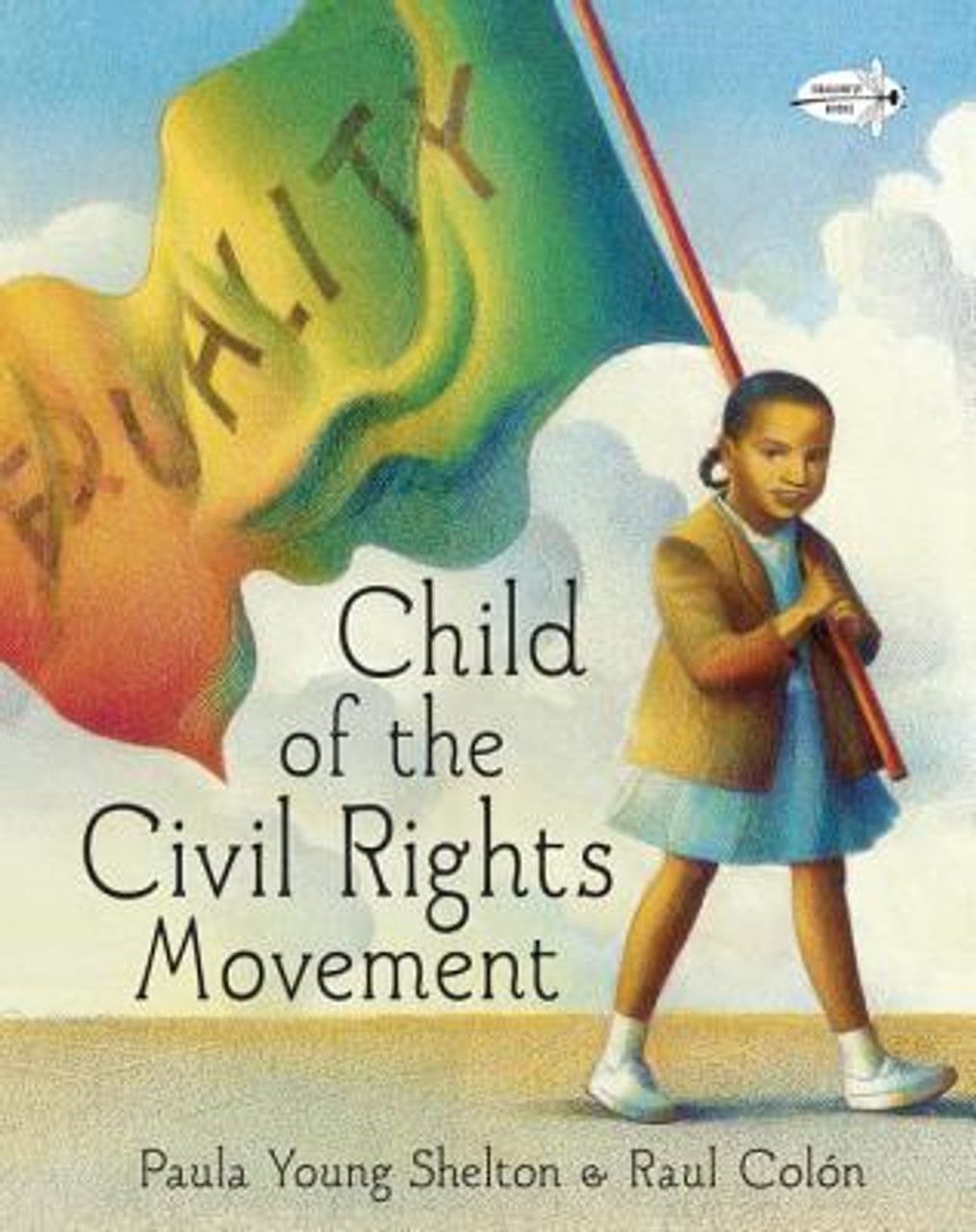
Child of the Civil Rights Movement
By Paula Young Shelton, Illustrated by Raul Colón
The author, the daughter of civil rights leader Andrew Young, shares a simple yet profound view of what it was like to live through the household experience of organizing, marching, and forming a community. From the child-like “ah ha” moment of realizing Jim Crow wasn’t a bird to overhearing dining room conversation among some of the great civil rights leaders, this story brings the movement home to children. The “More About the People in This Book” section at the end is a helpful reference, too!
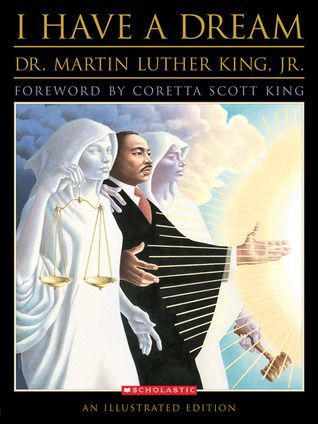
I Have a Dream: Dr. Martin Luther King, Jr.
Forward by Coretta Scott King
This presentation of Dr. King’s inspired speech from August 28, 1963, is all the more stunning with an overlay of paintings by fifteen Coretta Scott King Award or Honored artists. In addition to a short biography of Dr. King, the book also includes the African-American artists’ statements about their pieces. This is a perfect book to both read aloud and use to explore how art tells a story. Please share with us which piece of art resonates with you!
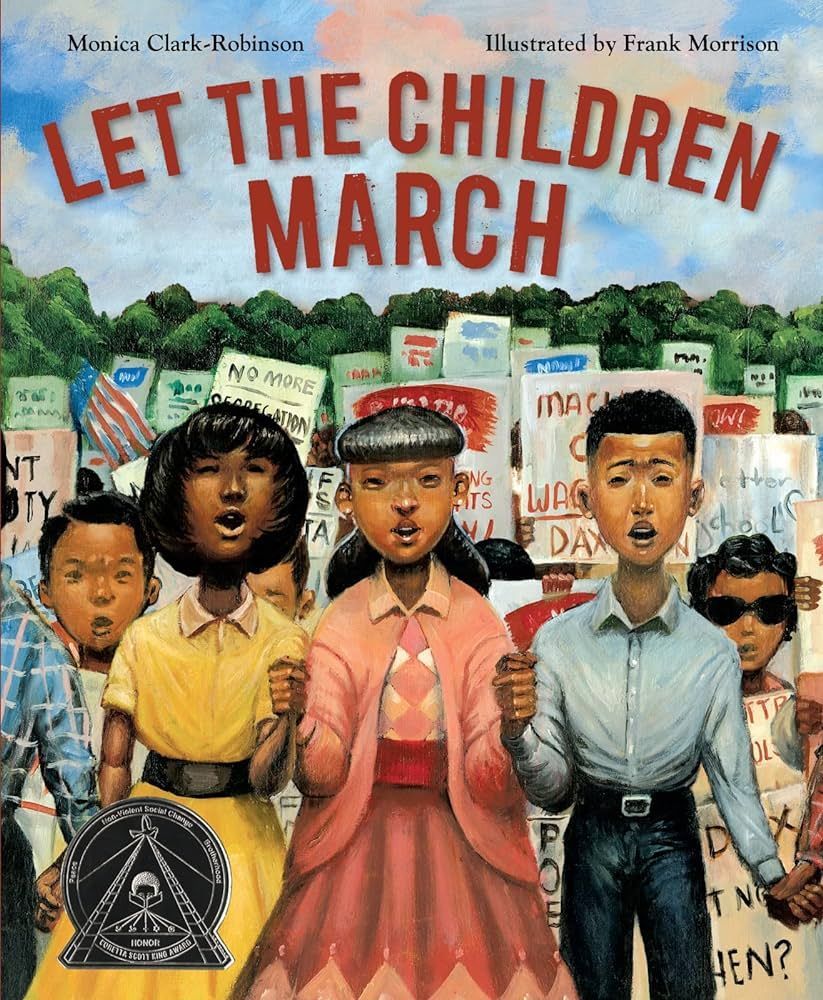
By Monica Clark-Robinson, Illustrated by Frank Morrison
Told from the perspective of a young girl in Birmingham, Alabama in 1963, the poetic verse of this story begins with Dr. King's call to action. Inspired and determined, the girl and her brother realize the children can march even if their parents can’t. The book is filled with hope, as well as images that don’t shy away from the pain and horror of the police response to the march. Moving and powerful, this story is one to share. The Afterword and Artist’s Statement at the end are also helpful for older readers, as well as the creative timeline of events that spans the endpapers.
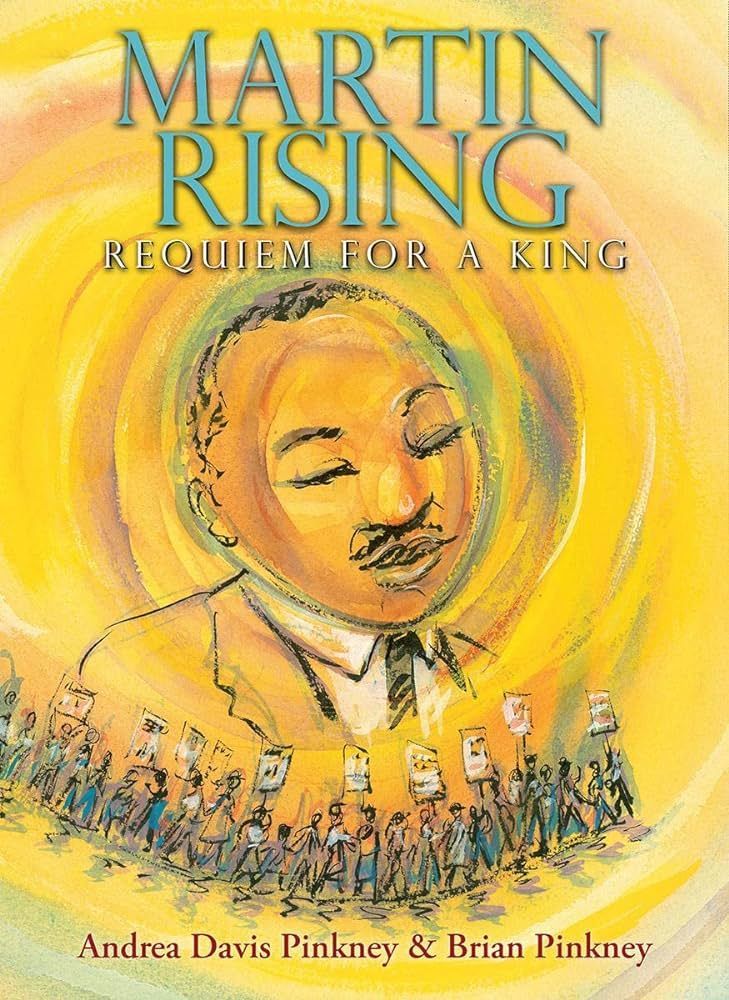
Martin Rising: Requiem for a King
By Andrea Davis Pinkney, Paintings by Brian Pinkney
A powerful collection of what the author calls “docu-poems” accompanied by rich sensorial images provides a narrative of the days and events leading up to Dr. Martin Luther King, Jr.’s death. Older children who have a bit of knowledge of Dr. King’s life and legacy and who have perhaps begun exploring poetry will no doubt appreciate the artistry of Martin Rising. The author and artist's reflections at the end provide additional options to explore – performing the narratives aloud, searching for repeated visual symbols, and creating a play.
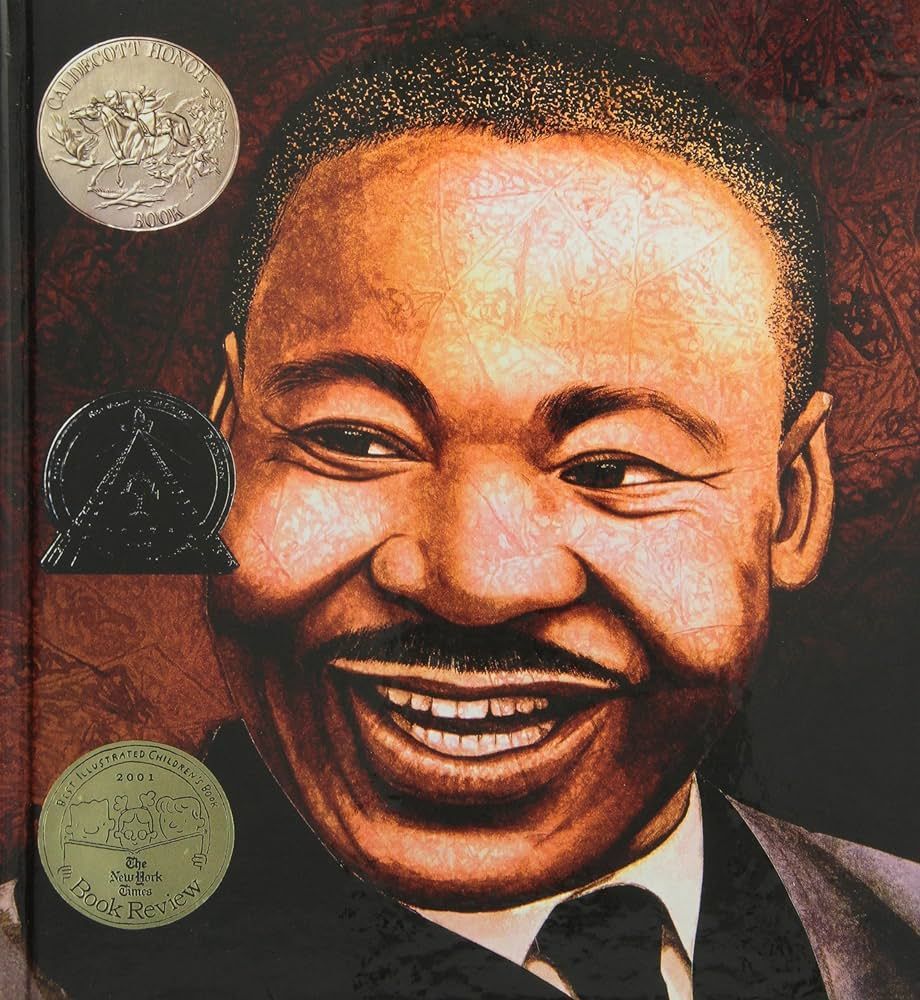
Martin’s Big Words: The Life of Dr. Martin Luther King, Jr.
By Doreen Rappaport, Illustrated by Bryan Collier
Collage illustrations combined with actual quotes from Dr. King carry the reader (or listener) through the rhythms of Dr. Martin Luther King, Jr.’s life. From his early childhood days to his ministering to the long years of protest, this picture book flows powerfully through the arc of Dr. King’s “big words.” A perfect introduction to Dr. King for young children, the book’s simplicity makes the messages all the more resonant.
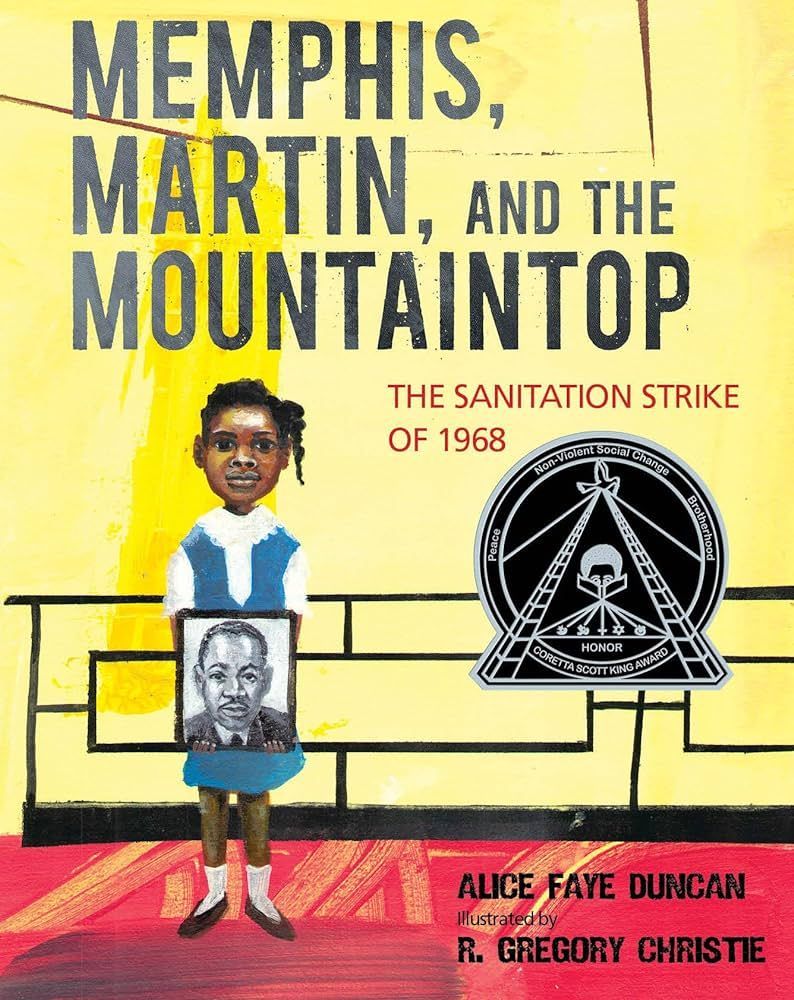
Memphis, Martin, and the Mountaintop: The Sanitation Strike of 1968
By Alice Faye Duncan, Illustrated by R. Gregory Christie
Nine-year-old Lorraine Jackson’s story of the Sanitation Strike in 1968 is both moving and informative. The book merges both the appeal of a picture book, the organization of a short chapter book, and the beauty of short poetic verse, and the level of detail is most suited for elementary ages. Dr. King’s profound influence is woven throughout the story, including the impact of his assassination and the reminder that “freedom is never free.”
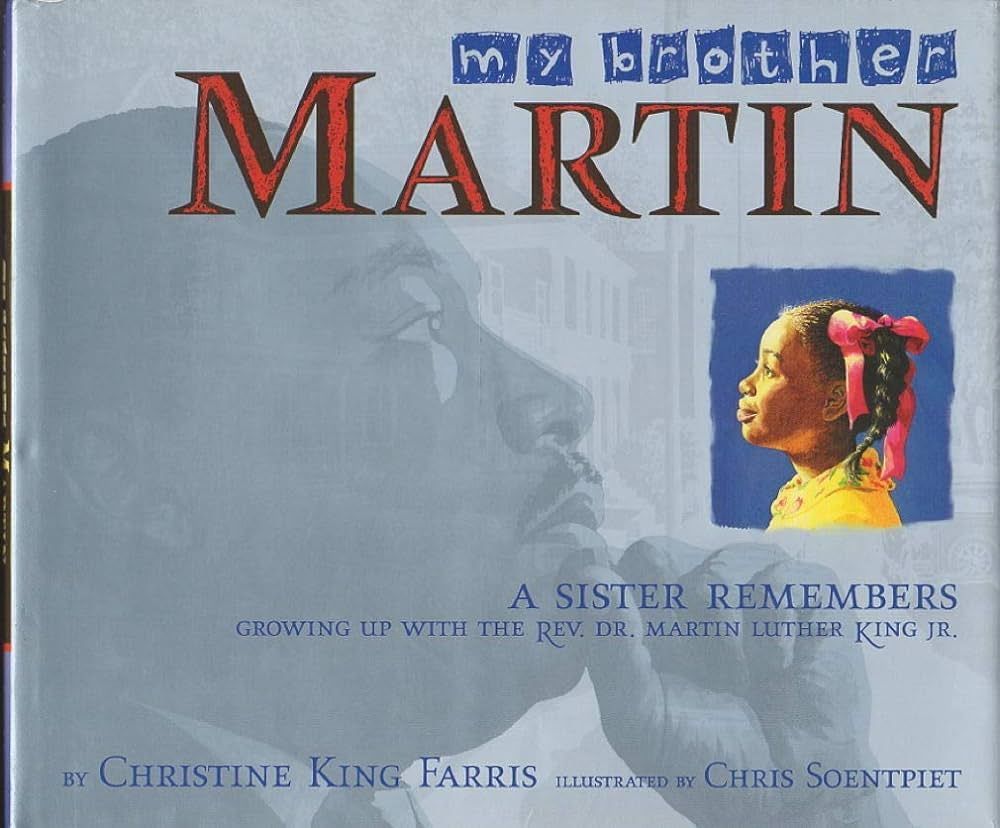
My Brother Martin: A Sister Remembers Growing up with the Rev. Dr. Martin Luther King Jr.
By Christine King Farris, Illustrated by Chris Soentpiet
Dr. King’s sister shares the story of their childhood, including the silly and the serious. Her firsthand account captures not only the joy of siblings growing up together but also how formative experiences can set the stage for our future. This is a beautiful account to share with children of all ages and a powerful reminder of the potential each of us has to do something great in the world.
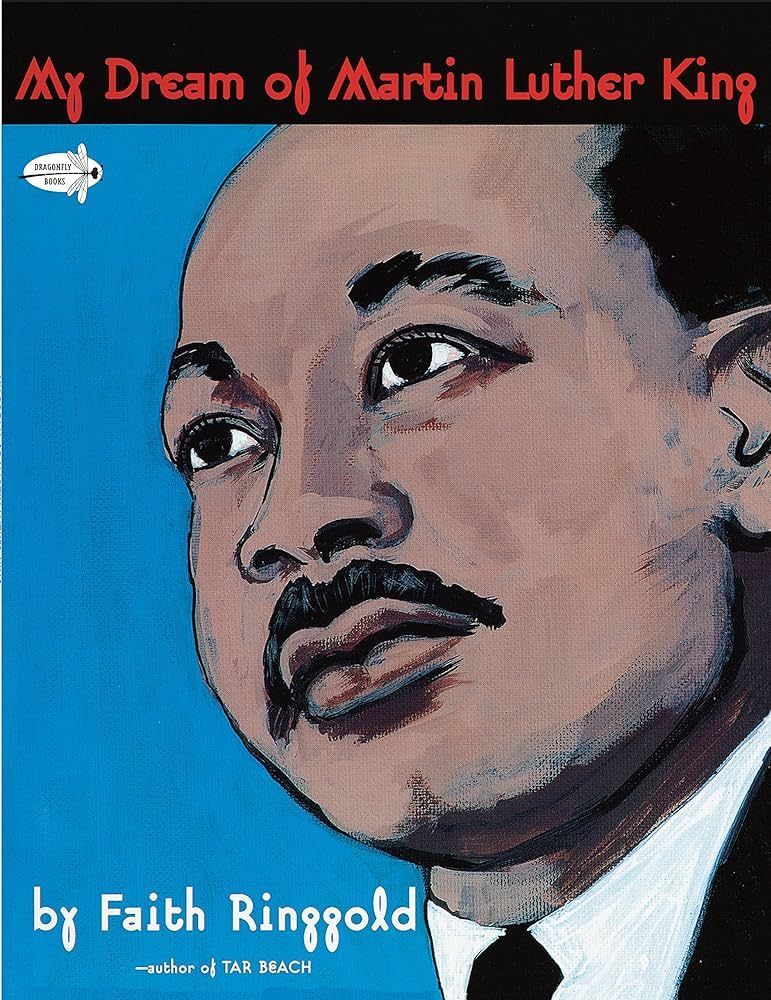
My Dream of Martin Luther King
By Faith Ringold
Artist, Faith Ringold*, weaves together art and story as she recounts a dream she had of Dr. Martin Luther King, Jr. While not a precise historical sharing, the story does provide plenty of opportunities for conversation about the Civil Rights Movement. For reference, there is also a timeline of Dr. King’s life at the end of the book, as well as suggestions for activities to help children explore and reflect.
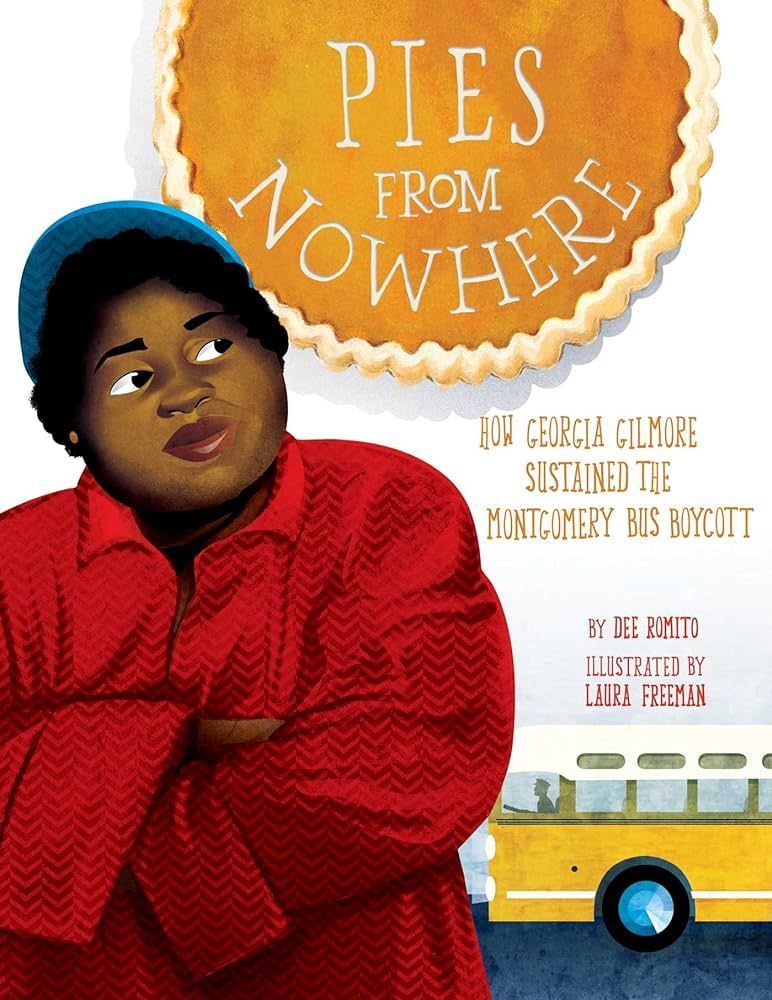
Pies from Nowhere: How Georgia Gilmore Sustained the Montgomery Bus Boycott
By Dee Romito, Illustrated by Laura Freeman
This true story is a perfect illustration of how one person leaning into their strengths can have a big behind-the-scenes impact. Georgia Gilmore, a cook, heard about Rosa Parks’ arrest and the Montgomery Bus Boycott. She heard Dr. King speak and she decided she could “help the best way she knew how.” She made food and lots of pies and used the money to secretly support the bus boycott. The story continues with challenge and progress (and even Dr. King’s encouragement!). There is even a bonus recipe at the end for Georgia Gilmore’s Homemade Pound Cake!
We hope these books inspire you and your children as they have inspired us. We especially love how many of the books illustrate how meaningful change happens when many people are working together. You can click here to download a printable booklist. As you explore these books with your children, let us know what you think! We hope to see your family on Sunday, January 21, 2024, at the Museum of Contemporary Art Chicago at the Faith Ringgold Exhibition.
“Our goal is to create a beloved community and this will require a qualitative
change in our souls as well as a quantitative change in our lives.”
–Dr. Martin Luther King, Jr.
*All School Get-Together on Sunday, January 21, 2024, at the Museum of Contemporary Art Chicago for the Faith Ringgold Exhibition. Please email the school office at discover@wheatonmontessori.org for additional information. We’d love to enjoy art with you.