Too often our children have unconsciously absorbed harmful stereotypes about Indigenous Peoples or that Native Americans only existed in our country’s past. Today, we hope to be very intentional about providing current, accurate, and respectful information about Indigenous Peoples’ Day and throughout the year. This blog shares recipes, an interactive map, local events, and book recommendations.
Experience
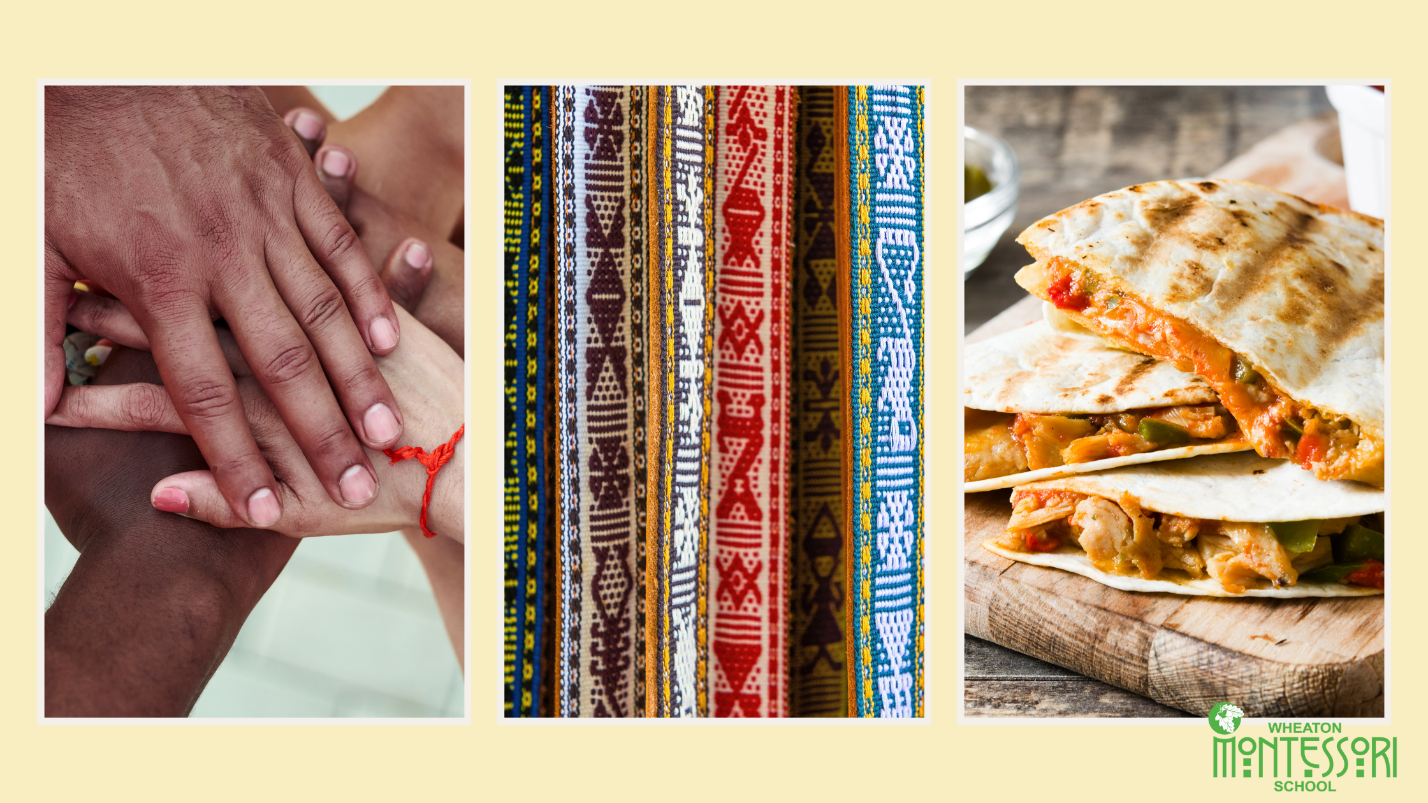
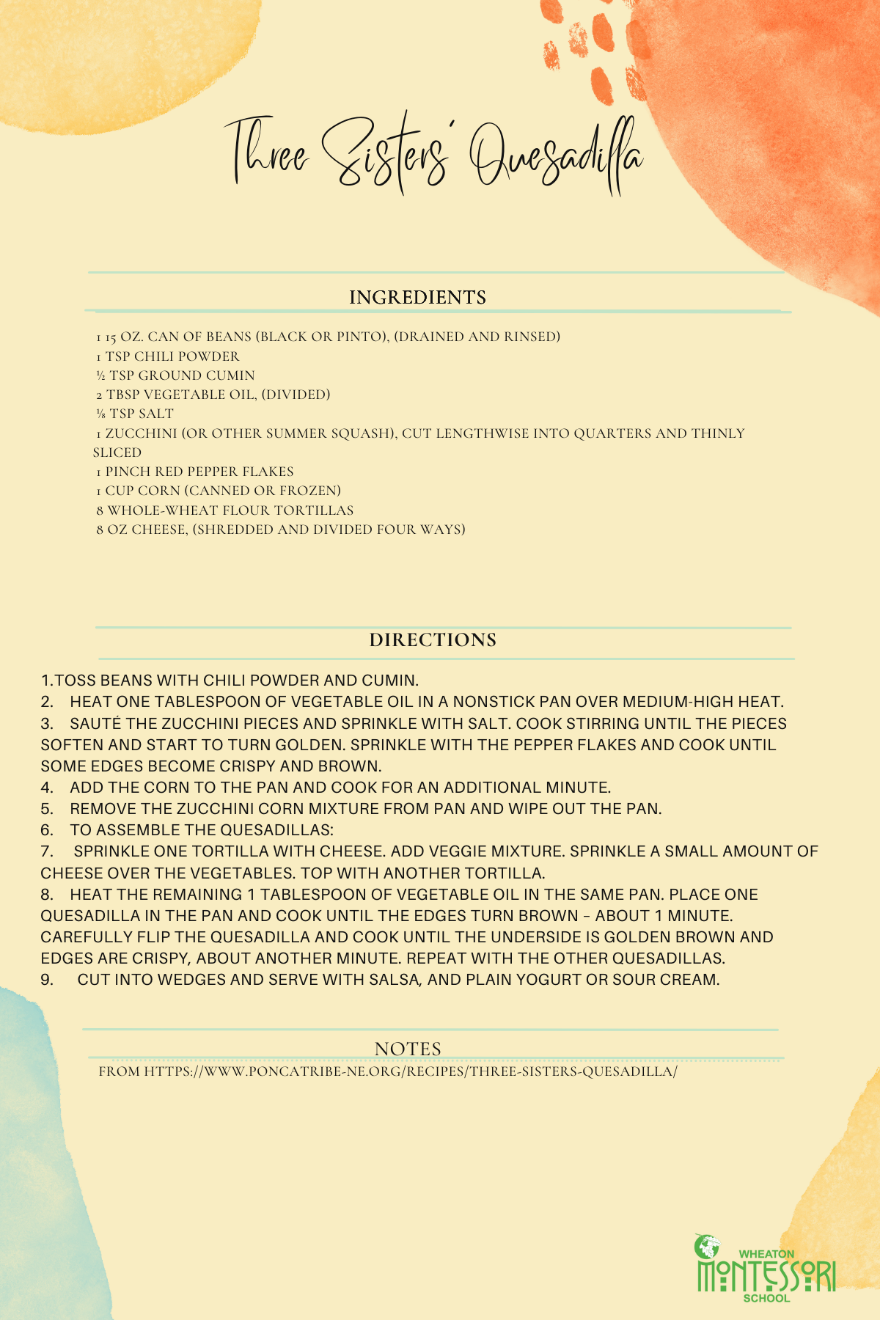
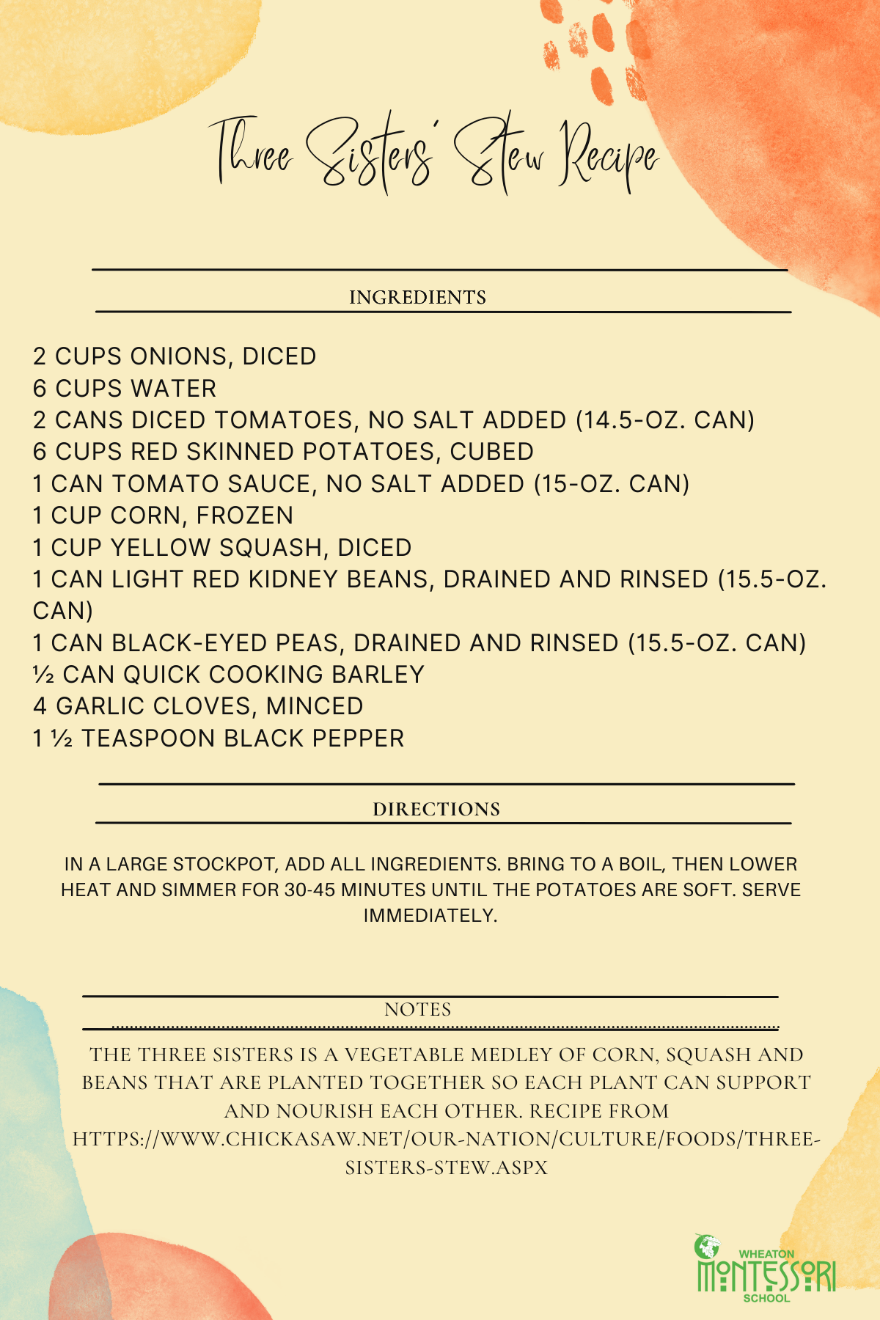
A fantastic way to immerse ourselves in a Native Culture is to share food. Here are two recipes based on Native American’s companion planting of maize, squash, and beans. The Three Sisters is a vegetable medley of corn, squash and beans that are planted together so each plant can support and nourish each other.
Focus on Your Community
We can also accompany our children on a journey of learning about the original people who lived in this area. This investigation is most suitable for children as they enter their elementary years, as it means digging into history. In this process, we can help our children appreciate how there are multitudes of Native American nations and that each has their own language, culture, history, and traditions. As we learn about the Native Peoples of our place, we can then be more specific as we talk about native culture. For example, “This book is about the Mohican people.”
An amazing interactive resource that can help children also appreciate geography through a cultural lens is the Native Land Digital map: https://native-land.ca/. Because the map does not show political boundaries, children can visually discover some of the fluidity of native territories and languages. The site also provides links to local Native American nations for more information. Find our school, locate your home address, and keep exploring.
We all agree that names are important. The Land You Live On provides three suggestions to learn how to pronounce a nation’s name correctly. Three options listed in are:
- Respectfully ask someone from the nation.
- Check the nation’s website for a phonetic pronunciation on their “About” page, an audio recording of their name, or videos that include people saying the nation’s name.
- Call the nation after hours and listen to their voicemail recording.
Celebrate
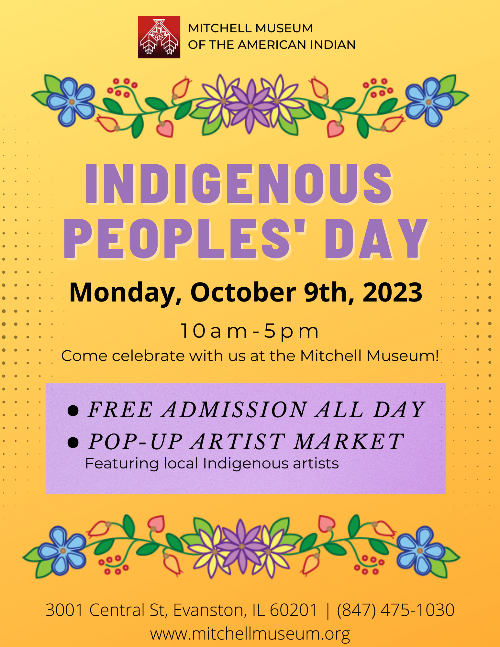
As we learn more about and honor our Native Peoples, it’s important that we and our children are also aware of indigenous struggles, resilience, and victories. We can also find local events that feature Native Peoples and then ideally support those events that give back to the Indigenous community. Chicagoland fortunately has a wide range of cultural destinations. The Mitchell Museum of the American Indian in Evanston has an event today:
We also have the Trickster Cultural Center in Schaumburg which focuses on contemporary art to educate beyond the romanticized nostalgia and acknowledge the “state of Native America today as a living, breathing culture”. Visit their
website for information about their exhibits and events.
Show Representation
Mainstream culture often presents native peoples as fierce, war-like, and to be feared, or sometimes in a more romanticized, puristic way. Children absorb these kinds of stereotypes through sports mascots, books, movies, and even place names. Non-native authors sometimes also unintentionally reinforce stereotypes or conflate different tribes’ cultures and histories.
An easy way to begin is through books that show native people living in our current time period. Young children cannot distinguish between the past and the present and showing Native Peoples in current day settings disrupts the false narrative that Native Americans are a “people of the past.” One of the best sources we’ve found is Rebekah Gienapp’s list of indigenous children’s books.
In addition to reading stories and sharing books with more accurate representation, we can also incorporate books, art, and music created by American Indians. If you’d like some sources to help begin this journey, check out:
Native American Musicians We Should Know
Embracing Contemporary Native American Art as Contemporary Art
Why Study Native American Literature
Meet Indigenous Speakers and Learn How They’re Keeping Their Languages Alive
Through their own words, music, performance, and advocacy, Native American and Indigenous artists share important insights into their hopes, fears, traditions, and stories. In the process of taking in more respectful representation, our young people can offer more acceptance and experience more genuine appreciation.
On this Indigenous Peoples’ Day and every day let’s take time to continue to learn from, with, and about others. In this way, we can help our young people feel seen, known, and empowered for who they are.