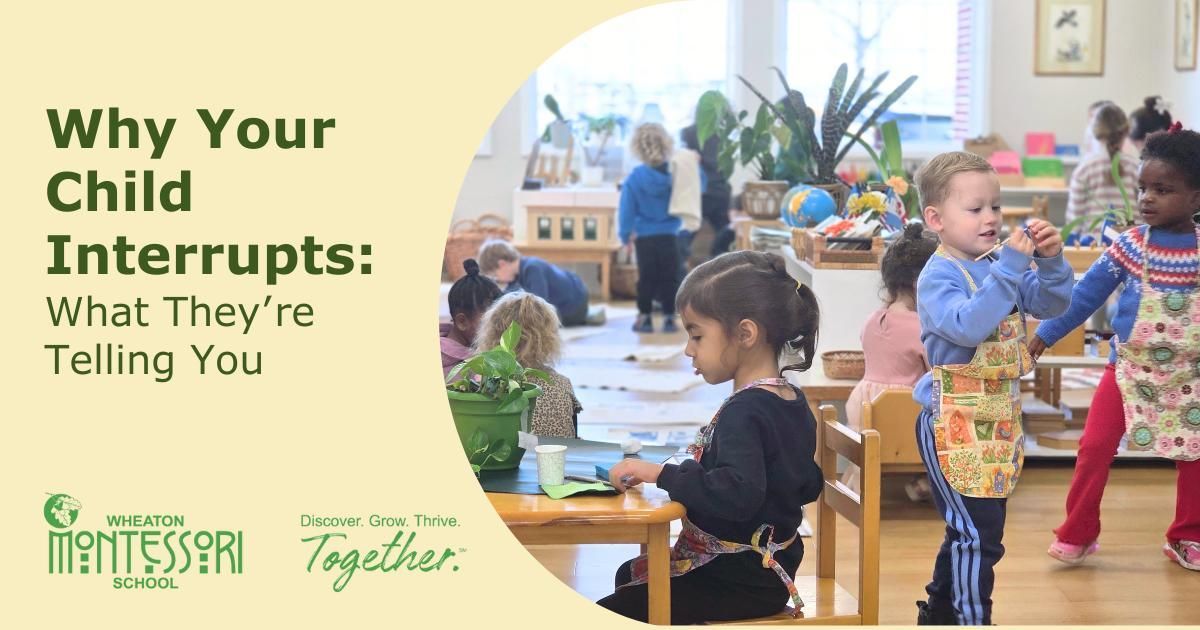
We all know that moment: you answer a phone call, you catch up with a neighbor, or you finally sit down to rest. Then your children suddenly need you. They seem to appear out of nowhere: asking questions, demanding attention, or starting a squabble with a sibling.
While these moments can feel frustrating, they actually reveal something important: your child is seeking connection and security. When your attention shifts to someone or something else, your child may feel that their access to you (their safe, familiar center) is threatened.
From our perspective, this isn’t misbehavior. It’s communication. Your child is expressing something along the lines of: “I need to know I still belong, even when you’re busy.”
Laying the Groundwork: Connection Before Independence
The best way to prevent these interruptions isn’t just to set limits but to strengthen the strong connections you have created before they’re tested.
Time
Create small moments for your children. They don’t need to be elaborate. Think about the little things, like taking a short walk together, reading a favorite book, or making breakfast side by side.
Be fully present when you can
When you are spending time together, let your phone stay out of reach. This quiet modeling communicates, “I’m really with you.”
Invite responsibility.
Children gain confidence and feel important when they have real contributions at home. Even small tasks, such as helping feed the pet, folding napkins, or assisting a sibling, can help them feel grounded in their role in the family community.
Our Strategy
Children thrive when they can predict what will happen next. If phone calls are a recurring challenge, you can prepare your child by practicing in advance.
Choose a calm time to introduce the idea:
- “Sometimes I need to talk on the phone. While I do that, you choose an activity to work on until I’m done. Then I’ll come back to you.”
- Together, brainstorm activities (a favorite puzzle, coloring book, or quiet game).
- Then practice through role play. Pretend to answer the phone while your child goes to their activity. When the “call” is over, reconnect warmly: “You waited by doing your activity. I see your patience!”
- Switch acting roles so you get to giggle!
During real calls, you can offer gentle physical reassurance (perhaps a quick hug or a touch on the back) without engaging in conversation. This small, wordless connection helps your child feel secure while still learning to wait.
Modeling Respect for Boundaries
Over time, your child learns an important lesson about how love doesn’t disappear when attention shifts. They also learn to respect others’ time and space, an essential soft skill that we can partner with you in developing.
This kind of learning takes repetition and patience. Expect your child to test the limits now and then, especially in the beginning. But each time you calmly follow through, you’re helping your child build emotional independence, self-regulation, and respect for others’ boundaries.
Curious to learn more about how we at Wheaton Montessori School think differently about children’s behavior?
You’re invited!
What: Open House
When: Thursday, January 15, 2026, 6:00 p.m.
Explore our academic curriculum, from early childhood through the freshman year of high school, and connect with our expert teachers and school community. Tour our campus, natural playscape, and conservation areas.
Current families with children of all ages RSVP:
https://calendly.com/wheaton-montessori/open-house-2026
Prospective Families with children ages 4 ½ and under* RSVP:
https://calendly.com/wheaton-montessori/open-house-2026-prospective-families
*2026 Summer and Fall Openings
Openings are available only for new students under 4½ years of age and for current students to re-enroll. The waitlist for the
2025–2026 school year (kindergarten through freshman year of high school) is closed. Exceptions may be considered for students transferring from AMI-accredited Montessori schools with continuous attendance.