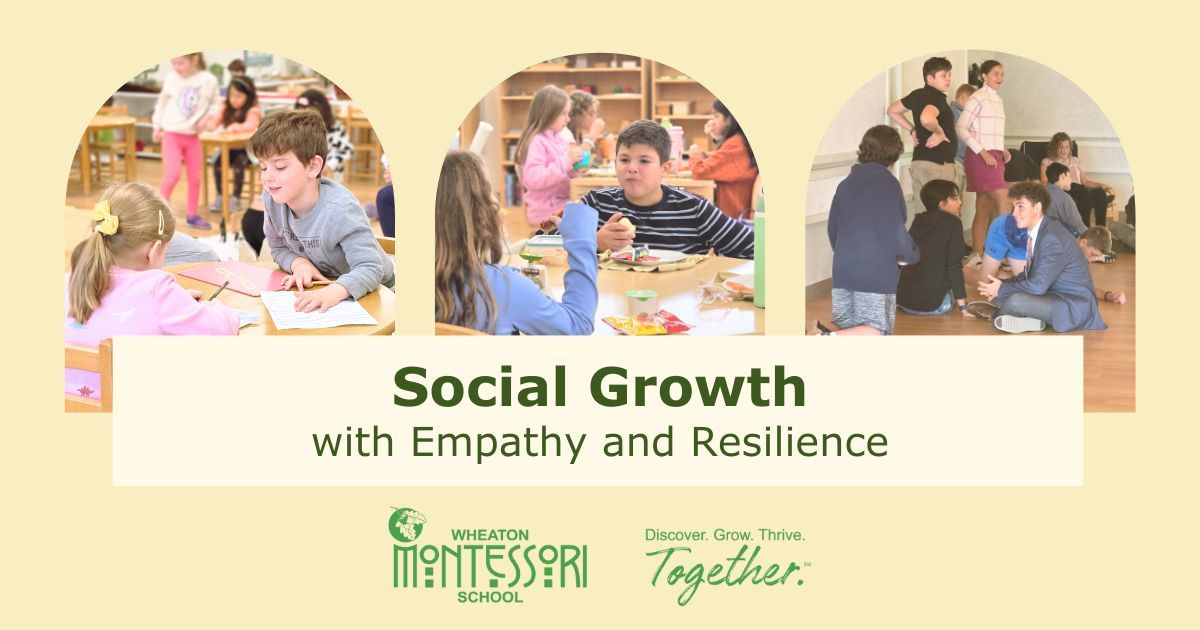
Childhood and adolescence is full of exciting growth and will have tricky social situations. Children are learning how to communicate kindly and effectively, make and maintain friendships, manage their emotions, and solve problems, all while figuring out their place within the community. It’s no surprise that challenges arise.
As parents and caregivers, our instinct is often to protect our children, especially when they come home upset or struggling. Our children sometimes need to vent and be comforted to move past upsets. Sometimes they want or need support to follow while protection is necessary in matters of safety and wellbeing, it’s not always possible—or helpful—in emotional growth. One of our hardest tasks in raising children of any age is to support them through their discomforts and weather them smoothly. Instead of sparing them from all moments like their growth is fragile, let’s take these opportunities to support problem-solving, resilience, and compassion.
Common Challenges
Throughout their childhood, children will face a series of challenges with their peers. As children experiment with language, they also experiment with the impact of their words. Silly “potty talk” might elicit a laugh from peers one day, but be upsetting another time. Tweens and adolescents may experience turbulence around group Halloween costumes. Challenges like this are not signs of failure. Rather, they are a normal part of learning how to relate to others.
Key Steps for Supporting Emotional Growth
Step One: Regulate Our Own Emotions
Children are highly attuned to our feelings. Before acting, it’s best to give ourselves time to process. This pause helps us avoid acting out of frustration and gives us space to see the bigger picture.
Step Two: Validate Our Child’s Feelings
Resist the urge to jump straight into fixing. Instead, focus on empathy and validation:
- “I’m so sorry that happened.”
- “That must have felt really unexpected.”
- “How are you feeling right now?”
This kind of acknowledgment lets your child know their emotions are normal and safe to express. It’s important to keep ourselves neutral, though. Our children don’t need us to absorb their emotions. Rather, they need a safe space to feel and express themselves without our emotional reactions. They also don’t need us to magnify their discomfort. They need to feel our steady confidence that they can handle this feeling, however uncomfortable.
Step Three: Support Problem-Solving Skills
Problem-solving is learned through practice and experience. Our children and adolescents need us to model and support their process. Here is a simple four-step approach:
Brainstorm: Work with your child to come up with two or three strategies. This is most effective when you keep the specific skill you want them to learn in mind (e.g., advocacy, making friends, respecting personal space). Older children and adolescents can often come up with their own strategies to share with you.
Model: Show them what the strategy looks like. With young children, humor, stuffed animals, or role play can make this engaging. With adolescents, subtle or inferred support is often more readily accepted.
Practice: Give your child or adolescent time to rehearse, just as one would when practicing a sport. Offer encouragement and feedback for younger ones, while recognizing that adolescents may prefer a quieter form of connection, even as they navigate their strong peer identities.
Plan: Together, choose one strategy to try for a few days. Reflect on progress and create a “Plan B” if needed.
This approach not only teaches social skills but also builds flexibility, persistence, and confidence.
In both situations, it can help to let your child’s classroom teacher know what is happening at home. Keep in mind, though, that sometimes children simply want to vent — this offloads their discomfort to us as their caregivers. When that happens, you might gently respond, “This sounds like something your teacher can help you with tomorrow.”
Social dynamics shift quickly, and young people often live in the moment more easily than we do as parents. If you feel uncertain, please reach out to teachers promptly when concerns arise so they can provide context, support problem-solving in real time, and keep an extra eye out. Your children are loved here, and we deeply value their friendships.
Compassion and the Bigger Picture
It’s natural to feel protective when our children experience social challenges. The skills our children learn (such as problem-solving, advocacy, and empathy) extend far beyond the classroom. They prepare our children to thrive in diverse communities, workplaces, and future relationships.