Montessori Myths: Balancing Teacher Guidance & Exploration
Rebecca Lingo • October 27, 2025

A common misconception about Montessori education is that it is entirely child-led. This couldn’t be further from the truth! Certainly, children feel like they are in the driver’s seat of their education, and that’s by design. Behind the scenes, Montessori-trained teachers are skillfully guiding children through carefully sequenced lessons, ensuring they encounter and master all of the subject areas, strands, and standards.
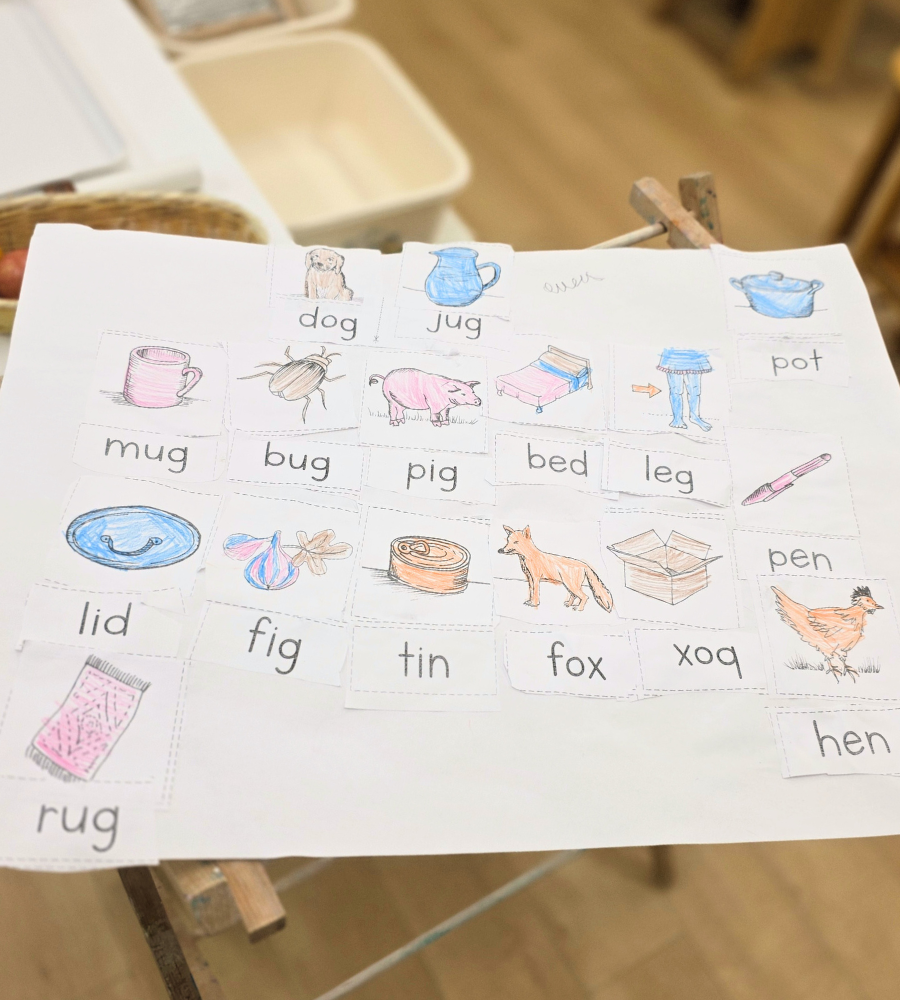
The true gift of Montessori education is that it unifies direct instruction and hands-on learning. Direct instruction means children receive explicit, structured, teacher-led lessons focused on clear objectives and skill mastery. Hands-on learning, on the other hand, is where children engage deeply with materials and ideas, learning concepts through direct experience rather than passive absorption. This dual approach is always tailored to the needs and skillset of each child. every child has their own individualized education plan seamlessly built into the Montessori model.

The Power of Hands-On Learning


At Wheaton Montessori School, classrooms are alive with children learning through action. Instead of simply listening to a teacher or reading about an idea, children are actively engaged with beautiful materials that invite exploration and educational information to be discovered. 
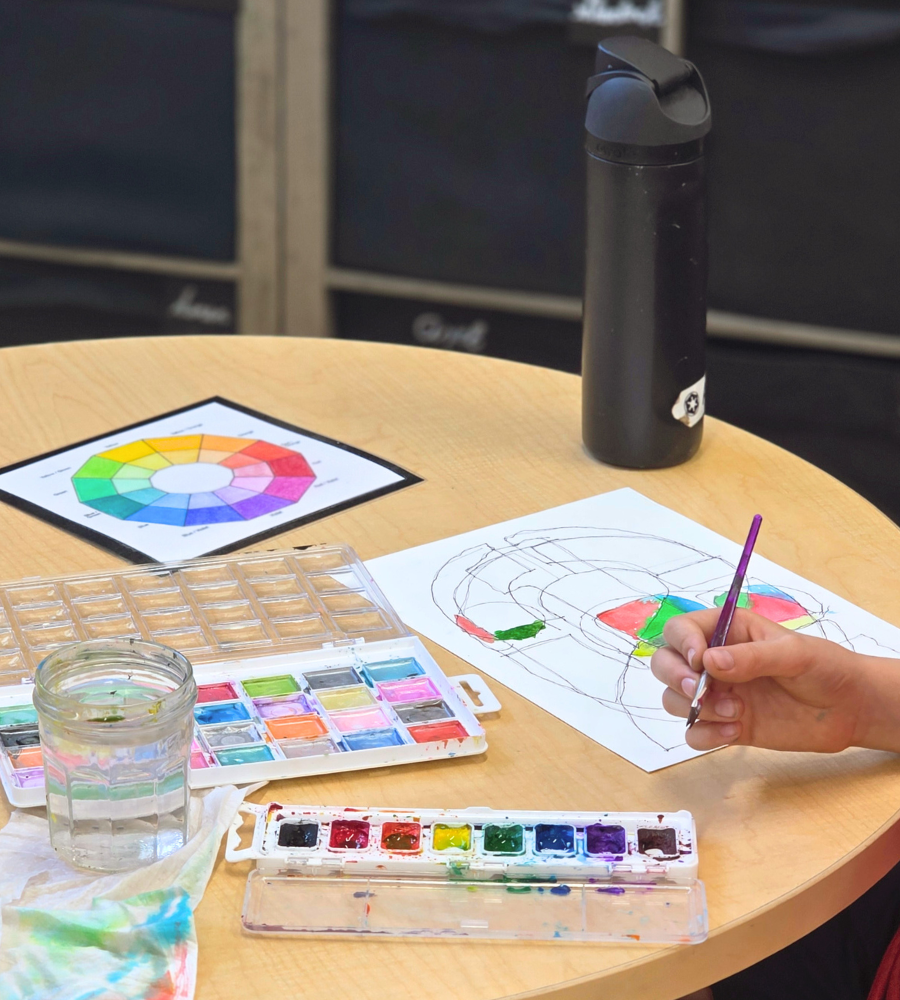

They build, count, measure, and experiment, discovering concepts in a way that feels natural and meaningful. Learning is not abstract. It is concrete, tactile, and rooted in experience.


Our approach has profound benefits. Children who learn through active engagement develop a deeper understanding because their brains are making strong connections between what they see, touch, and do. They also grow as problem-solvers because they are encouraged to try, adjust, and try again when faced with challenges. 


The process itself is motivating, which means children stay engaged and joyful in their work. Along the way, they learn daily life and social skills. Because children are learning through experience, the knowledge they gain sticks with them, building a lasting foundation.


The Role of Direct Instruction


At the same time, children are engaged in hands-on learning, and our highly specialized teachers provide an essential framework through carefully designed lessons. This is not free-for-all learning. Rather, it is a highly structured and intentional process. Teachers give clear, step-by-step presentations that introduce new concepts or skills. These lessons are sequenced in a logical and developmental order, ensuring that children build on what they already know and are ready for what comes next. Even better, these lessons are given one-on-one or to small groups, to tailor to individual children’s learning needs and styles at all grade levels.


During these lessons, children first practice with the teacher’s guidance and support, which allows for immediate assessment and specific feedback that helps them grow, improve, and execute better. Often, the assessment indicates that the student is on the way to making the ideal discovery themselves here. 
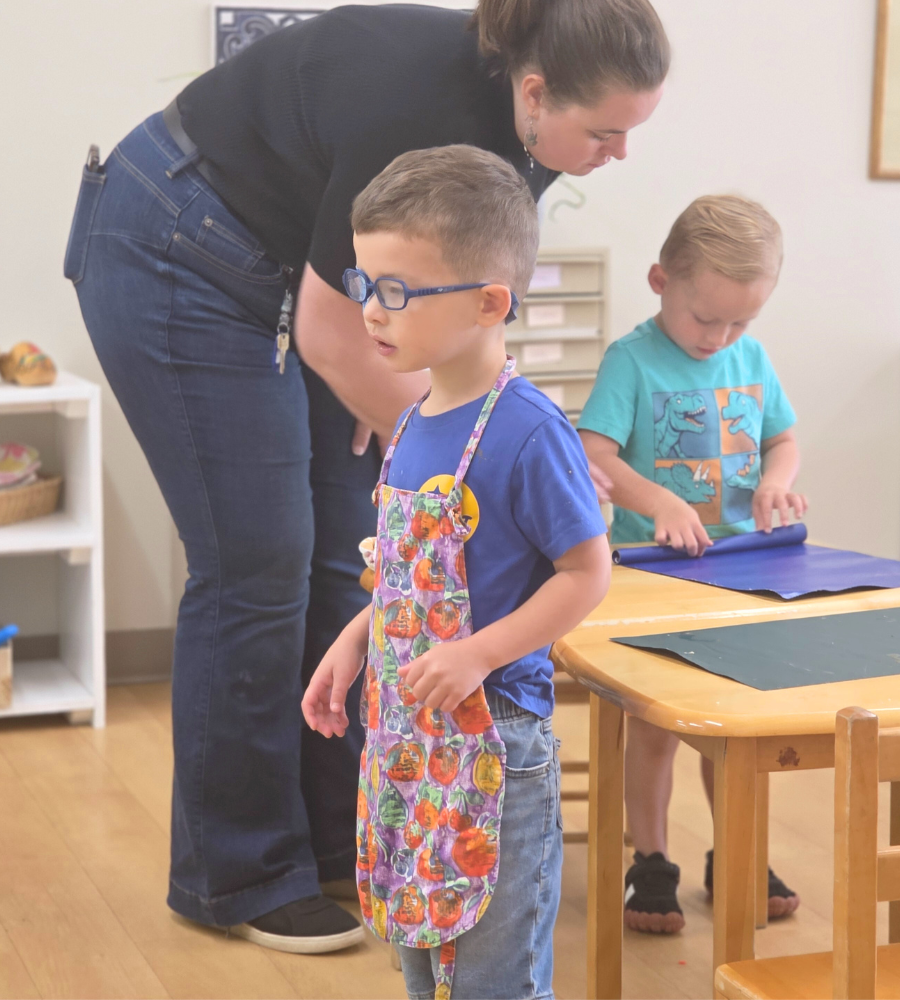

They continue working independently or with guidance as needed, applying what they’ve learned at their own challenging pace and in their own way, with highly specialized teachers observing to encourage ongoing learning, personal insight, and forward momentum. This direct instruction is especially valuable when children are new to a subject, or their skills are accelerating. It provides clarity, reduces confusion, and builds confidence. This structured approach leads children to achieve true mastery and ensures they are well-prepared for more advanced work in school and beyond.


Hands-On Learning and Direct Instruction


This design allows children to feel ownership of their learning while also benefiting from the expertise and intentionality of their teachers. The result is an education that is joyful, engaging, and deeply effective. Students at Wheaton Montessori School grow into curious, capable, and confident learners who know both the satisfaction of discovery and the security of guidance.


Your children’s classrooms are designed to offer clear guidance and joyful discovery. See for yourself how this balance supports children’s growth and confidence at Wheaton Montessori School. 

How Your Young Children Learn and Why It Matters
By Rebecca Lingo February 23, 2026
How Your Young Children Learn and Why It Matters Your young children learn by actively constructing themselves through purposeful work. From birth through age six, learning is not passive or instructional. It is driven from within your child, supported by responsive adults like you and all of my colleagues. This internal passion to learn is also boosted through the campus design and surroundings. Every movement, repetition, and exploration is meaningful work that builds the child’s body, mind, language, and sense of self. How learning happens Active construction through work: Your young children learn by doing. Don’t we all! Movement, using the hands, exploring real materials, and repeating challenging tasks are how the brain develops. This work must be meaningful and appropriately challenging, not busy work. Movement and the hand: Development of walking, balance, and refined hand use is foundational. Your children of all ages need freedom to move and manipulate real objects to fully develop coordination, concentration, and foundational academics like writing and adding. Language through relationship: Language develops through reciprocal human interactions. Rich spoken language, conversation, naming the world, and storytelling are essential. Wheaton Montessori School eliminates screens and background noise to highlight communication. Sensorial exploration of reality: Your children learn the world through their senses. Touching, comparing, carrying, observing, and interacting with real things builds the foundation for imagination, reasoning, and abstract thinking later. Authentic Montessori immerses us in exploration and discovery. Sensitive periods: Your children pass through brief, powerful windows of heightened interest and ability, such as for language, movement, social behavior, etc. Wheaton Montessori School teachers observe and offer the right experience at the right time. Learning happens easily and joyfully and feels like play! Concentration and normalization: When your children are connected to meaningful work that they choose themselves and repeat, they develop deep concentration, self-regulation, delight in effort, and care for others. Why This Is Important Early experiences shape lifelong learning: Early experiences lay the neurological, emotional, and social foundation for everything that follows. Missed opportunities are harder to recover: Skills learned during ideal stages are acquired with ease. When these periods are missed, learning later requires more effort and frustration. My colleagues are passionate about tailoring lessons and their classrooms to match child development (and adolescent development, too!) Strong foundations support later independence: Your children deserve rich early support leading to confident, capable, socially aware, and academically prepared people. Well-supported children become well-adjusted humans: This approach supports not just academic readiness, but the development of secure, courteous, empathetic children who care about their community and the world. In short, your children learn best when they are trusted as active learners, supported by attentive adults, and given real, challenging work at the right time. Investing in this early foundation supports not only your child’s success in school, but their lifelong well-being and ability to thrive.
Be Quiet and Sit Still
By Rebecca Lingo February 16, 2026
At Wheaton Montessori School, your child is guided by highly trained professionals who deeply understand child and adolescent development. Every day, thoughtful structures and intentional practices support students in using their intellect, curiosity, time, and choices successfully, so they can grow into capable, self-directed individuals. Dr. Maria Montessori never equated being “good” with silence or stillness. Our teachers do not equate being well-behaved with being quiet and sitting still. In fact, like Dr. Montessori, we believe that movement, communication, and social interaction are essential to learning. When you observe a classroom at Wheaton Montessori School, you’ll see exactly that: children moving purposefully, talking with peers, collaborating, and responsibly managing their academic work throughout the day. What may look like “freedom” on the surface is actually built upon a strong underlying structure. Students experience a sense of choice, what to work on, where to sit, how long to engage, and who to collaborate with, because the environment has been carefully prepared to support those decisions. The Power of Structure and Grace The foundation of our campus is made up of proactive lessons called Grace and Courtesy . These lessons explicitly teach students how to: Set up and return materials Respect others’ space and work Ask to observe a peer’s work Acknowledge feelings and resolve conflict respectfully These shared lessons give everyone a common language and reference point for living and learning together. Older or more experienced students model appropriate behavior, creating classrooms full of young teachers, not just the adults guiding the environment. Students always have opportunities to challenge themselves or to take a healthy break. They work and play with materials they are developmentally ready to use, ensuring success while still encouraging growth. Not a Free-For-All: A Thoughtfully Designed Community Authentic Montessori environments are often misunderstood as unstructured. In reality, our campus is carefully designed to meet the developmental needs of preschool children through high school freshmen. The structure is natural, respectful, and aligned with who children and adolescents truly are. We know learners may still experience frustration, regret, and disappointment at times. Those moments are part of learning. When a child sits beside a teacher to regroup, it may feel like a “time out” to them, but it is actually a moment of support, reflection, and connection within a safe community. When challenging behaviors arise, our teachers respond with empathy and expertise. They understand that all behavior communicates a need. Rather than relying on rewards or punishments, teachers may guide a child toward a break, offer work that better meets their developmental needs, or help them return to a centered and purposeful state. Growing Self-Discipline From the Inside Out At Wheaton Montessori School, self-discipline and regulation develop through meaningful activity. Expected behavior grows through practice within a warm, structured community. Curiosity sparks interest, interest fuels focus, and focus leads toward mastery. This process contributes to valorization, your child’s growing sense of confidence, capability, and belonging. Children who feel balanced and respected naturally behave with greater care for themselves, others, and their environment. This sums up Dr. Montessori’s limits in three rules: care for yourself, care for others, and care for your surroundings. The true outcome of this work is human development: your child and adolescent’s identity, agency, purpose, and love of learning. When they understand big ideas and see themselves as capable contributors, they grow in ways that last a lifetime.