Why We Travel with Elementary Students
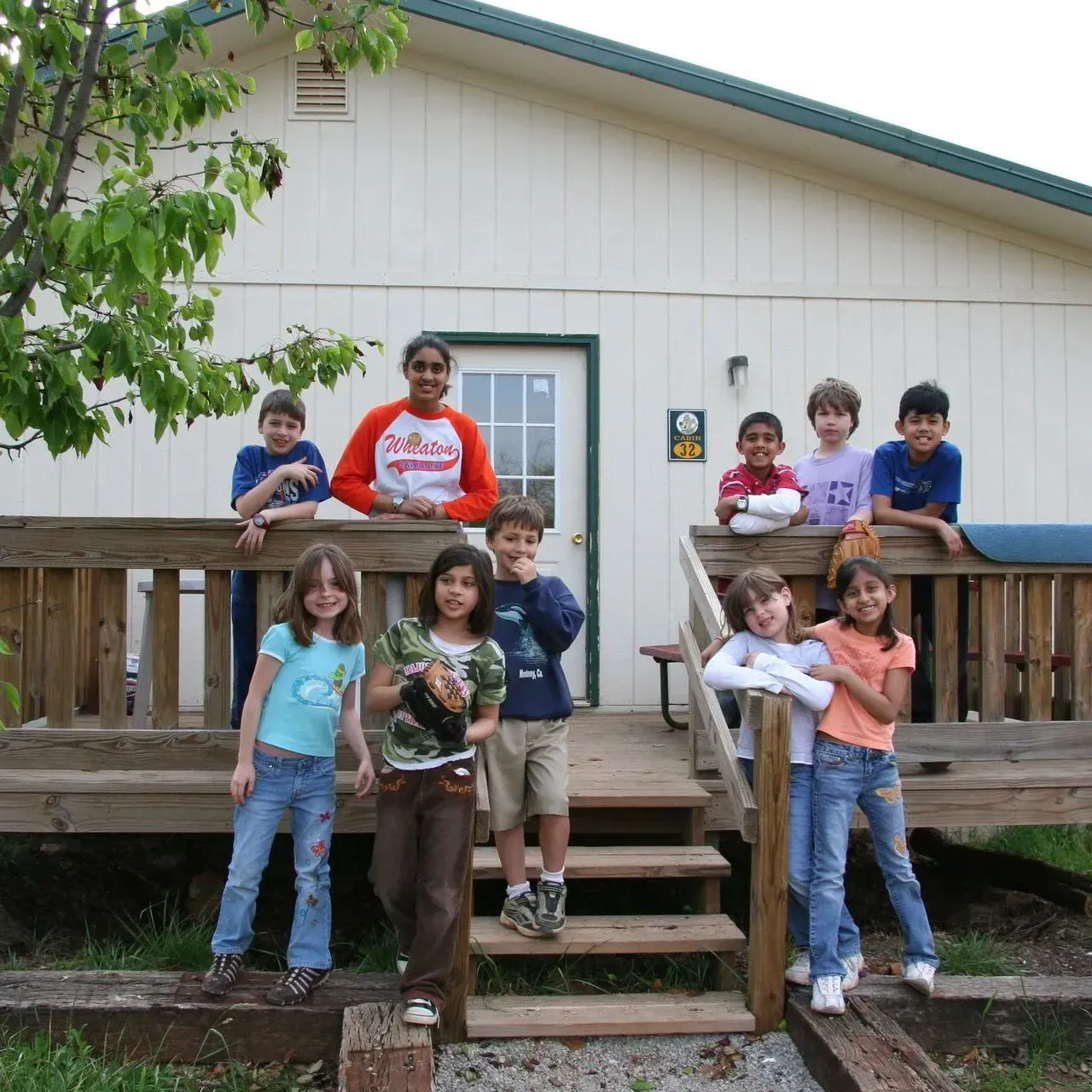
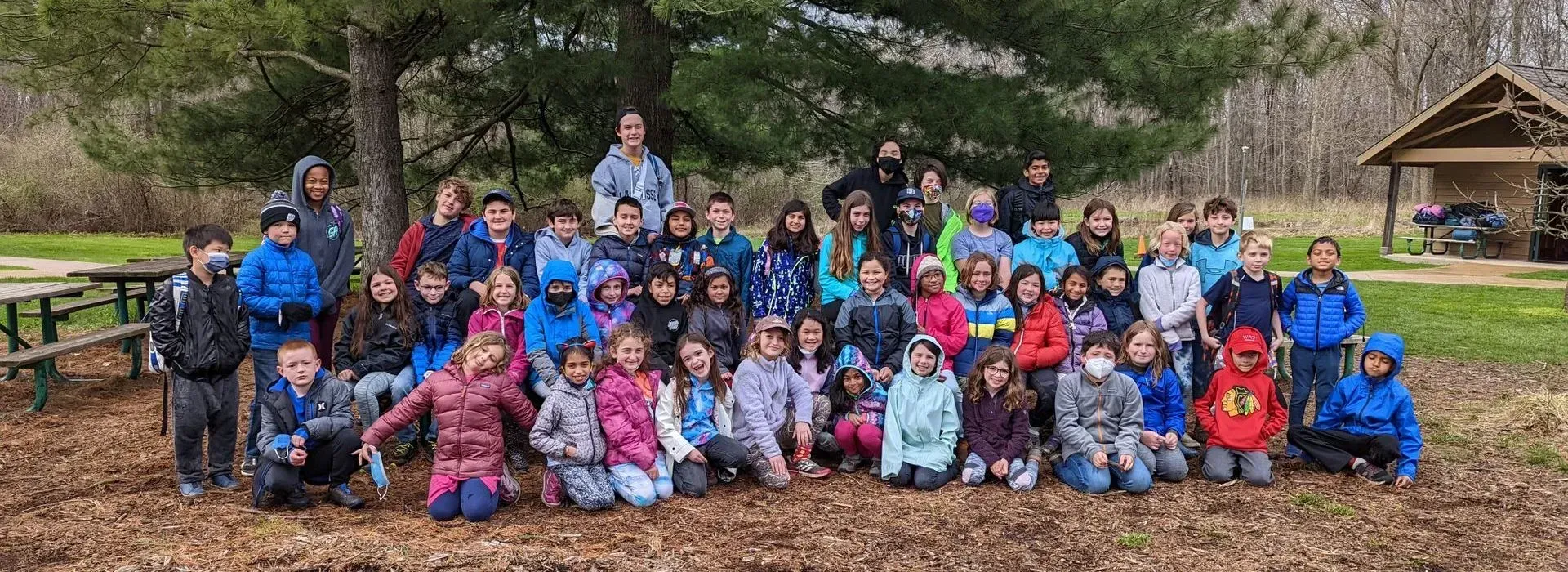
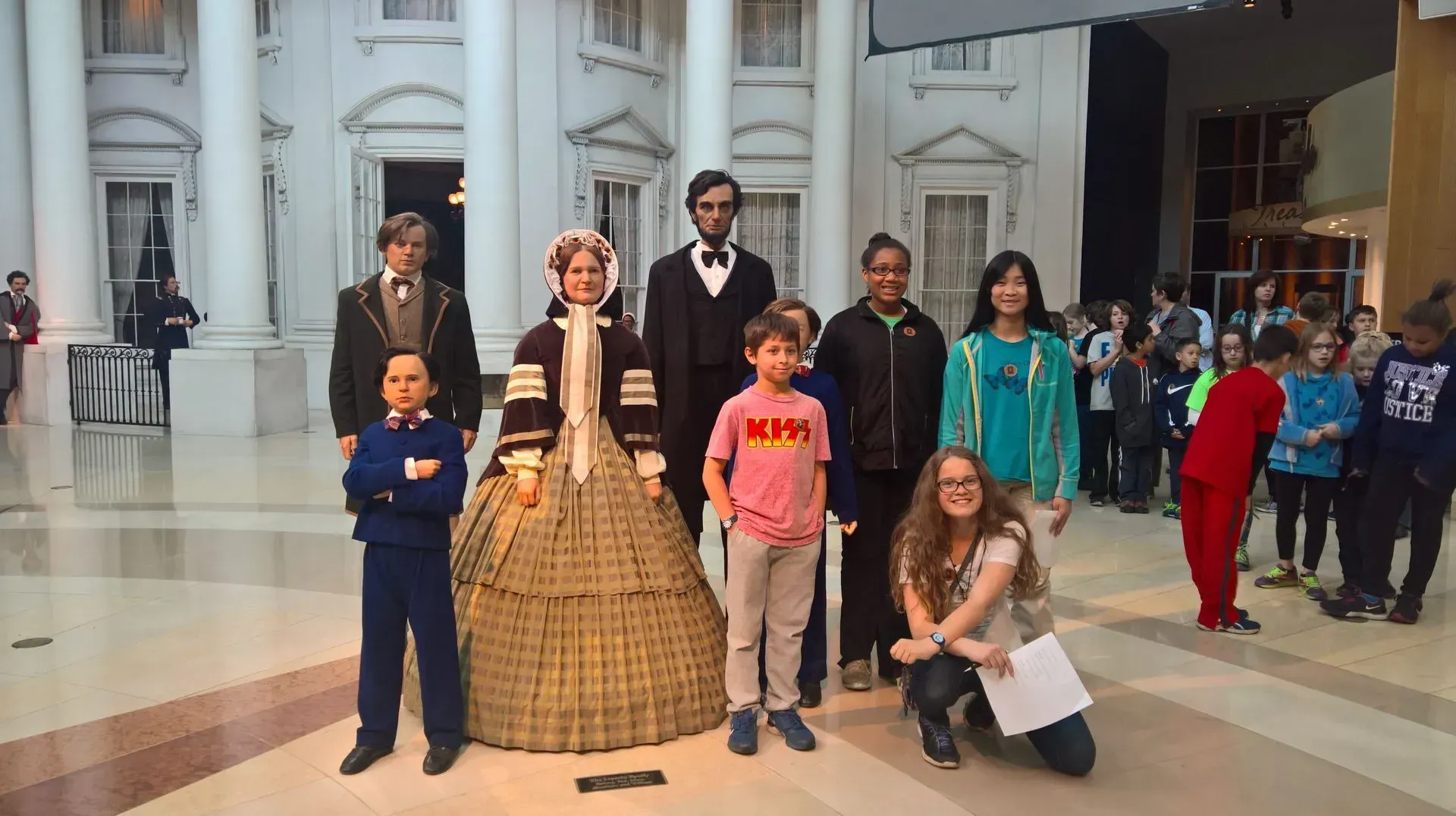
WMS Elementary students have their first school travel experience with the 2-night spring camping trip. Upper El teacher Emily Searcy and Lower El teacher Tracy Fortun took their first group to Mammoth Cave in 2007 (and if you look closely, you'll recognize our own Ivania Rivera on her first camping trip!). As you can see, our trips have grown over the years - in 2007 we had just 10 students old enough to travel, compared with over 40 students who traveled to the Indiana Dunes with us in 2022!
We weren't able to take our camping trips in 2020/2021, but in all we've done 14 camping trips over the years! We've learned a lot about the benefits of taking students on the road. They not only get to visit a new place with school friends, and learn about the natural environment, but they also discover how resilient they are. We often notice that they are walking a little taller when they return from their first trip!
Dr. Montessori observed that the child of 3-6 years old is working toward a personal independence - becoming able to care for herself and her environment. But the child of ages 6-12 is building toward an intellectual independence. The goal of an authentic Montessori Elementary education is for students to recognize that they are valuable citizens of the larger community and that they have something to offer that is worthwhile. Our camping trips are one important way we help them do this!
Where do we go on the first trips?
For the 2-night camping trips, we travel to locations within 2 hours from Chicago. Last year’s trip was to the Dunes Learning Center near Indiana Dunes National Park, and this year we will head to Nature’s Classroom in southwest Wisconsin, near Kettle Moraine State Forest.
Both of these locations are designed as all-inclusive educational environments where school groups receive guided field work and classroom-based lessons about the natural features of the area. The programming, housing, and meals are all provided by the center.
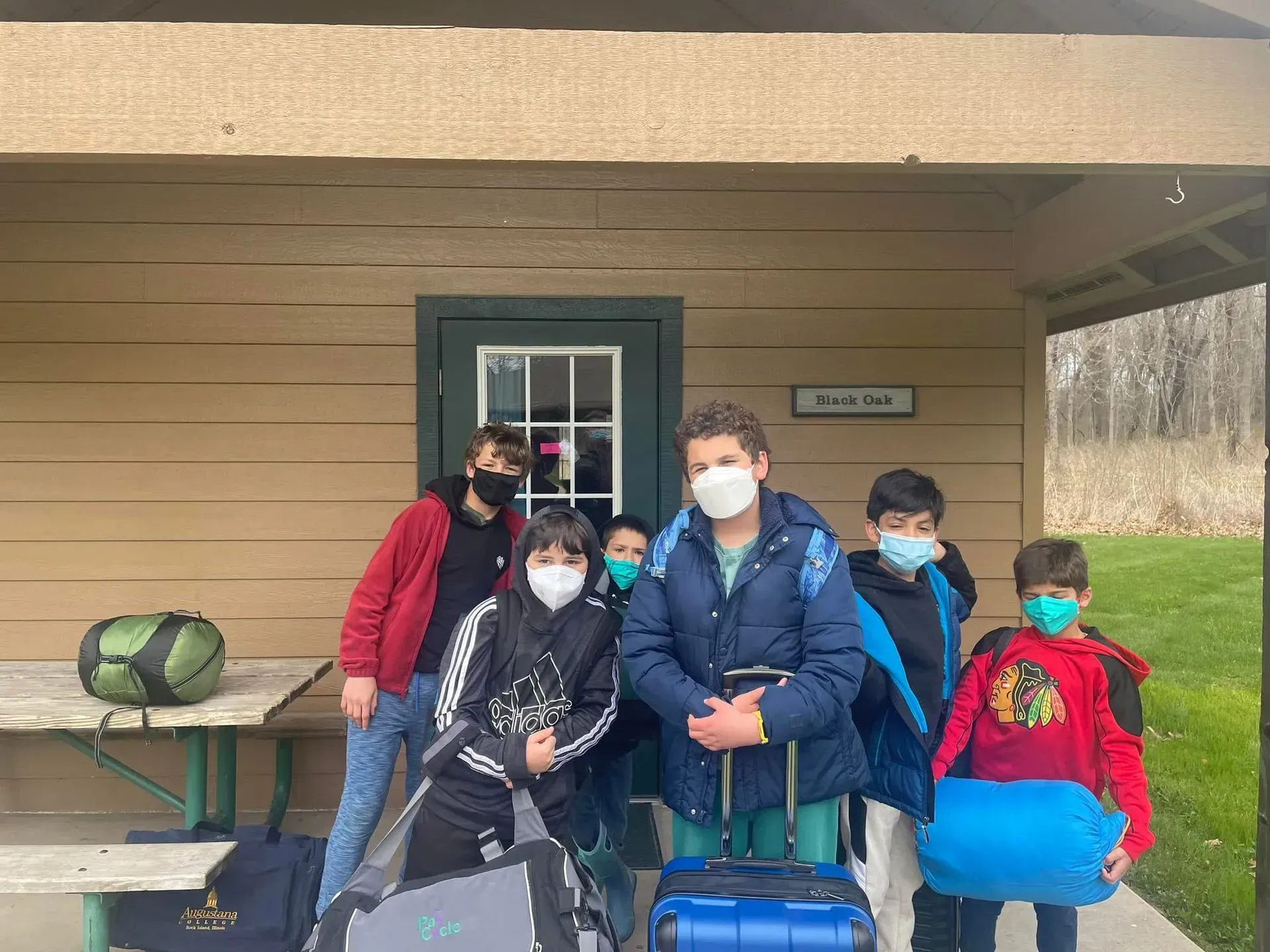
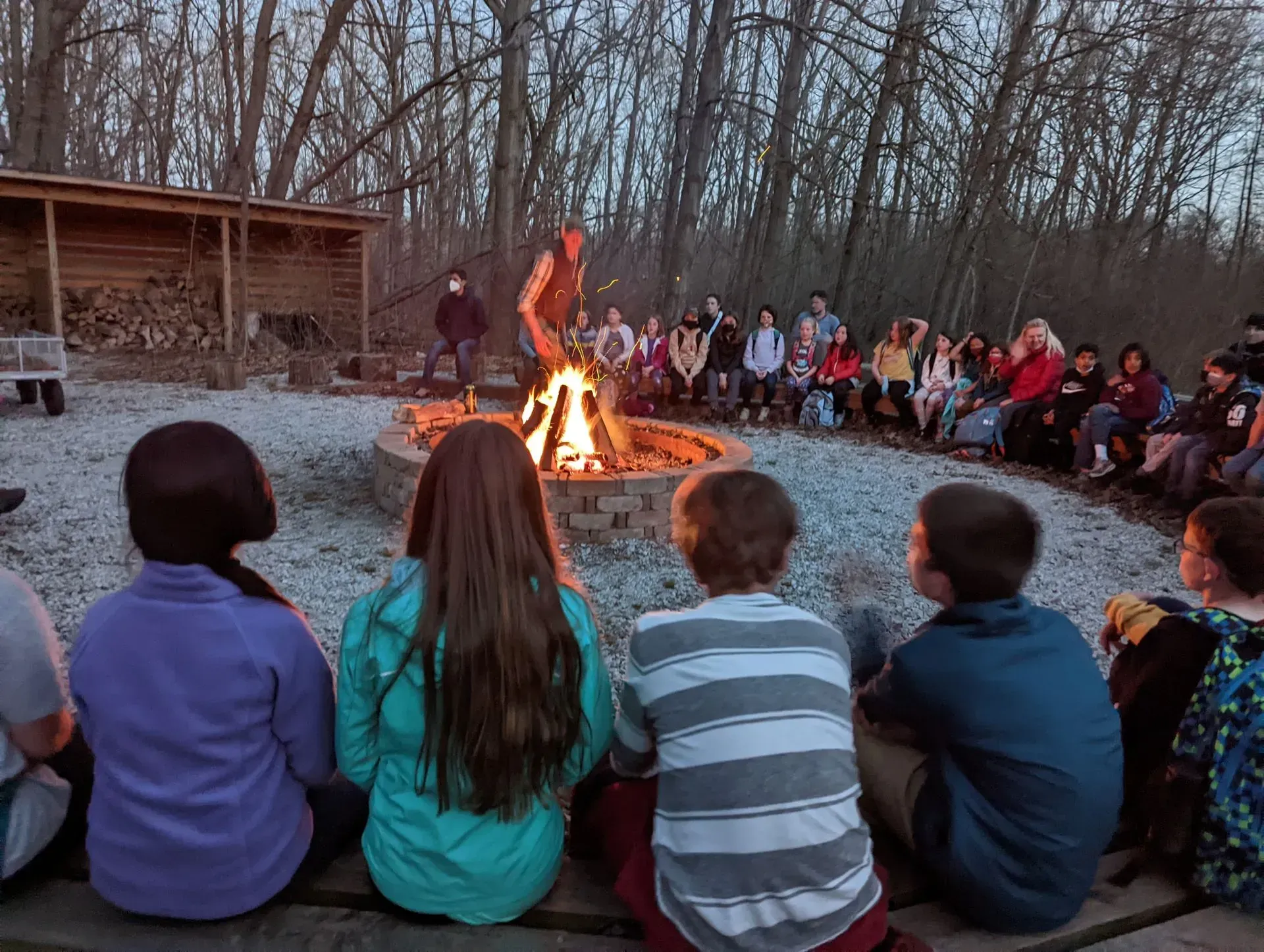
They feature dormitory-style living quarters with bathrooms connected to the bedrooms. Between 6-8 students share a bunk room and a teacher or chaperone always sleeps within earshot. Students are deliberately in mixed-age groupings in the cabins so that older students can provide important coaching and encouragement to the younger ones. (And an adult is always ready to help if needed).
Lower Elementary teacher Suzanna Mayhugh enjoyed her experiences as a chaperone on camping trips. She said, “These second and third graders are gathering information about what they are capable of doing for themselves. ‘Am I a person that can sleep by myself? Make my bed? It also plants the seed of, ‘Do I like traveling? Do I like hiking? Does my mom really make the best spaghetti?’ The best part is when you see the pride in the children’s faces while they did these tasks they have only seen done for them. They are so proud that then when they are asked to take a long hike they say, ‘Oh, sure! I can do that!’”
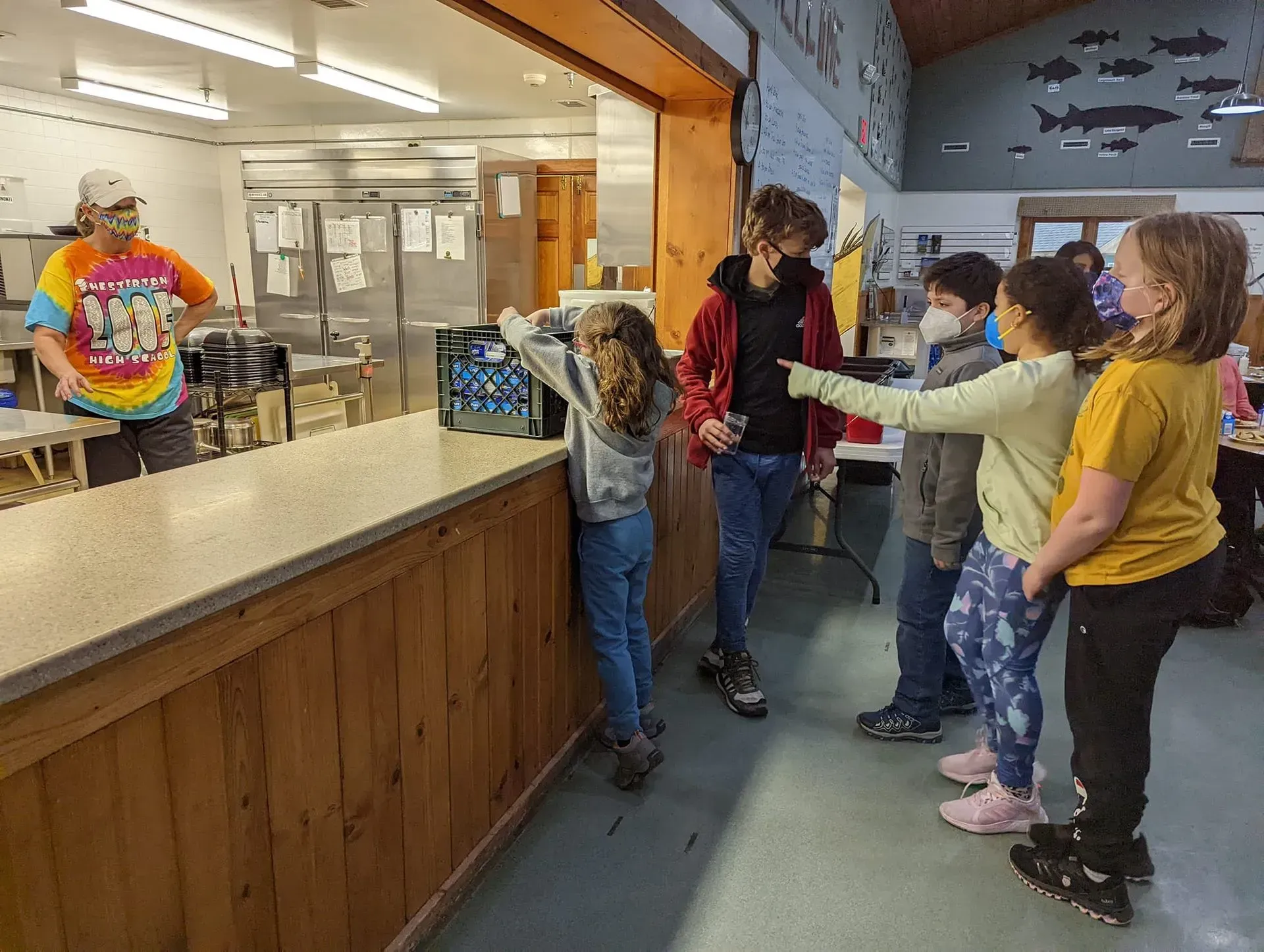
Collaboration between students
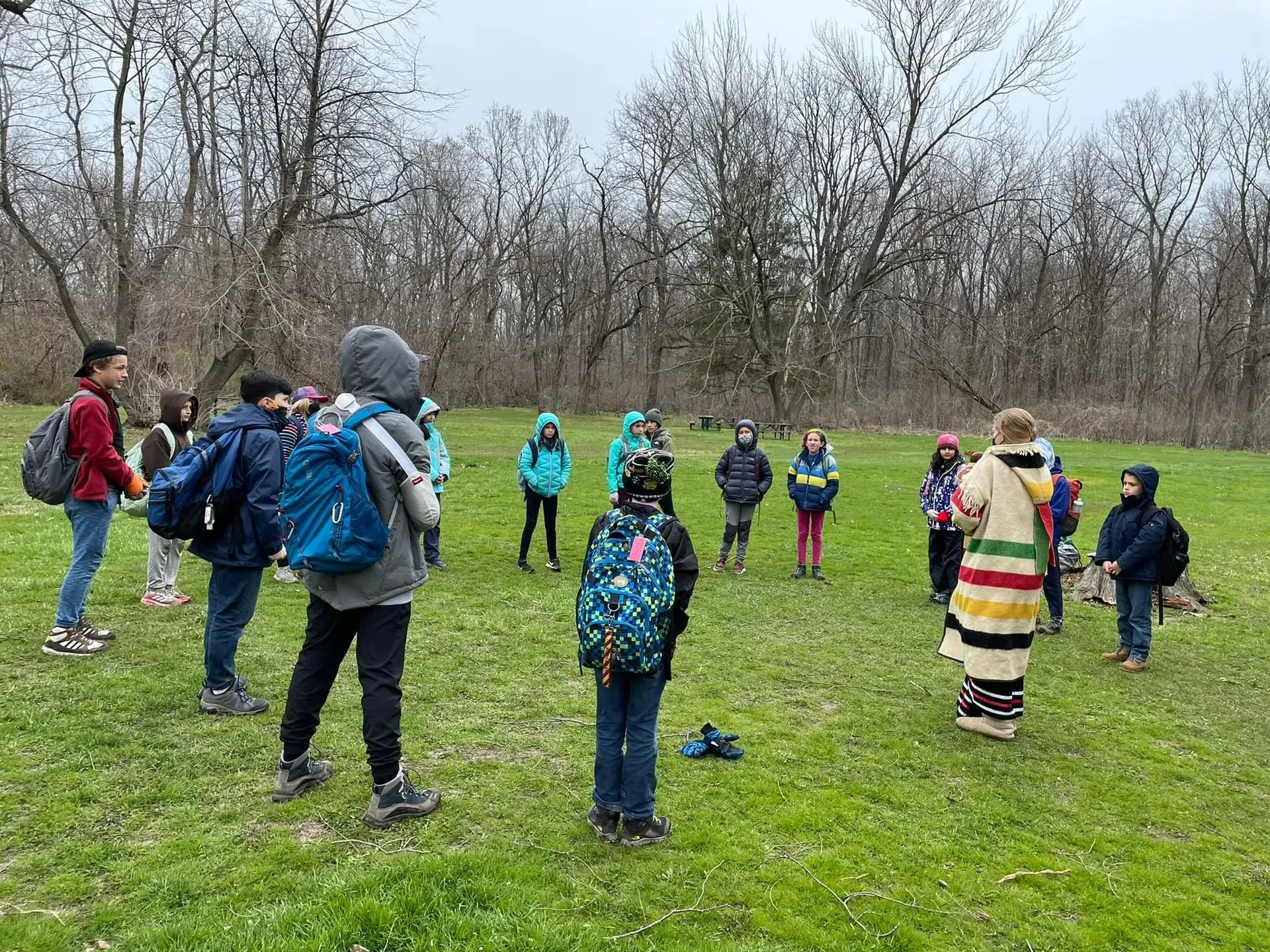
The 2-night camping trip is an important opportunity for Upper Elementary students - the travel veterans - to support younger students taking their first trips.
Upper Elementary teacher Emily Searcy says “The camping trips provide valuable opportunities for older students to model and interact with younger students in real-life situations outside the classroom. They help the younger children to know when to take safe risks, such as encouraging them that they will probably like a new food, or that they will do well on a long hike. Being on this side of the coaching and encouragement is super valuable for the older students.”
She also adds, “Chaperones usually comment on how cohesive and encouraging the community is and how well the students know one another, even across classrooms. ‘These kids really know how to help and look out for each other!’ “
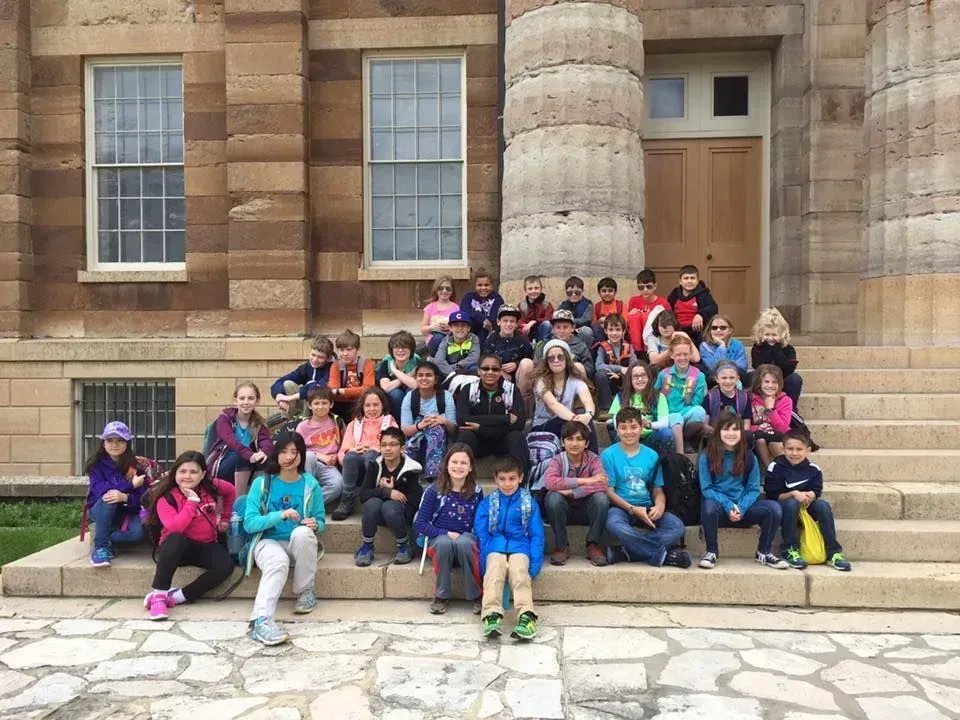
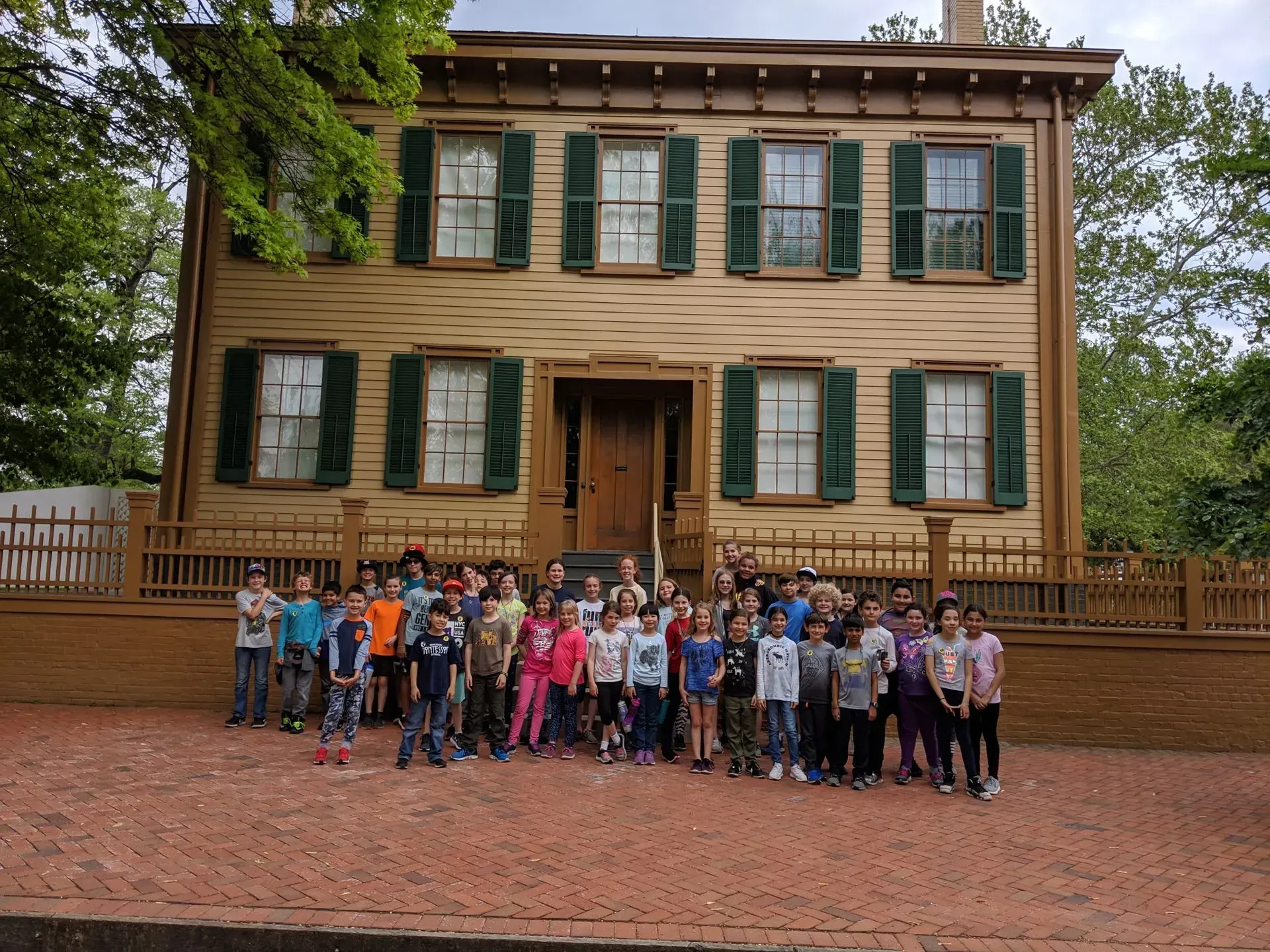
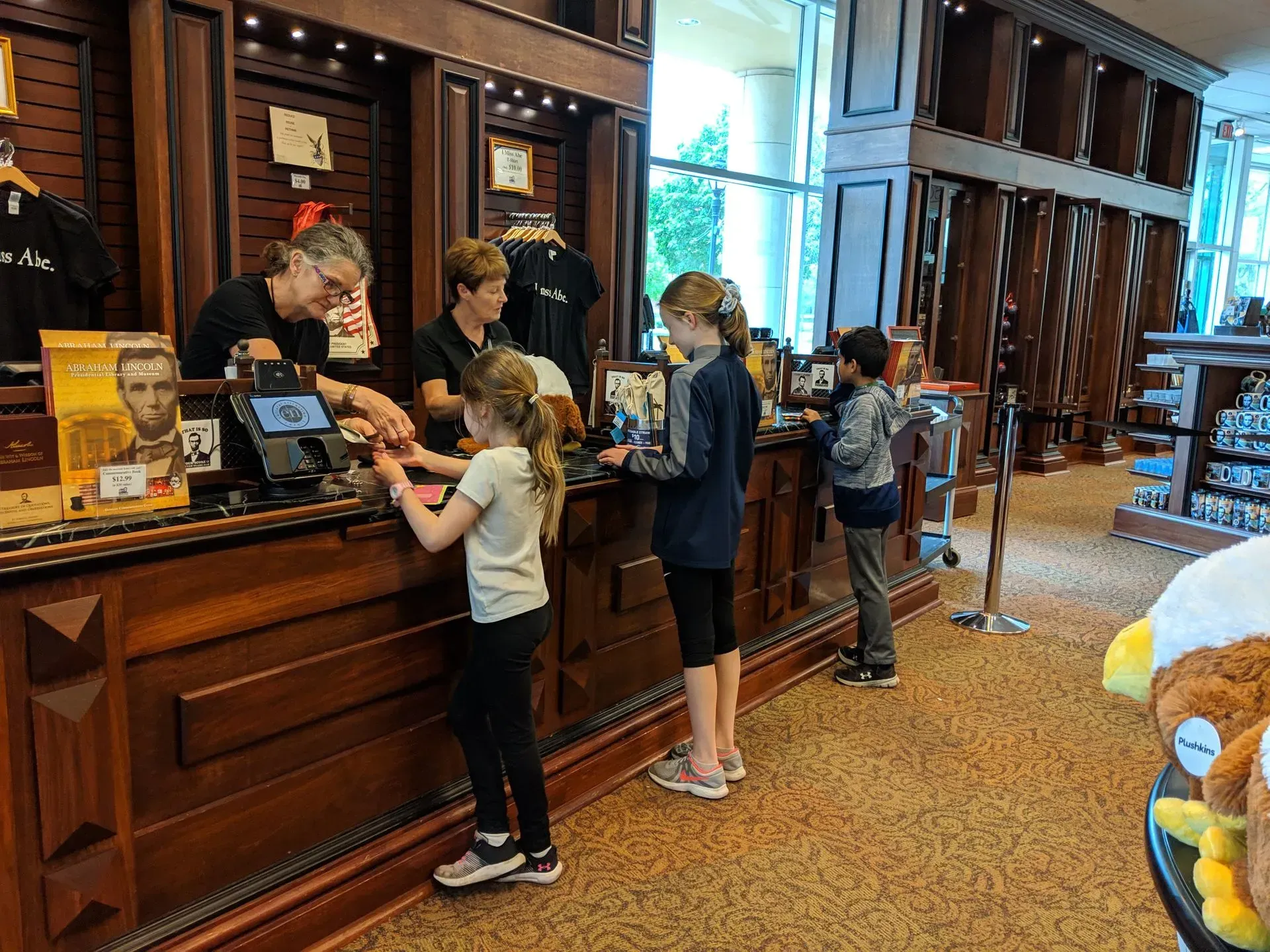
How do we spend our days and what do we learn?
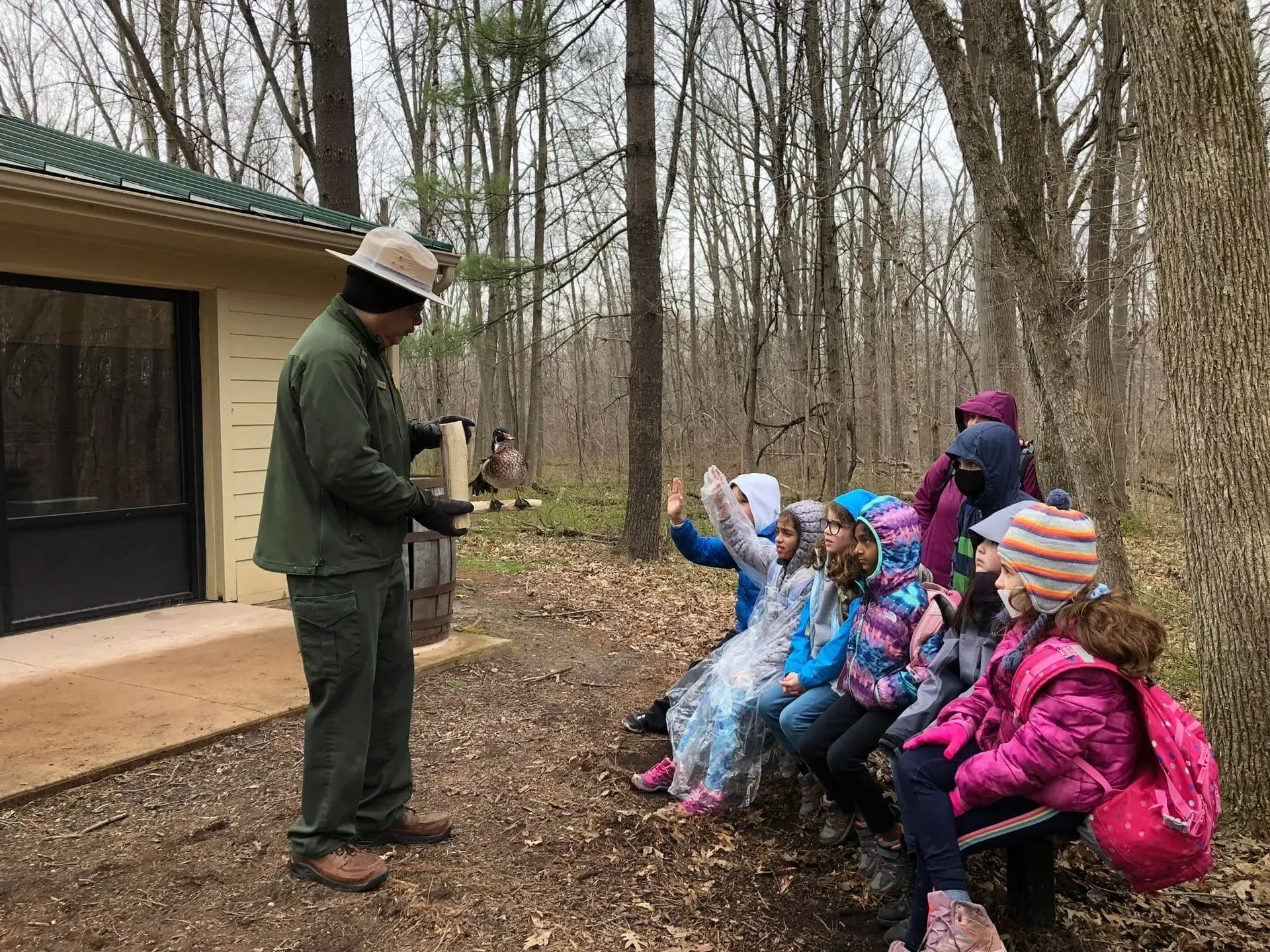
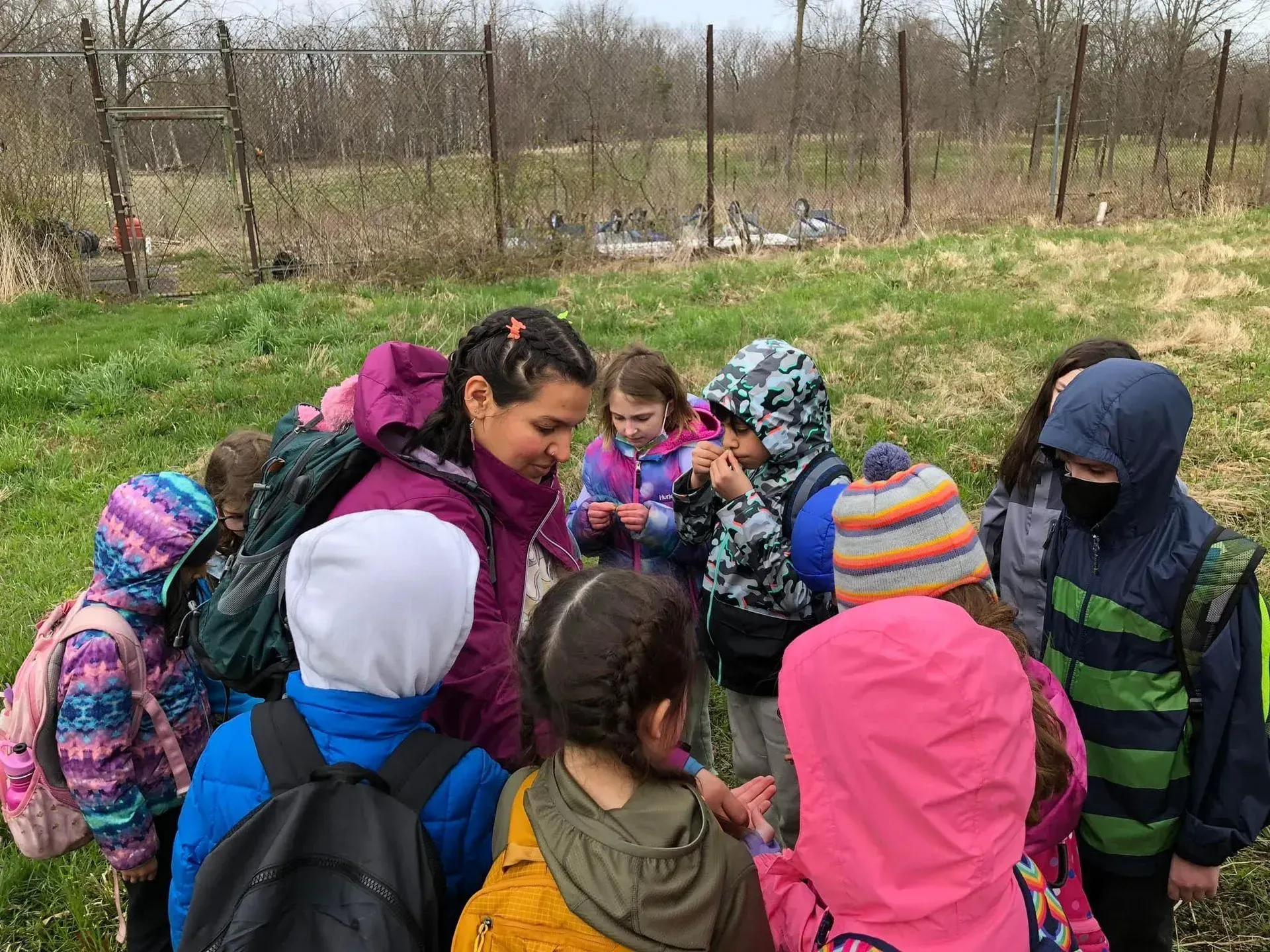
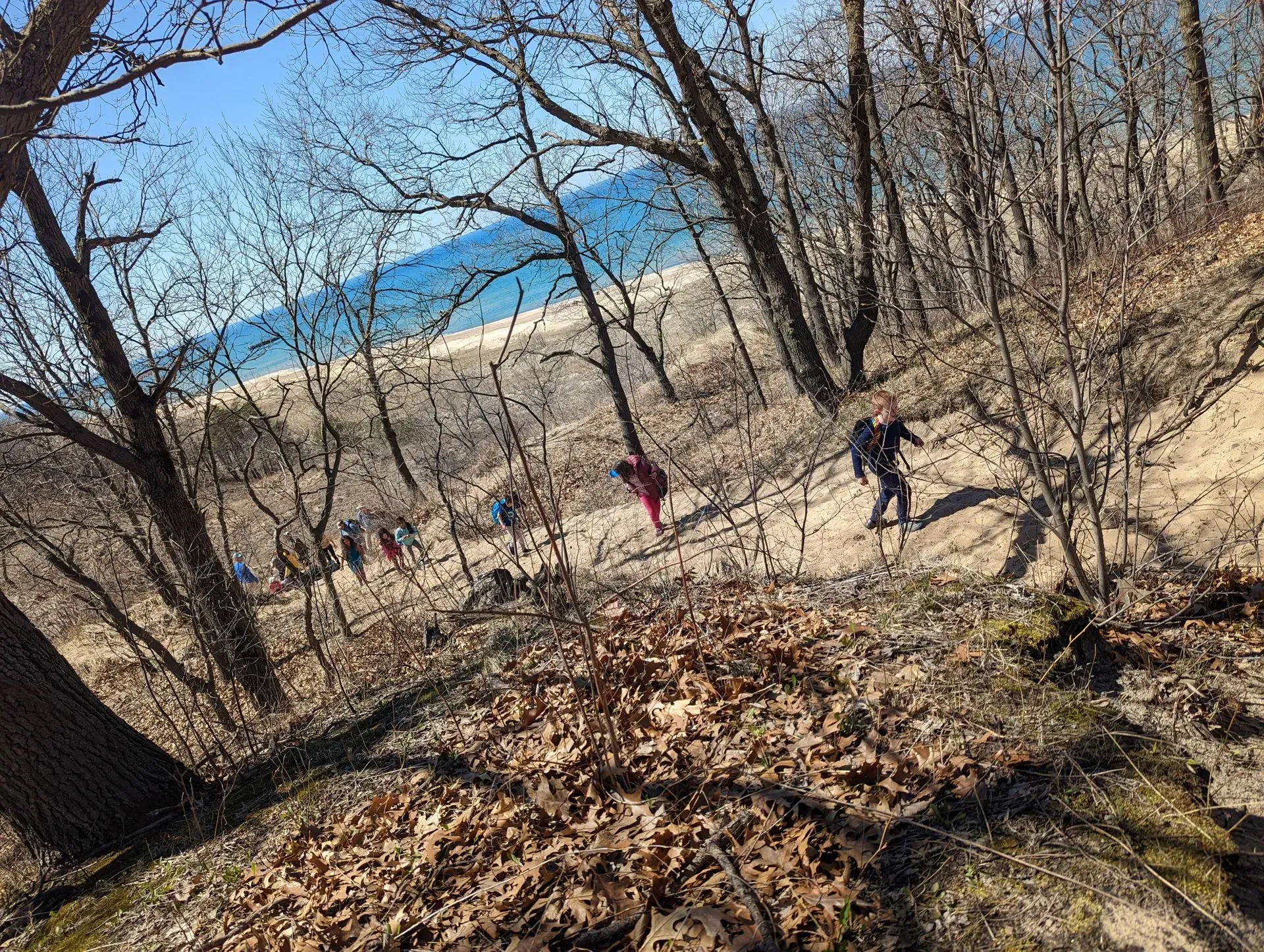
Field excursions provide the bulk of our experiences on school trips. We head into the field in groups led by experienced environmental educators. These guides are typically college graduates in fields like Biology, Ecology, Conservation or Environmental Science. They are specially trained in guiding the children’s exploration and looking for specimens along the way to highlight important concepts. On this particular trip, we observed the changes as we walked through the Eastern Deciduous Forest, Wetland, Oak Savanna Woodland, Foredune, and Open Beach ecosystems.
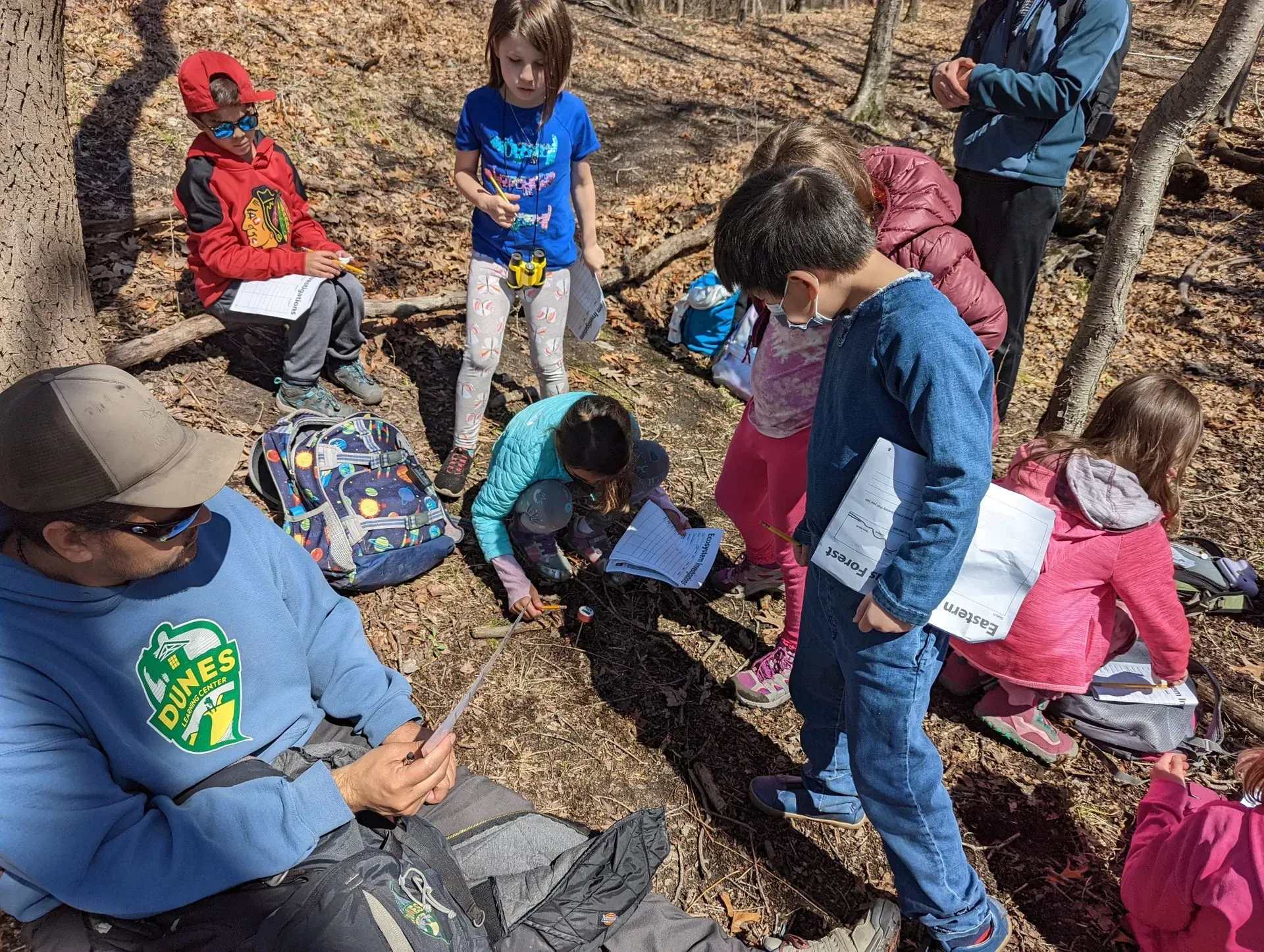
There is always a strong emphasis on simply enjoying and appreciating being out in nature. In addition, students will gain some experience using tools that conservation professionals use to evaluate the health of an ecosystem. In one of the photos, you will see the students in my field group learning to take and record the ground temperature.
The students are always excited to recognize connections between what we have learned in school and their discoveries in the field. This is one of the reasons these trips are so critical for their development. They get to see, from a young age, that what they are learning is meaningful, that it matters outside the walls of the classroom.
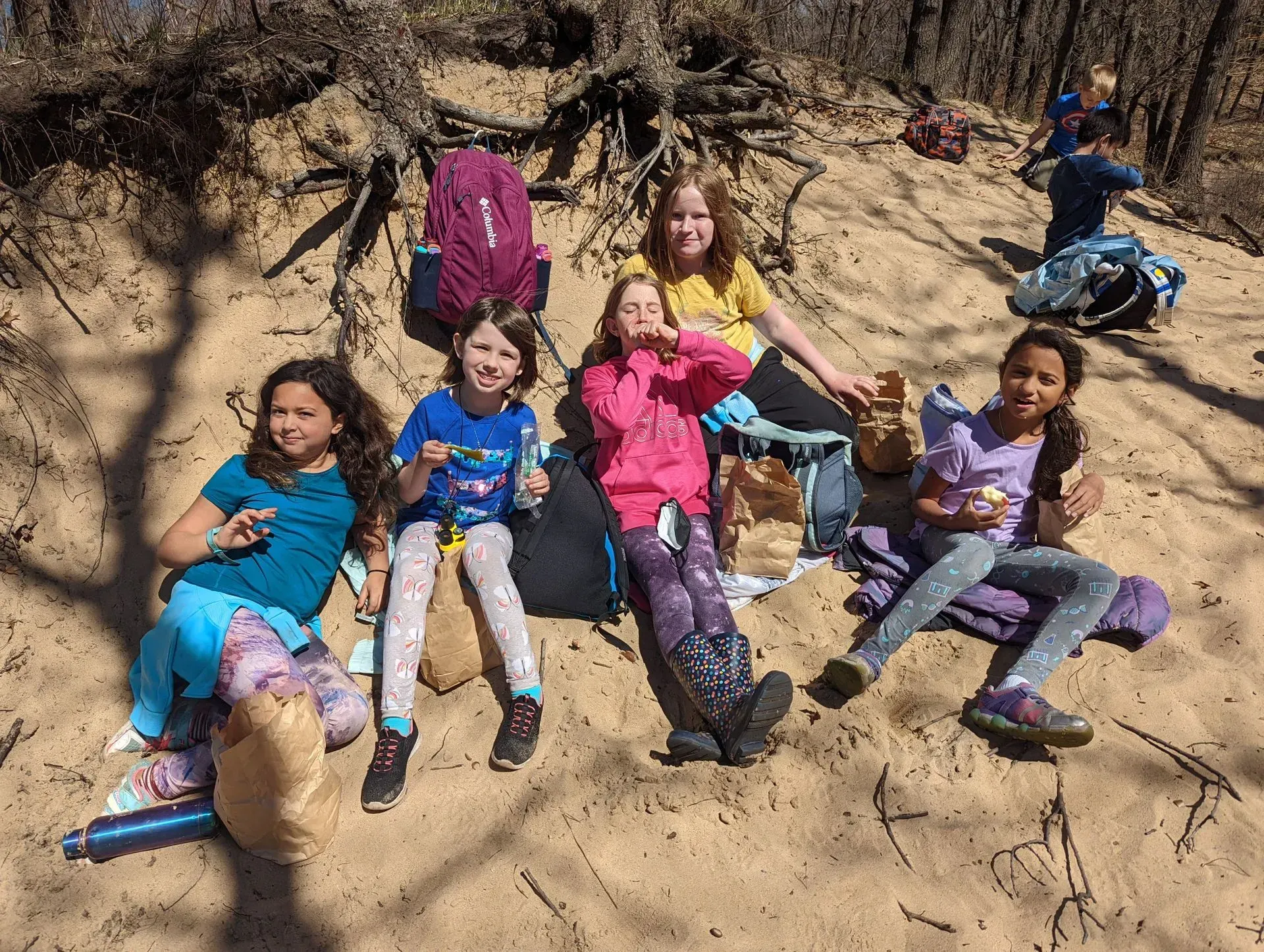
But of course, the best part of the field experience - for teachers, guides, and students alike - is stopping for lunch! We usually spend the equivalent of an entire school day exploring outside, and the guides know the best spots for lunch. This particular day, we ate on the very crest of the dune, with a view of Lake Michigan in the background. You can’t imagine how delicious an apple tastes after a full morning of walking and exploring!
What do our alumni remember about these trips?
I spoke with a few of our WMS Elementary alumni, who had the following to say about their recollections of the camping trips:
“I loved getting to go to new places with all my friends. It was fun to travel, eat and sleep with school friends.”
“I remember the older girls in my cabin on my 1st trip really helped me. Then, when I was the oldest, I knew how to help the younger girls.”
“If I had trouble sleeping, I didn’t feel scared because my friends were right there.”
“I think the camping trips, and the big school trips, are really important! Kids need time away from home to grow. Experiencing things apart from your parents is how you realize that you can do things on your own!”
To hear more about the first school trips taken with the Elementary class, please join Lower Elementary teacher Tracy Fortun for a Coffee and Community gathering on Wednesday, February 8 at 8:45 in the Multipurpose room! We hope to see you there!